
Personalizing a backpack transforms it from a generic carryall into an expression of individuality. Whether you're heading to school, commuting to work, or traveling across continents, your backpack is one of the few accessories that stays with you through every journey. But while customization adds character, improper techniques can compromise fabric integrity, void warranties, or lead to premature wear.
The key lies in choosing personalization methods that enhance appearance without sacrificing function. From patch placement to embroidery and accessory additions, there are thoughtful ways to make your bag uniquely yours—without weakening seams, fading colors, or inviting moisture damage. This guide explores proven strategies for customizing backpacks made from nylon, polyester, canvas, leather, and hybrid materials, all while preserving their structural health.
Understand Your Backpack’s Material First
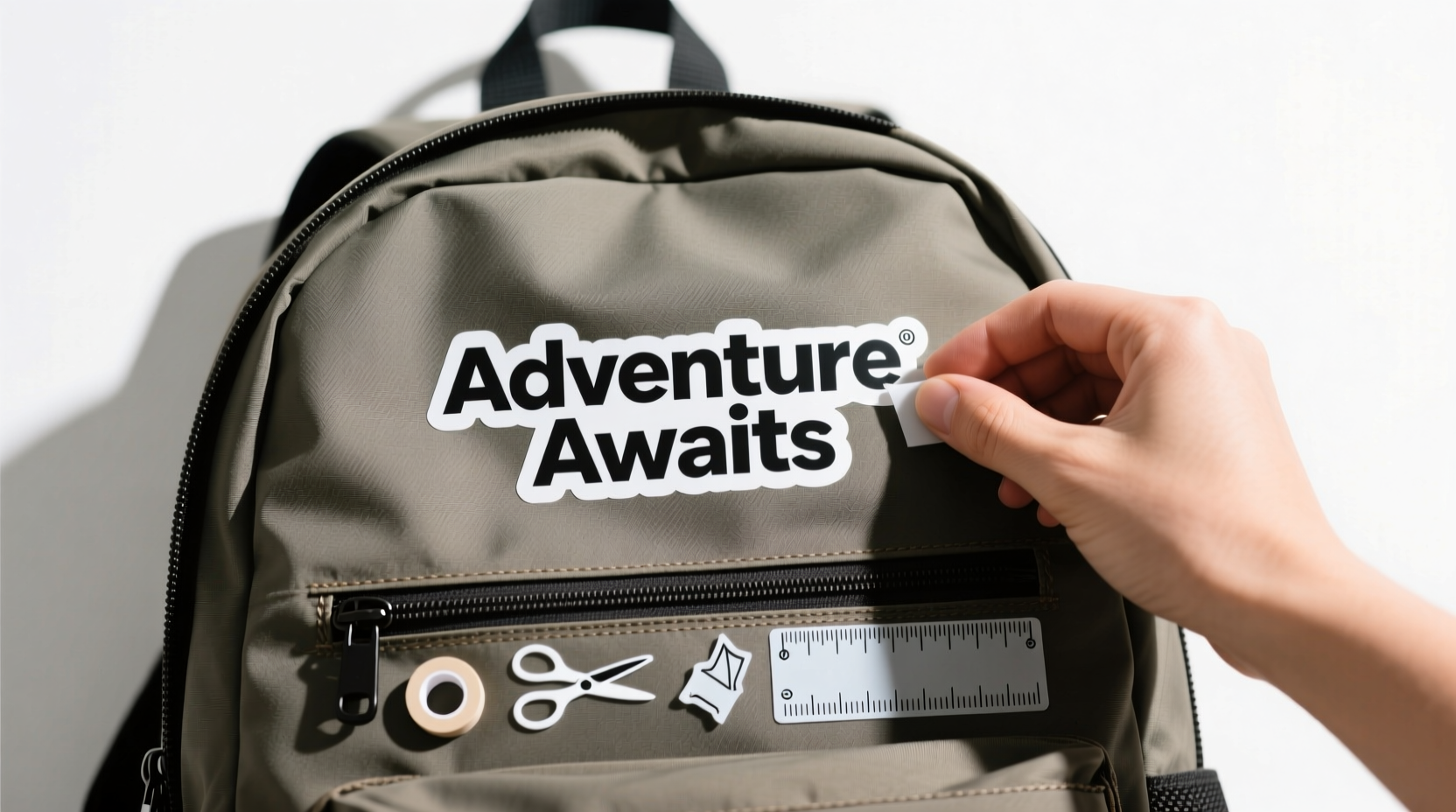
Before applying any modification, identify the primary material of your backpack. Different fabrics respond differently to adhesives, heat, needles, and solvents. Applying a vinyl sticker to waxed canvas might seem harmless, but over time, the adhesive can break down the protective coating. Similarly, iron-on patches may melt synthetic fibers like nylon if too much heat is used.
Here’s a quick reference for common backpack materials and their sensitivities:
| Material | Common Uses | Sensitivity | Safe Customization Methods |
|---|---|---|---|
| Nylon | Outdoor gear, travel packs | Heat-sensitive, prone to melting | Sew-on patches, zipper pulls, pin-free pins |
| Polyester | School bags, everyday carry | Moderate heat resistance | Iron-ons (low heat), fabric paint (water-based) |
| Canvas | Fashion backpacks, tote hybrids | Durable but sensitive to stiff coatings | Embroidery, removable clips, fabric markers |
| Leather | Luxury commuter bags | Prone to cracking with adhesives | Engraved tags, stitch detailing, non-adhesive charms |
| Recycled PET | Eco-friendly brands | Delicate weave, low heat tolerance | Non-permanent decals, detachable art sleeves |
Always check manufacturer guidelines before altering your backpack. Many premium brands explicitly warn against modifications that could affect water resistance or structural integrity. When in doubt, opt for reversible or non-invasive methods.
Safe & Stylish Personalization Techniques
There are numerous ways to express yourself without sewing through load-bearing panels or gluing down permanent designs. The most effective methods balance visibility with reversibility, allowing you to refresh your look seasonally without wear and tear.
1. Sew-On Patches Instead of Iron-Ons
While iron-on patches offer convenience, they often fail on textured or coated fabrics. More critically, the heat can degrade waterproof membranes in technical backpacks. A better alternative is sew-on patches, which provide stronger adhesion and less risk to the base material.
Use a simple running stitch with polyester thread to attach patches near the top flap or side pockets. Avoid stitching through multiple layers or stress zones like shoulder strap anchors. For those who don’t sew, many local tailors offer patch attachment for under $10.
2. Use Removable Accessories
Zipper pulls, carabiners, and tassel charms add flair without contacting the main fabric. Choose lightweight metal or silicone options that won’t scratch surfaces or add strain when the bag is packed.
- Replace standard zippers with colored or shaped pulls (e.g., stars, animals).
- Clip small eco-resin pins or enamel badges onto D-rings or external loops.
- Add interchangeable lanyards that dangle from side compartments.
These elements can be swapped out easily, letting you match your backpack to outfits or moods—without a single drop of glue.
3. Fabric Markers and Paints (With Caution)
Water-based fabric markers allow detailed drawings or lettering. Unlike permanent markers, they don’t bleed through thin linings or emit harsh fumes. To minimize stiffness:
- Place cardboard inside the panel you’re decorating to prevent bleed-through.
- Sketch your design lightly in pencil first.
- Apply even strokes and let dry completely (minimum 24 hours).
- Heat-set according to instructions—usually with a cloth-covered iron on low.
For larger artwork, consider fabric paint pens with fine tips. Avoid heavy applications that create thick, crack-prone layers. If your backpack will face rain or sweat, seal the design with a flexible, spray-on textile protector.
4. Embroidery by Hand or Machine
Custom embroidery elevates a simple pack into a bespoke piece. However, punching hundreds of needle holes can weaken tightly woven performance fabrics. Limit embroidery to durable sections like front flaps or padded back panels.
If doing it yourself, use a stabilizer sheet behind the fabric to prevent puckering. For high-tension areas, opt for freehand machine embroidery on pre-stretched fabric swatches, then sew them as appliqué patches.
“Embroidery adds personality, but over-embellishment can compromise durability—especially on outdoor gear.” — Lena Torres, Textile Designer at Outdoor Apparel Co.
Step-by-Step Guide: Adding a Custom Patch Safely
Follow this timeline to attach a decorative patch without damaging your backpack:
- Day 1 – Assess Placement: Hold the patch against different areas of the bag. Choose a flat, non-structural zone away from zippers, seams, and stress points.
- Day 1 – Prepare Tools: Gather a needle, strong thread (polyester or nylon), scissors, and pins. Thread the needle and knot the end securely.
- Day 1 – Attach Temporarily: Pin the patch in place. Check alignment from multiple angles.
- Day 2 – Stitch Carefully: Begin sewing around the edge using small, even stitches. Reinforce corners with double passes. Don’t pull too tight—keep the fabric flat, not puckered.
- Day 2 – Finish and Inspect: Knot the thread underneath and trim excess. Gently tug the patch to ensure it’s secure. Wipe clean with a damp cloth if needed.
This method ensures longevity and avoids heat exposure or chemical adhesives entirely.
Avoid These Common Mistakes
Even well-intentioned personalization can go wrong. Below are frequent errors that lead to damaged backpacks—and how to avoid them:
- Using superglue or craft glue: These create rigid bonds that crack and yellow over time. They also trap moisture, encouraging mold under patches.
- Overloading with heavy charms: Metal pendants or large pins add weight that strains straps and zippers during movement.
- Applying vinyl stickers to waterproof coatings: The adhesive interferes with DWR (durable water repellent) finishes, reducing rain protection.
- Ignoring wash care labels: Some decorated backpacks can no longer be machine-washed once altered. Always hand-clean after customization.
Real Example: Maya’s Commuter Backpack Makeover
Maya, a graphic designer in Portland, bought a sleek black polyester backpack for her daily commute. After six months, she found it indistinguishable from others on the train. Wanting to stand out—but not ruin her reliable bag—she opted for a reversible personalization plan.
Instead of painting or gluing, she ordered custom fabric patches of her favorite minimalist illustrations. She hand-stitched two small ones near the top zipper and attached a set of changeable silicone zipper pulls in neon tones. On weekends, she swapped these for earth-toned tassels.
After a year, her backpack remained fully functional, easy to wipe clean, and never showed signs of fraying. Best of all, she could refresh the look anytime without new tools or cost. Her approach proved that subtlety and reversibility don’t sacrifice style—they enhance sustainability.
Checklist: Personalize Without Damage
Before starting any customization project, run through this checklist:
- ✅ Identified the backpack’s primary material
- ✅ Checked manufacturer’s care and modification guidelines
- ✅ Selected non-invasive or reversible methods (patches, charms, clips)
- ✅ Tested adhesives, paints, or heat on a hidden area
- ✅ Avoided stress zones (straps, seams, zippers)
- ✅ Used flexible, breathable materials for attachments
- ✅ Planned for future cleaning and maintenance
Completing these steps ensures your personal touch enhances—not shortens—the life of your backpack.
Frequently Asked Questions
Can I use iron-on patches on a nylon backpack?
Not recommended. Most nylon melts at temperatures below 250°F (121°C), and standard iron settings exceed this. Even “low” heat can deform the fabric or ruin waterproof coatings. Opt for sew-on patches instead.
Will fabric paint make my backpack stiff?
It depends on the formula and application. Heavy layers of acrylic-based fabric paint can create a plastic-like feel. Use water-based markers or thin, flexible paints in moderation, and always test on a small area first.
How do I remove a glued-on patch without damaging the fabric?
Carefully slide a plastic scraper or credit card under the edge. Apply a small amount of rubbing alcohol or specialized adhesive remover to a cotton pad and dab gently—never rub aggressively. Allow it to sit for a few minutes to loosen the bond. Repeat as needed, then clean the area with mild soap and water.
Final Thoughts: Style Meets Longevity
Personalizing your backpack doesn’t require permanent changes or risky DIY experiments. By understanding your bag’s construction and choosing methods that respect its design, you can enjoy a unique look that lasts as long as the material itself. The most enduring customizations aren’t the boldest—they’re the smartest.
Think beyond stickers and sprays. Invest in quality removable accents, explore hand-stitching, and prioritize flexibility in your design choices. A well-personalized backpack reflects not just your taste, but your attention to detail and care for your belongings.




 浙公网安备
33010002000092号
浙公网安备
33010002000092号 浙B2-20120091-4
Comments
No comments yet. Why don't you start the discussion?