
Rosy-brown bulbs with soft, golden interiors—roasted garlic is one of the most transformative techniques in home cooking. What begins as sharp, pungent cloves becomes a mellow, nutty, almost buttery condiment capable of elevating mashed potatoes, salad dressings, soups, and breads. Unlike raw garlic, which can dominate a dish, roasted garlic integrates seamlessly, adding depth without heat. The process requires minimal effort, no special equipment, and only two ingredients: garlic and oil. Yet, the result is restaurant-quality flavor that impresses both novice cooks and seasoned chefs. This guide details every aspect of oven-roasted garlic—from selecting the right bulb to storing leftovers—so you can master this foundational technique with confidence.
Definition & Overview
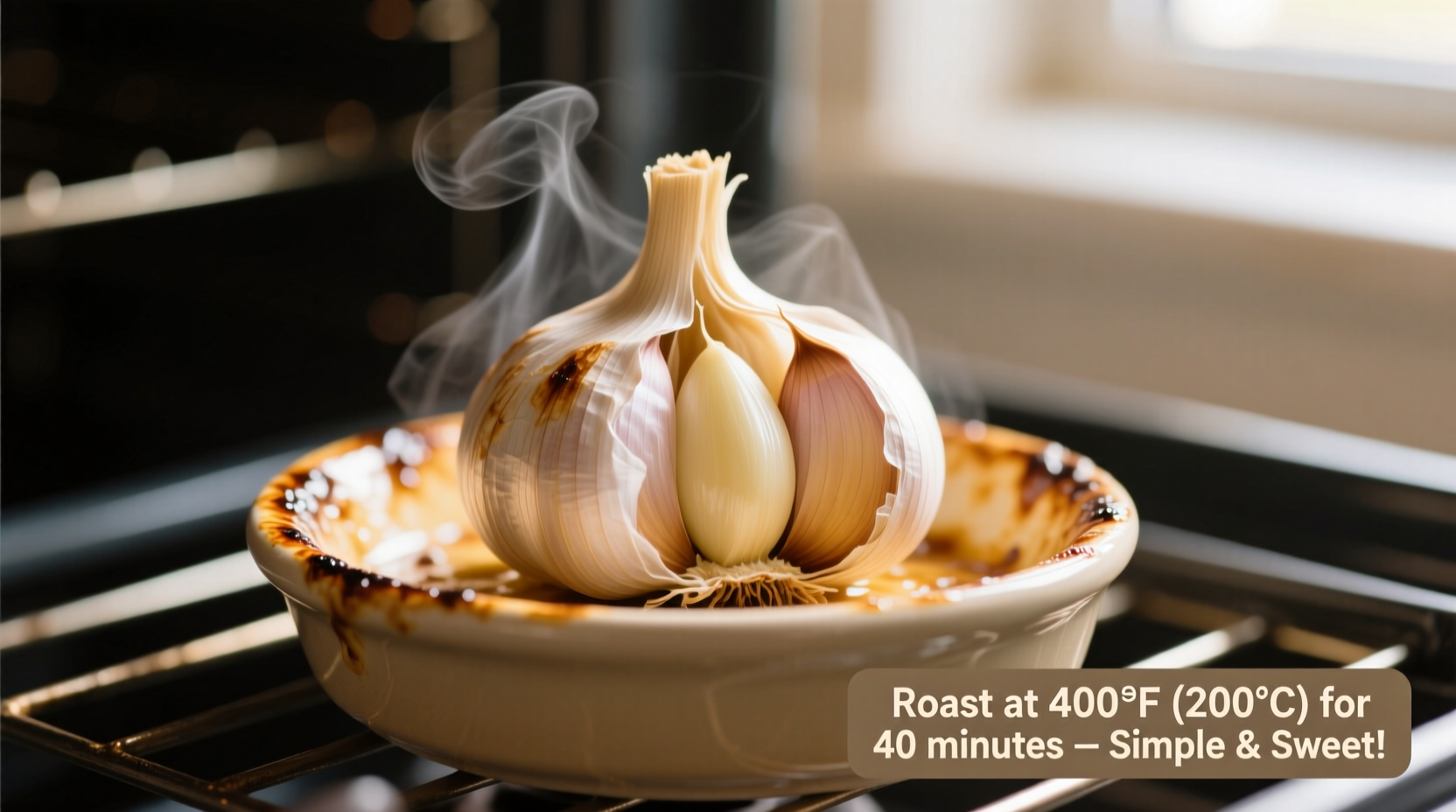
Roasting garlic refers to the slow baking of whole garlic bulbs in their skins, typically drizzled with oil and sometimes wrapped in foil or parchment. The low, prolonged heat breaks down alliin and allicin—the sulfur-containing compounds responsible for garlic’s bite—converting them into sweet, caramelized flavors through Maillard reactions and enzymatic browning. The outcome is soft, spreadable cloves that can be squeezed from their papery husks and used as a base, accent, or standalone ingredient.
This method differs significantly from sautéing minced garlic, which delivers quick flavor but risks burning and bitterness if not monitored closely. Roasting preserves moisture, enhances complexity, and eliminates harshness. It has roots in Mediterranean and Middle Eastern cuisines, where slow-cooked alliums form the backbone of dips like toum and muhammara. Today, it's a staple in modern American kitchens, often served alongside cheese boards or folded into compound butters.
Key Characteristics of Roasted Garlic
Understanding what happens chemically and sensorially during roasting helps explain its culinary value. Below are the defining traits of properly roasted garlic:
| Characteristic | Description |
|---|---|
| Flavor | Sweet, nutty, umami-rich; absence of sharpness or heat. Resembles roasted onions or shallots with a subtle earthiness. |
| Aroma | Warm, toasted, slightly smoky. Less volatile than raw garlic; fills kitchen gently without overpowering. |
| Color | Golden brown to deep amber. Outer layers darken slightly; inner cloves turn uniformly creamy. |
| Texture | Soft, paste-like, easily mashed. Individual cloves lose structural integrity and can be extruded with light pressure. |
| Heat Level | None. All pungency dissipates during roasting due to thermal degradation of allicin. |
| Culinary Function | Flavor base, thickener, emulsifier, condiment. Adds richness without spiciness. |
| Shelf Life (Refrigerated) | Up to 10 days in an airtight container. Can be frozen for up to 3 months. |
Practical Usage: How to Use Roasted Garlic in Cooking
The versatility of roasted garlic lies in its ability to blend invisibly into dishes while amplifying savoriness. Because it lacks bite, it can be used generously where raw garlic would overwhelm.
Home Cooking Applications
- Mashed Potatoes: Stir 4–6 roasted cloves per pound of potatoes for a silkier texture and deeper flavor.
- Pasta Sauces: Blend into tomato sauce, Alfredo, or olive oil-based aglio e olio for rounded depth.
- Spreads & Dips: Mix with cream cheese, goat cheese, or hummus. Serve on crackers or crostini.
- Vinaigrettes: Emulsify with mustard, vinegar, and olive oil. One clove replaces raw garlic entirely.
- Marinades: Combine with herbs, lemon juice, and oil for chicken, lamb, or mushrooms.
- Bread: Spread on baguettes, mix into focaccia dough, or swirl into garlic knots.
Professional Kitchen Uses
In fine dining, roasted garlic functions as a stealth ingredient—present but undetectable in form. Chefs use it to:
- Build flavor bases without the need for sweating aromatics.
- Thicken puréed soups naturally (e.g., cauliflower or white bean).
- Create luxurious compound butters for finishing steaks or fish.
- Add complexity to vegetarian terrines or grain pilafs.
Pairing Suggestions and Ratios
As a rule of thumb, substitute **1 roasted clove for ½ raw clove** when adjusting recipes. However, because roasted garlic doesn’t \"cook off,\" it contributes volume. Consider these pairings:
Tip: For maximum impact, combine roasted garlic with acidic elements like lemon zest, red wine vinegar, or aged balsamic. The brightness balances the sweetness and prevents flatness.
- Dairy: Cream cheese, ricotta, mascarpone, feta.
- Oils: Extra virgin olive oil, walnut oil, truffle oil.
- Herbs: Rosemary, thyme, sage, parsley.
- Vegetables: Mushrooms, spinach, eggplant, carrots, squash.
- Proteins: Chicken thighs, pork tenderloin, salmon, lentils.
Step-by-Step Roasting Method
This method yields consistent results using common kitchen tools. No peeling required.
- Select fresh bulbs: Choose firm, plump garlic heads with tight, unbroken skin. Avoid sprouting or soft spots.
- Preheat oven: Set to 400°F (200°C). This temperature ensures even caramelization without drying. <3> Trim the top: Place each bulb on a cutting board. Using a sharp knife, slice ¼ inch off the top (the pointed end) to expose the individual cloves.
- Drizzle with oil: Lay the bulbs on a sheet of aluminum foil or parchment. Drizzle 1–2 teaspoons of olive oil over each, letting it seep into the exposed cloves. A neutral oil like avocado works too.
- Add seasoning (optional): Sprinkle with salt, freshly ground black pepper, or a few drops of water to prevent scorching. Some add a sprig of rosemary or thyme.
- Wrap and seal: Fold the foil around the bulbs to create a sealed packet. Alternatively, place in a small oven-safe dish covered with parchment.
- Roast: Bake for 35–45 minutes. Cloves are done when deeply golden, soft to the touch, and easily pierced with a skewer.
- Cool and extract: Let rest for 10 minutes. Squeeze the base of each clove to push out the softened pulp.
For larger batches, double the recipe—garlic keeps well and can be prepped ahead. Roasting multiple bulbs at once saves energy and time.
Variants & Types of Roasted Garlic Preparation
While oven roasting is standard, variations exist based on equipment, time, and desired outcome.
1. Whole Bulb Roasting (Standard Method)
The most common approach. Preserves structure, ideal for serving whole or extracting cloves later. Best for spreads and garnishes.
2. Individual Clove Roasting
Peel cloves first, toss with oil, and spread on a tray. Roast at 375°F for 20–25 minutes. Produces drier, slightly crisp edges—excellent for salads or pasta toppings.
3. Convection Roasting
Use convection setting at 375°F for faster, more even browning. Reduces time by 5–10 minutes and intensifies flavor concentration.
4. Slow Roasting (Low & Long)
Bake at 300°F for 60–75 minutes. Results in ultra-soft, custard-like texture with delicate sweetness. Ideal for blending into soups or infant food.
5. Grill Roasting
Wrap in foil and place over indirect heat on a barbecue. Imparts a faint smokiness. Great for summer cooking or outdoor meals.
6. Air Fryer Method
Place trimmed bulb in basket, drizzle with oil, and cook at 370°F for 25–30 minutes. Faster and more energy-efficient, though less uniform than oven.
| Method | Time | Best For | Texture |
|---|---|---|---|
| Oven (Whole Bulb) | 35–45 min | General use, storage | Creamy, spreadable |
| Individual Cloves | 20–25 min | Salads, toppings | Tender-crisp |
| Slow Roast | 60–75 min | Soups, purees | Ultra-soft, custard-like |
| Air Fryer | 25–30 min | Quick batches | Evenly soft |
| Grill | 40–50 min | Smoky flavor profiles | Charred edges, soft center |
Comparison with Similar Ingredients
Garlic appears in many forms, each suited to different applications. Understanding distinctions prevents misuse.
| Ingredient | Flavor Profile | Best Used In | Substitution Note |
|---|---|---|---|
| Raw Garlic | Pungent, spicy, sharp | Salsas, stir-fries, marinades (short exposure) | Not interchangeable with roasted; will add heat and raw bite. |
| Minced/Sautéed Garlic | Toasty, aromatic, moderate heat | Sauces, sautés, omelets | Loses potency quickly; roasted offers longer-lasting depth. |
| Black Garlic | Sweet, molasses-like, fermented | Garnishes, Asian fusion, desserts | Fermented, not roasted; distinct chemistry and appearance. |
| Garlic Powder | Concentrated, dry, earthy | Dry rubs, spice blends, soups | Use ⅛ tsp powder = 1 clove raw. Not suitable replacement for roasted. |
| Roasted Garlic | Sweet, nutty, zero heat | Spreads, mashed dishes, emulsions | Ideal for adding body and savoriness without sharpness. |
\"Roasted garlic is the secret weapon of smart cooks. It adds dimension without confrontation. Once you start using it, you’ll wonder how you ever made vinaigrettes or mashed potatoes without it.\" — Chef Elena Torres, Culinary Instructor, San Francisco Cooking School
Practical Tips & FAQs
How do I know when garlic is fully roasted?
The cloves should yield completely to gentle pressure. When pierced with a toothpick, there should be no resistance. The top will appear golden brown, and the aroma will be warm and nutty, not acrid.
Can I roast garlic ahead of time?
Yes. Roasted garlic can be refrigerated for up to 10 days in a sealed container. For longer storage, freeze whole cloves in ice cube trays with olive oil—each cube equals one serving.
Is it necessary to wrap garlic in foil?
Foil helps retain moisture and promotes steaming, which softens cloves evenly. Parchment paper works but may dry the exterior slightly. Unwrapped roasting risks charring and uneven doneness.
Can I use other oils besides olive oil?
Yes. Avocado, grapeseed, or sunflower oil work well and have higher smoke points. Avoid butter—it browns too quickly at roasting temperatures.
What if my garlic tastes bitter?
Bitterness indicates over-roasting or burning. Reduce temperature next time or shorten duration. Also ensure oil fully coats cloves to prevent drying.
Can I eat roasted garlic skins?
No. The papery outer layers are fibrous and indigestible. Only consume the soft inner flesh, which easily separates from the skin after roasting.
Does roasting reduce garlic’s health benefits?
Some studies suggest heat diminishes allicin, the compound linked to antimicrobial effects. However, roasted garlic retains antioxidants, selenium, and anti-inflammatory properties. Its improved digestibility makes it accessible to those sensitive to raw garlic.
How many cloves are in a typical bulb?
An average supermarket garlic head contains 10–14 cloves. Larger gourmet varieties may have up to 20. Count before trimming if precise measurements are needed.
Pro Tip: Save leftover roasted garlic oil. It’s infused with flavor and perfect for drizzling over vegetables, pizza, or grains. Store in the fridge for up to one week to prevent botulism risk.
Summary & Key Takeaways
Roasting garlic in the oven is a foundational skill that transforms a common ingredient into a gourmet asset. By applying dry heat slowly, cooks convert sharp, sulfurous cloves into a sweet, creamy flavor base suitable for countless dishes. The method is forgiving, scalable, and requires only garlic, oil, and time.
Key advantages include:
- Elimination of pungency while enhancing umami and sweetness.
- Effortless preparation with minimal cleanup.
- Extended shelf life and freezing compatibility.
- Versatility across cuisines and applications—from rustic to refined.
Whether you're building a complex sauce or simply upgrading toast, roasted garlic delivers professional results with home-kitchen simplicity. Master this technique, keep a batch in the refrigerator, and discover how one humble bulb can redefine your cooking.
Try roasting two bulbs this week—one to use immediately, one to freeze. Notice how it changes your perception of garlic’s potential. Then experiment: fold it into scrambled eggs, whisk it into mayo, or blend it into a roasted vegetable soup. The possibilities are limited only by imagination.




 浙公网安备
33010002000092号
浙公网安备
33010002000092号 浙B2-20120091-4
Comments
No comments yet. Why don't you start the discussion?