
Running with flat feet doesn’t mean you’re destined for discomfort or injury—but wearing the wrong shoes certainly can be. Without a natural arch to absorb impact and guide foot motion, flat-footed runners are more prone to overpronation, plantar fasciitis, and shin splints. The good news? You don’t need a podiatrist appointment or gait analysis lab to find supportive, comfortable running shoes. With the right knowledge, you can confidently choose footwear that stabilizes your stride, cushions your joints, and keeps you moving mile after mile.
This guide breaks down exactly what to look for in a running shoe when you have flat feet, how to test options at home, and which features matter most—all without stepping into a specialty store for a fitting.
Understanding Flat Feet and Running Mechanics
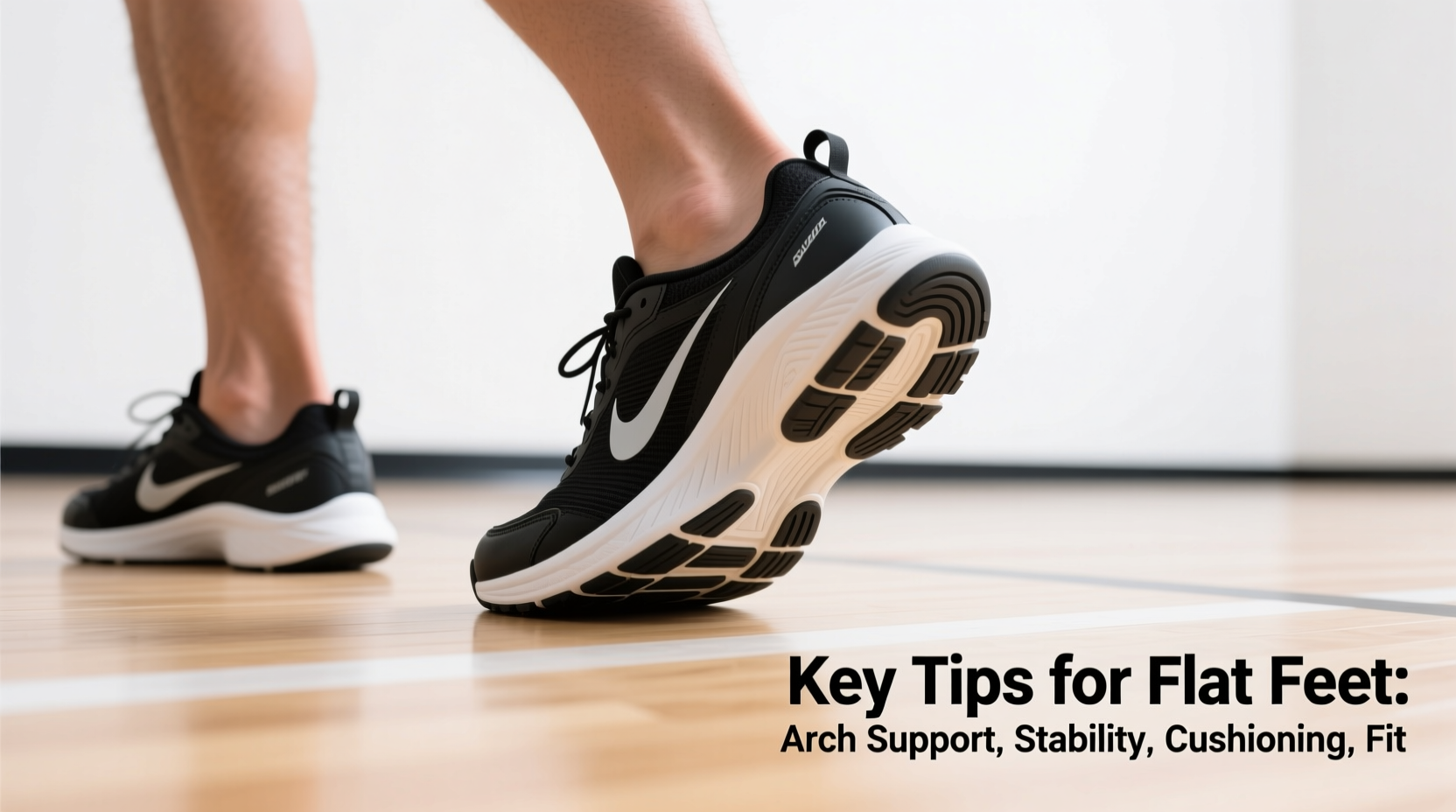
Flat feet, or pes planus, occur when the arches of the feet collapse completely or partially upon standing. This lack of elevation changes how force travels through the lower body during movement. In a neutral foot, the arch acts like a spring, distributing impact and guiding a smooth roll from heel to toe. In flat feet, that mechanism is compromised.
As a result, many flat-footed runners experience overpronation—the inward rolling of the foot and ankle after heel strike. While some degree of pronation is normal, excessive motion strains tendons, misaligns knees, and increases injury risk. That’s why stability and motion control are non-negotiables in your shoe selection.
It’s important to distinguish between flexible and rigid flat feet. Flexible flat feet show an arch when sitting or standing on tiptoes but collapse under weight. Rigid flat feet remain flat regardless of position and may stem from structural issues. Most adult flat feet are flexible, and these respond well to proper footwear.
“Even without professional fitting, runners with flat feet can make excellent shoe choices by focusing on structured midsoles, firm medial support, and heel counters that lock the rearfoot.” — Dr. Lena Torres, Sports Podiatrist
Key Shoe Features for Flat Feet
When shopping online or in-store without expert help, focus on specific structural elements that compensate for low or absent arches. These components do the work your foot can’t do naturally.
1. Motion Control or Stability Design
Shoes labeled “stability” or “motion control” are engineered to reduce overpronation. They typically feature:
- Dual-density midsoles (firmer foam on the inner side)
- Rigid heel counters (hard plastic cups around the back of the heel)
- Medial posts (dense material along the inner arch to resist inward roll)
Stability shoes are ideal for mild to moderate overpronation. Motion control models offer even greater restriction and are best for severe overpronators or heavier runners.
2. Firm Midsole Cushioning
Soft, plush midsoles may feel luxurious but often lack the support flat feet need. A firmer EVA or polyurethane foam provides better resistance to compression, maintaining shape and alignment over time. Look for terms like “supportive cushioning” rather than “cloud-like softness.”
3. Structured Arch Support
While custom orthotics exist, many flat-footed runners benefit from built-in arch support. Some shoes include molded arches that mimic the contour of a neutral foot. Others accommodate aftermarket insoles—check if the removable insole allows space for a supportive replacement.
4. Heel Counter Rigidity
A strong heel counter prevents the rearfoot from wobbling inward. To test this, squeeze the back of the shoe with your fingers. If it compresses easily, it won’t stabilize your ankle. A quality heel cup should resist pressure and feel solid.
5. Wide Base and Straight Last
The “last” refers to the shape of the shoe’s sole. Curved lasts suit high-arched, supinated feet. Flat feet perform better in shoes with a straight or semi-straight last, which promotes balanced weight distribution and reduces inward tilt.
Step-by-Step Guide to Choosing Shoes at Home
You don’t need a treadmill gait analysis to make a smart decision. Follow this five-step process to evaluate and select running shoes independently.
- Trace Your Foot: Stand barefoot on a piece of paper, trace the outline, and compare it to standard foot shape guides. Flat feet will show minimal inward curve along the inside. This confirms your foot type before shopping.
- Research Stability Models: Focus on brands known for structured support—Brooks (Adrenaline GTS, Beast), ASICS (Gel-Kayano, GT-2000), Saucony (Hurricane, Triumph ISO), and New Balance (860v13, 1260v13). Read user reviews specifically from flat-footed runners.
- Check Online Return Policies: Buy from retailers with generous return windows (30–60 days) and no restocking fees. Many allow trial runs, so you can test shoes on pavement before committing.
- Perform the Twist and Bend Tests:
- Twist Test: Hold the heel and forefoot and twist in opposite directions. A stable shoe resists twisting—critical for controlling overpronation.
- Bend Test: Shoes should only bend at the toes, not the midfoot. Bending in the middle compromises arch support.
- Test Run on Varied Surfaces: Run on both hard pavement and softer trails or tracks. Pay attention to any inward ankle roll, arch fatigue, or heel slippage. Discomfort within the first mile is a red flag.
Do’s and Don’ts When Buying for Flat Feet
| Do’s | Don’ts |
|---|---|
| Choose shoes labeled \"stability\" or \"motion control\" | Buy neutral-cushioned shoes marketed for speed or racing |
| Look for a firm, structured midsole | Prioritize softness over support |
| Select a roomy toe box if you have wide feet | Size down for a snug fit—this can increase pressure on flat arches |
| Replace shoes every 300–500 miles | Keep using shoes past their prime; worn midsoles lose support |
| Try shoes late in the day when feet are slightly swollen | Shop first thing in the morning with shrunken feet |
Real Runner’s Experience: From Pain to Performance
Mark, a 38-year-old recreational runner from Denver, struggled with persistent knee pain after starting a half-marathon training plan. He had never been fitted for shoes and assumed all running shoes were equal. After months of discomfort, he researched his symptoms and realized he had flat feet and likely overpronated.
He switched from a lightweight neutral shoe to the Brooks Adrenaline GTS 22—a stability model with a DNA Loft midsole and GuideRails support system. Within two weeks of consistent use, his knee pain diminished. “I didn’t realize how much my ankles were collapsing until I wore a shoe that actually held them in place,” he said. “Now I run longer and recover faster.”
Mark now checks the twist resistance and heel counter firmness of every shoe he considers. He also rotates two pairs—one stability, one motion control—to extend shoe life and vary support.
Essential Checklist Before You Buy
Before finalizing your purchase, go through this checklist to ensure the shoe meets the needs of flat feet:
- ✅ Labeled as “stability” or “motion control”
- ✅ Firm medial post or dual-density midsole visible on the inner side
- ✅ Rigid heel counter (doesn’t compress when squeezed)
- ✅ Straight or semi-straight last (check product specs or images)
- ✅ Room for your toes (at least a thumb’s width from longest toe to end)
- ✅ Removable insole (allows for orthotic substitution if needed)
- ✅ Positive reviews from other flat-footed runners
- ✅ Generous return policy allowing test runs
Frequently Asked Questions
Can I use orthotics with running shoes for flat feet?
Yes—and many flat-footed runners benefit from combining supportive shoes with custom or over-the-counter orthotics. If you choose a shoe with a removable insole, you can replace it with a medical-grade insert. Just ensure the shoe still fits comfortably with the added height.
Are minimalist shoes suitable for flat feet?
Generally, no. Minimalist shoes lack the structured support required to manage overpronation. They encourage natural foot motion, which can exacerbate instability in flat-footed runners. Stick to stability-focused models unless advised otherwise by a healthcare provider.
How often should I replace my running shoes if I have flat feet?
Every 300–500 miles, or about every 6 months with regular use. Flat-footed runners may wear out the inner side of the sole faster due to overpronation. Check for uneven tread wear and loss of midsole bounce. Worn shoes increase injury risk significantly.
Final Tips for Long-Term Comfort and Performance
Finding the right running shoe for flat feet isn’t about luck—it’s about knowing what structural features protect your biomechanics. Prioritize stability over style, support over speed, and durability over trendiness. The most expensive shoe isn’t always the best, but the most supportive one for your foot type is.
Don’t hesitate to try multiple models. Brands vary in fit, and even within a line, sizing can differ. Use online retailers that allow real-world testing. Rotate between two pairs to prolong midsole integrity and reduce repetitive stress.
Finally, listen to your body. Knee pain, arch strain, or heel soreness aren’t just part of running—they’re signals. The right shoe won’t eliminate all fatigue, but it should prevent pain caused by poor alignment.




 浙公网安备
33010002000092号
浙公网安备
33010002000092号 浙B2-20120091-4
Comments
No comments yet. Why don't you start the discussion?