
Potty training is one of the most significant developmental milestones in early childhood, yet it can also be one of the most frustrating—especially when your toddler resists at every turn. For parents facing a particularly stubborn child, the process can feel like an uphill battle filled with power struggles, accidents, and mounting stress. But resistance doesn’t mean failure. With patience, empathy, and consistency, even the most reluctant toddlers can successfully transition from diapers to the potty.
The key lies not in forcing compliance but in creating an environment where the child feels safe, supported, and motivated to participate. Gentle, consistent methods prioritize emotional readiness over rigid timelines, reduce anxiety, and foster long-term success. This guide explores practical strategies rooted in child development principles to help you navigate potty training with confidence—even when your toddler digs in their heels.
Understanding Toddler Resistance
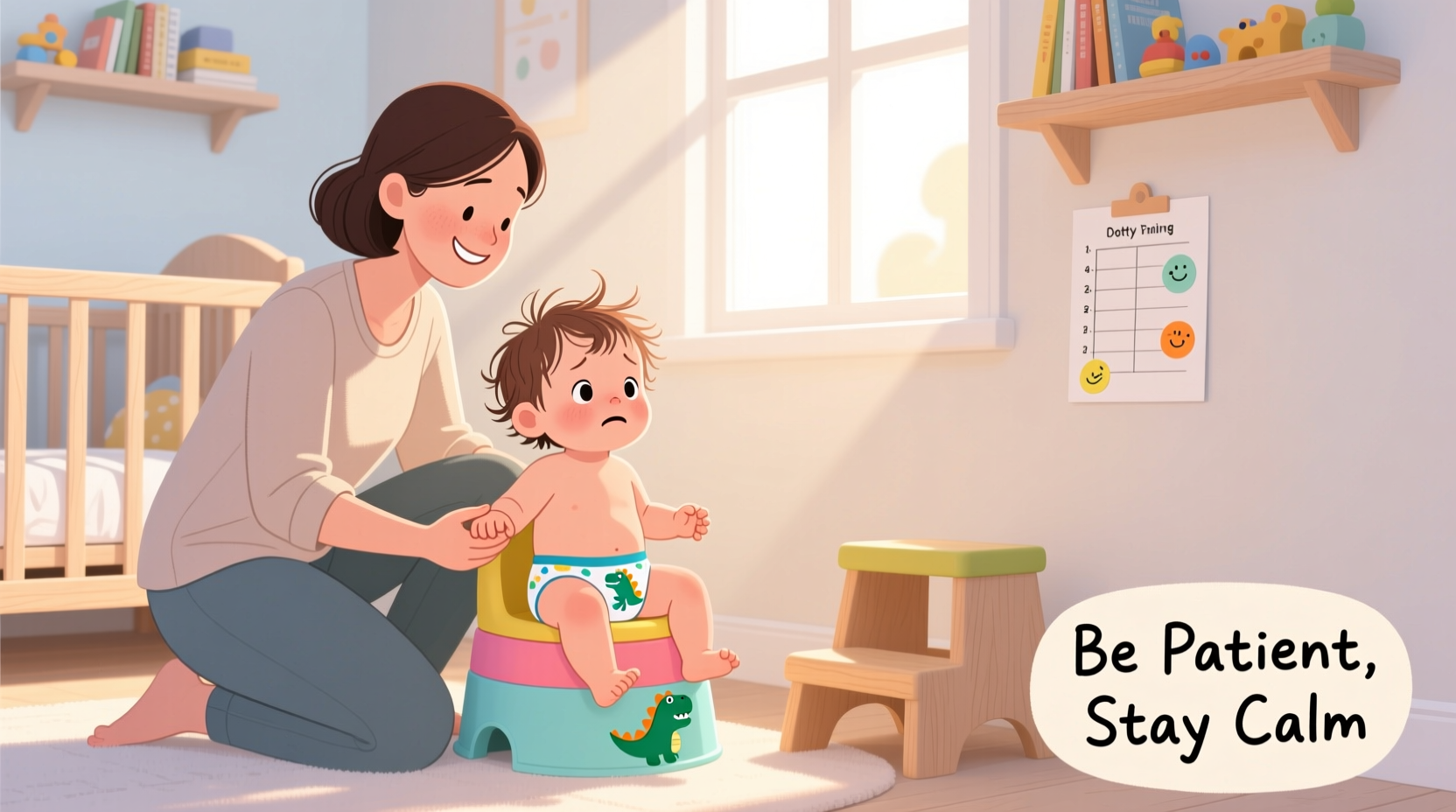
Stubbornness during potty training is rarely about defiance. More often, it reflects fear, discomfort, or a lack of readiness. Toddlers are developing autonomy and may perceive potty training as a threat to their control. Others may be sensitive to sensory input—the sound of flushing, the cold seat, or the unfamiliar sensation of peeing into a bowl instead of a diaper.
Dr. Laura Markham, clinical psychologist and founder of Aha! Parenting, emphasizes:
“Children cooperate when they feel connected. Pushing too hard breaks that connection and triggers resistance. The goal isn’t compliance—it’s collaboration.” — Dr. Laura Markham
Recognizing the root cause of resistance allows you to respond with compassion rather than frustration. Common reasons for pushback include:
- Fear of falling into the toilet
- Discomfort with sitting still
- Lack of awareness of bodily signals
- Desire to assert independence
- Previous negative experiences (e.g., being rushed or scolded)
Foundations of Gentle Potty Training
Gentle potty training is built on three pillars: observation, invitation, and consistency. Unlike traditional approaches that rely on rewards or punishment, this method nurtures intrinsic motivation by aligning with the child’s natural rhythms and emotional needs.
Observation begins weeks before introducing the potty. Watch for signs of readiness such as staying dry for two hours, showing interest in the bathroom, or communicating when they’re about to go. These cues indicate neurological and physical preparedness—not just age-based expectations.
Invitation means making the potty available without demands. Place a child-sized potty in a familiar room, let them sit with clothes on, and model its use calmly. Narrate your own bathroom trips: “I’m going to pee now. I’ll sit on the potty and push out.” Children learn through imitation, especially when no performance is expected.
Consistency involves predictable routines and calm responses to setbacks. Accidents are not failures—they’re part of learning. Responding with neutrality (“Oops! Let’s clean up together”) reinforces safety and reduces shame.
Creating a Supportive Environment
A supportive setup removes common barriers to success. Consider these adjustments:
- Use a floor-standing potty instead of an insert—many toddlers fear falling into a large toilet.
- Add a small step stool so feet can rest comfortably, improving pelvic alignment for easier elimination.
- Keep favorite books or toys near the potty for distraction during longer sits.
- Dress your child in easy-to-remove clothing (elastic waists, no snaps or buttons).
Step-by-Step Guide to Gentle Potty Training
Transitioning from diapers to independent toileting takes time. Follow this phased approach to maintain momentum without pressure:
- Preparation Phase (1–2 weeks): Introduce the potty as a neutral object. Let your child touch, decorate, or sit on it fully clothed. Read potty-themed books like “Potty” by Leslie Patricelli.
- Observation & Timing (Ongoing): Note when your child typically urinates or has a bowel movement. Gently suggest a potty visit 15–20 minutes before that time.
- Practice Sits (Weeks 2–4): Encourage short, relaxed sits after meals or naps. No expectation to “go.” Use phrases like, “Let’s see if your body wants to pee today.”
- Diaper-Free Time (Weeks 3+): Schedule supervised bare-bottom play at home. This helps children recognize wetness and connect it to bladder release.
- Transition to Underwear (When Ready): Switch to training pants only after frequent dry periods. Avoid pull-ups during the day—they feel too much like diapers and delay awareness.
- Independence Building (Ongoing): Teach handwashing, pulling pants up/down, and asking for help. Celebrate effort, not outcomes.
This timeline varies widely. Some children progress in weeks; others take months. The critical factor is emotional security, not speed.
Do’s and Don’ts of Responding to Resistance
How you respond to refusal shapes your child’s willingness to try again. Use this table to guide your reactions:
| Do | Don’t |
|---|---|
| Stay calm and empathetic: “I know it’s hard to sit right now.” | Force or bribe: “If you don’t pee, no story tonight.” |
| Offer choices: “Would you like the red or blue potty?” | Use shaming language: “Big kids don’t wear diapers.” |
| Celebrate attempts: “You sat so nicely!” | Reward only successes: Extrinsic rewards undermine internal motivation. |
| Model behavior: Let them watch you use the toilet. | Compare to siblings or peers: “Your cousin was potty trained at two.” |
| Pause and reassess if stress escalates. | Double down during meltdowns. Take a break if needed. |
Mini Case Study: Overcoming Fear of Flushing
Sophie, age 2.5, would run from the bathroom whenever her parents tried to introduce the potty. She’d been startled by a loud flush months earlier and associated toilets with fear. Her parents stopped pushing and instead placed a small potty in her playroom. They let her sit on it with her doll, pretending the doll was peeing. After two weeks, Sophie began sitting on it herself—fully clothed at first, then in just a t-shirt.
They avoided flushing entirely for a month. When Sophie showed curiosity, they flushed while she stood outside the bathroom, gradually moving closer. Within six weeks, she used the potty independently and requested the big toilet with a special seat reducer. The breakthrough came not from repetition, but from rebuilding trust.
Checklist: Setting Yourself Up for Success
Before beginning or restarting potty training, ensure your home and mindset are aligned:
- ✅ Choose a low-stress period (not during travel, illness, or major transitions)
- ✅ Stock up on easy-to-wash clothes and extra underwear
- ✅ Install a potty in a quiet, accessible location
- ✅ Prepare cleaning supplies (odor-neutralizing spray, wipes, laundry detergent)
- ✅ Align caregivers on language and approach (no mixed messages)
- ✅ Set realistic expectations (expect 3–6 months for full daytime training)
- ✅ Practice patience—your calm demeanor sets the tone
FAQ: Common Concerns About Stubborn Toddlers
What if my child refuses to sit on the potty at all?
Respect their boundaries. Try placing the potty in a different room or letting them decorate it. Focus on building familiarity without pressure. Some children need weeks of observation before attempting to sit. Continue modeling and narrating your own bathroom use.
Is it okay to wait if my toddler isn’t cooperating?
Yes. If resistance is strong, pause for 2–6 weeks and revisit when your child shows new interest. Forced training can lead to withholding, constipation, or prolonged setbacks. Developmental readiness cannot be rushed.
My child uses the potty at home but refuses at daycare. What should I do?
Different environments trigger different anxieties. Work with caregivers to create a consistent routine. Bring a familiar potty or seat cover. Avoid pressuring your child to perform. Many kids master home training first and generalize it later.
Final Thoughts: Progress Over Perfection
Potty training a stubborn toddler isn’t about winning a battle—it’s about guiding a nervous learner through a complex skill. Every child develops at their own pace, and emotional readiness matters more than chronological age. Gentle, consistent methods honor your child’s individuality while providing the structure they need to succeed.
Success isn’t measured by the absence of diapers, but by the presence of cooperation, reduced anxiety, and growing self-awareness. Celebrate small victories: a voluntary sit, a verbal cue, a dry nap. These moments build confidence far more effectively than stickers or praise ever could.
“The best potty training programs aren’t about teaching the potty—they’re about understanding the child.” — Dr. Tanya Altmann, pediatrician and author of “Calm, Cool, and Connected”




 浙公网安备
33010002000092号
浙公网安备
33010002000092号 浙B2-20120091-4
Comments
No comments yet. Why don't you start the discussion?