
Tomato paste is one of the most concentrated forms of tomato available in the pantry, offering deep umami richness and intense color. When used correctly, it serves as an exceptional foundation for creating a robust, restaurant-quality tomato sauce in minutes. Unlike sauces made from fresh or canned tomatoes that require long simmering to reduce and concentrate flavor, tomato paste allows cooks to build complexity quickly by reconstituting and layering ingredients. Whether you're making pasta sauce, pizza base, braising liquid, or stew enhancer, understanding how to transform this thick, shelf-stable ingredient into a velvety, balanced sauce is a fundamental skill in modern cooking.
Definition & Overview
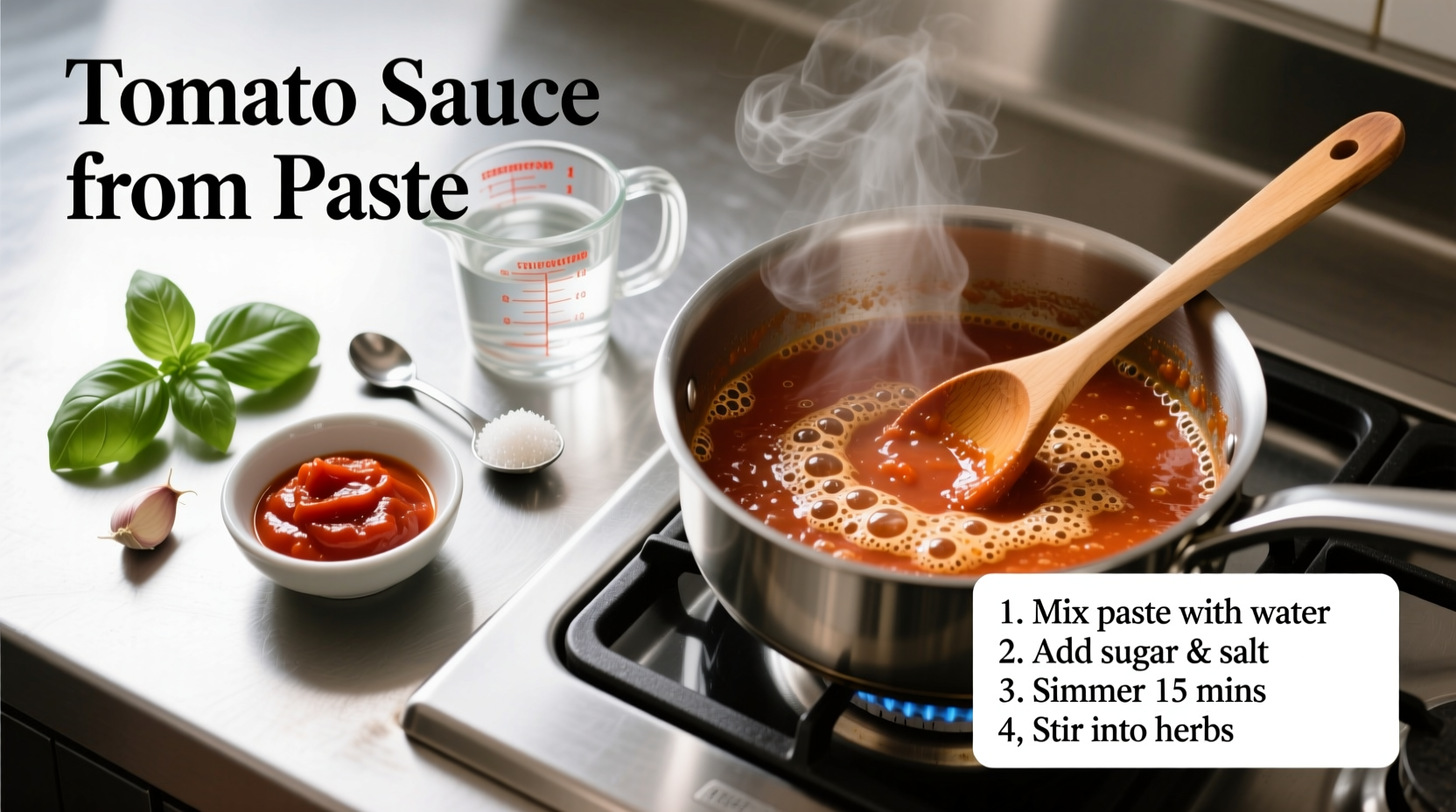
Tomato sauce made from tomato paste refers to a culinary preparation derived by diluting and enhancing concentrated tomato paste with liquids and aromatics to produce a smooth, savory sauce. This method differs significantly from traditional tomato sauces made by simmering whole or crushed tomatoes over extended periods. Instead, it leverages the potency of tomato paste—a product created through prolonged cooking and reduction of tomatoes until nearly all water content is removed—to deliver bold flavor efficiently.
The process hinges on rehydration and amplification: adding moisture back into the paste while simultaneously building depth through sautéed vegetables (commonly onions, garlic, carrots), herbs, fats (like olive oil or butter), and seasonings. The result is a versatile sauce suitable for pairing with pasta, spreading on flatbreads, enriching soups, or serving as a braising medium for meats and legumes.
This technique originated out of necessity in mid-20th century kitchens where shelf-stable ingredients were prioritized, especially in regions with limited access to fresh produce year-round. Today, it remains widely used in both domestic and professional settings due to its speed, reliability, and consistent results.
Key Characteristics
- Flavor Profile: Deeply savory, slightly sweet, tangy, with pronounced umami; intensified when cooked properly.
- Aroma: Rich, roasted tomato scent, especially after blooming in fat.
- Color: Deep red to brick-orange, depending on brand and concentration level.
- Texture: Thick and dense in paste form; transforms into a smooth, pourable consistency when diluted and simmered.
- Culinary Function: Acts as a flavor base, thickening agent, and color enhancer.
- Shelf Life: Unopened, lasts 12–24 months at room temperature; once opened, refrigerated paste keeps for 5–7 days or up to 6 months frozen in portions.
- Heat Level: Non-spicy unless paired with chili or pepper-based additives.
Pro Tip: Always \"bloom\" tomato paste in oil before adding liquid. Cooking it for 1–3 minutes develops deeper caramelized notes and removes any raw edge.
Practical Usage: How to Make Tomato Sauce from Tomato Paste
Creating a high-quality tomato sauce from tomato paste involves more than simply mixing it with water. The key lies in layering flavors and controlling texture through proper technique. Below is a detailed, step-by-step guide applicable to everyday cooking scenarios.
- Gather Ingredients: For a standard batch (about 2 cups of finished sauce), use:
- 3 tablespoons tomato paste
- 1½ cups liquid (water, broth, or canned tomato juice)
- 2 tablespoons olive oil or butter
- ¼ cup finely diced onion
- 2 cloves garlic, minced
- ½ teaspoon sugar (optional, balances acidity)
- Salt and black pepper to taste
- Fresh or dried herbs (e.g., oregano, basil, thyme — ½ tsp dried or 1 tbsp fresh)
- Sauté Aromatics: Heat olive oil in a saucepan over medium heat. Add onions and cook until translucent (about 3–4 minutes). Stir in garlic and cook for another 30 seconds until fragrant but not browned.
- Bloom the Paste: Add tomato paste to the pan. Stir continuously and cook for 2–3 minutes, allowing it to darken slightly and release a roasted aroma. This step is critical—it enhances sweetness and eliminates any tinny or metallic undertones.
- Add Liquid Gradually: Pour in about half the liquid and whisk thoroughly to break down lumps. Scrape the bottom of the pan to incorporate any caramelized bits (fond), which add significant flavor.
- Simmer and Season: Add remaining liquid, herbs, sugar, salt, and pepper. Bring to a gentle simmer and cook uncovered for 10–15 minutes, stirring occasionally. Longer cooking (up to 30 minutes) intensifies flavor and improves body.
- Adjust Consistency and Taste: If too thick, add more liquid. If too thin, continue simmering. Adjust seasoning—acid (a splash of balsamic vinegar or lemon juice) can brighten dullness; fat (a drizzle of olive oil) adds roundness.
- Finish and Serve: Remove from heat. Stir in fresh basil or parsley if desired. Use immediately or cool for later use.
This basic protocol yields a clean, adaptable sauce. Variations include blending for silkiness, enriching with cream or cheese, or fortifying with meat or vegetables.
Home Cooking Applications
- Pasta Sauce: Toss with spaghetti, penne, or rigatoni. Add sautéed mushrooms, spinach, or ground beef for heartier versions.
- Pizza Base: Spread a thinner version directly onto dough before topping.
- Egg Dishes: Use as a shakshuka base or layer in frittatas.
- Grain Bowls: Spoon over polenta, rice, or quinoa with roasted vegetables.
- Dips & Spreads: Blend with ricotta or goat cheese for appetizers.
Professional Kitchen Techniques
In commercial settings, chefs often use tomato paste-based sauces as time-saving components in complex dishes. Common advanced practices include:
- Reduction Synergy: Combine with wine reductions or demi-glace for braised dishes like osso buco or short ribs.
- Emulsification: Finish with cold butter or oil while blending to create a glossy, restaurant-style sheen.
- Layering Umami: Incorporate fish sauce, soy sauce, or Parmesan rind during simmering to deepen savoriness without overpowering tomato character.
- Flash Infusion: Steep fresh herbs or spices (bay leaf, red pepper flakes) in the hot sauce, then remove before service.
Variants & Types of Tomato Paste
Not all tomato pastes are created equal. Understanding differences helps achieve optimal results in sauce-making.
| Type | Description | Best Used For |
|---|---|---|
| Standard Tomato Paste | Double-concentrated, sold in cans or tubes. Most common type. | General-purpose sauces, soups, stews. |
| Double-Concentrated Paste | Thicker, darker, more intense. Often labeled “double strength” or “extra concentrated.” | Rich gravies, slow-cooked dishes, industrial applications. |
| Organic / No-Salt-Added Paste | Made without preservatives or added sodium. Cleaner label. | Health-conscious recipes, controlled seasoning environments. |
| Tubed Paste (Refrigerated) | Fresher-tasting, softer texture, shorter shelf life. Found near produce. | Quick meals, small-batch sauces where freshness matters. |
| Homemade Tomato Paste | Slow-roasted or sun-dried reduction of fresh tomatoes. | Gourmet preparations, artisanal dishes, seasonal menus. |
When substituting between types, adjust liquid ratios accordingly. Double-concentrated paste may require only half the amount called for in standard recipes.
Comparison with Similar Ingredients
Tomato paste is frequently confused with other tomato products. Clarifying distinctions ensures correct usage.
| Ingredient | Water Content | Concentration | Best Use Case |
|---|---|---|---|
| Tomato Paste | ~30% | High (6:1 reduction) | Flavor base, thickening, coloring |
| Tomato Puree | ~60% | Medium (2:1 reduction) | Stews, soups, quick sauces |
| Crushed Tomatoes | ~90% | Low | Chunky sauces, simmered dishes |
| Tomato Sauce (canned) | ~92% | Very low | Ready-to-use, minimal prep needed |
| Passata | ~90% | Low (strained) | Smooth sauces without seeds/skin |
\"Using tomato paste isn't about convenience—it's about control. You decide the final flavor profile because you start from a blank canvas of concentrated essence.\" — Chef Elena Rossi, Culinary Instructor, Institute of Mediterranean Cuisine
Practical Tips & FAQs
Can I substitute tomato paste for fresh tomatoes?
Yes, but with adjustments. As a general rule: 2 tablespoons of tomato paste + ½ cup water ≈ 1 cup chopped fresh tomatoes. However, paste lacks the bright acidity and juiciness of fresh fruit, so consider adding a squeeze of lemon or splash of vinegar to balance.
Why does my sauce taste metallic?
This typically occurs when tomato paste is added directly to liquid without prior blooming. Always sauté it in fat first to mellow harsh compounds and develop sweetness.
How do I store leftover tomato paste?
Transfer unused paste to an airtight container and refrigerate for up to one week. Alternatively, freeze in 1-tablespoon portions using ice cube trays, then transfer cubes to a freezer bag. Thaw as needed.
Is tomato paste healthy?
Yes. It’s low in calories, rich in lycopene (an antioxidant enhanced by cooking), and contains vitamin C, potassium, and fiber. Choose brands with no added sugar or preservatives for maximum nutritional benefit.
What if my sauce is too acidic?
Add a pinch of baking soda (¼ tsp at a time) to neutralize excess acid, or stir in a small amount of sugar, grated carrot, or butter to round out sharpness.
Can I make a dairy-free creamy tomato sauce?
Absolutely. Simmer the sauce longer for natural thickness, blend with soaked cashews, or stir in coconut milk or silken tofu for creaminess without dairy.
Storage Checklist:
- Label frozen paste cubes with date.
- Use dark glass jars for refrigerated storage to prevent oxidation.
- Never leave open paste in metal cans—transfer to plastic or ceramic immediately.
Summary & Key Takeaways
Preparing tomato sauce from tomato paste is a fast, efficient, and highly controllable method that empowers cooks to craft deeply flavorful sauces on demand. By understanding the nature of tomato paste—its concentration, flavor development potential, and role as a culinary building block—home chefs can elevate simple meals with professional-grade results.
Key takeaways include:
- Blooming tomato paste in fat unlocks richer, sweeter, more complex flavors.
- The ideal sauce balances acidity, sweetness, salt, and umami through careful seasoning.
- Different types of paste offer varying intensities—choose based on recipe needs.
- Proper storage extends usability and prevents waste, especially when freezing in portioned units.
- This method excels in versatility, working across global cuisines—from Italian ragù to Middle Eastern stews and Mexican moles.
Mastering this foundational technique not only saves time but also builds confidence in improvisational cooking. With a tube or can of tomato paste on hand, a delicious, nutrient-rich sauce is never more than 15 minutes away.
Next Step: Experiment by adding smoked paprika, anchovy paste, or roasted red peppers to your base sauce. Keep a journal of successful combinations for future reference.




 浙公网安备
33010002000092号
浙公网安备
33010002000092号 浙B2-20120091-4
Comments
No comments yet. Why don't you start the discussion?