
Pressed flowers carry a quiet elegance—fragile yet enduring, simple yet deeply personal. Whether harvested from a wedding bouquet, a cherished garden, or a memorable walk through spring woods, they serve as timeless tokens of moments past. But their beauty is fleeting if not properly preserved. Sunlight, humidity, and improper handling can dull their colors and cause brittleness within months. With the right techniques, however, pressed flowers can retain their vibrancy and structure for decades. This guide reveals proven methods to protect your botanical keepsakes from fading, damage, and deterioration, ensuring they remain vivid and meaningful for years to come.
Selecting the Right Flowers for Longevity
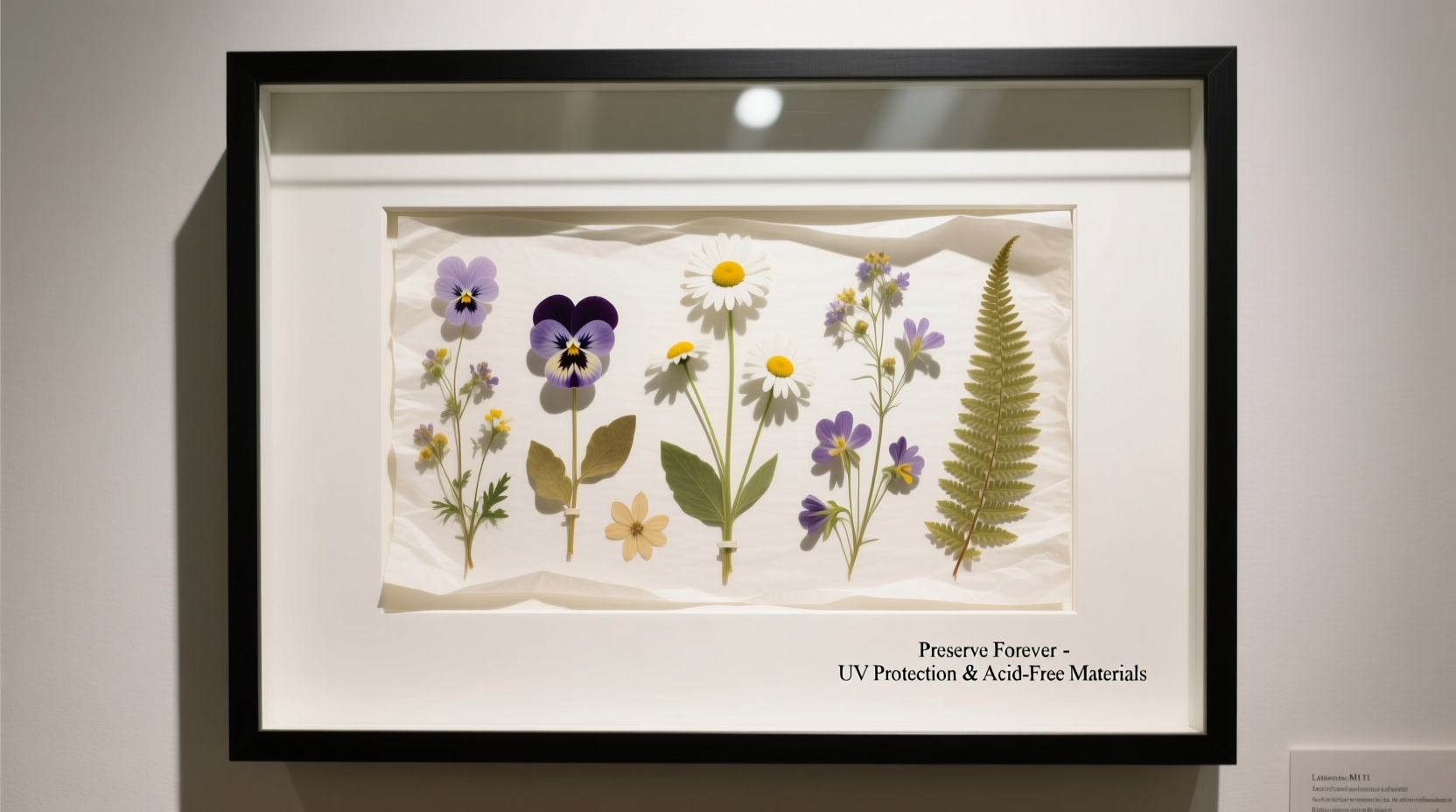
Not all flowers press and preserve equally. Some varieties naturally retain color better than others when dried, while some lose pigment quickly or crumble under pressure. Choosing the right blooms at the optimal time increases your chances of long-term success.
Flowers with thinner petals and lower moisture content tend to press more evenly and resist mold during drying. Ideal candidates include pansies, violets, daisies, baby’s breath, ferns, lavender, and marigolds. Avoid thick-petaled flowers like roses or peonies unless you plan to slice them thinly before pressing, as their dense centers often trap moisture and lead to discoloration.
Harvest flowers in the morning after the dew has evaporated but before the sun reaches peak intensity. Choose blooms that are just opening—fully mature but not yet wilting. Remove excess foliage and stems, leaving only what enhances the composition. The fresher the specimen, the better it will respond to pressing and long-term preservation.
The Science of Pressing: Methods That Prevent Fading
How you press flowers significantly impacts their final color retention. Rapid dehydration helps lock in pigments before natural enzymes break them down. Slow drying, especially in humid environments, encourages browning and fading.
Traditional book pressing works, but it can take weeks and risks uneven results. For faster, more consistent outcomes, use a dedicated flower press with absorbent paper layers, or try the microwave method with silica gel. The latter preserves color remarkably well by removing moisture in minutes rather than days.
- Book Pressing (Classic Method): Place flowers between two sheets of blotting paper inside a heavy textbook. Stack additional books on top. Replace paper every few days. Takes 7–14 days.
- Wooden Flower Press: Adjustable screws apply even pressure. Use parchment or filter paper between layers. Ideal for frequent pressing.
- Microwave Pressing: Sandwich flowers between two ceramic tiles with paper in between. Microwave in 30-second bursts until dry (usually 1–2 minutes). Monitor closely to avoid scorching.
- Silica Gel Drying: Bury flowers completely in silica gel crystals in an airtight container. Leave for 3–5 days. This method best preserves original shape and hue, especially for three-dimensional blooms.
After pressing, store flowers in a dark, dry envelope or archival box until ready for display. Exposure to light—even indoor lighting—can begin fading pigments immediately.
Display Techniques That Prevent Color Degradation
Once pressed, the greatest threat to longevity is light exposure. Ultraviolet (UV) rays degrade organic pigments rapidly, causing once-vibrant reds to fade to pink and deep purples to turn gray. Proper display isn’t optional—it’s essential.
Framing is the most effective way to showcase pressed flowers while protecting them. However, not all frames offer equal protection. Standard glass blocks only about 45% of UV radiation. To truly safeguard your artwork, use conservation-grade materials.
| Display Material | UV Protection | Cost Level | Best For |
|---|---|---|---|
| Standard Glass | Low (45%) | $$ | Short-term display, low-light areas |
| UV-Filtering Glass | High (99%) | $$$ | Long-term preservation, sunny rooms |
| Acrylic (UV-Protected) | High (98%) | $$$ | Lightweight displays, travel-safe art |
| Regular Acrylic | None | $ | Avoid for permanent displays |
When framing, never allow direct contact between the flowers and the glass. Moisture can condense and promote mold growth. Use a mat board to create a spacer, or mount the flowers on acid-free paper with small adhesive corners. Avoid tape, glue, or spray adhesives, which can yellow and damage delicate petals over time.
“Even indirect daylight can fade pressed botanicals within six months. If you value the piece, treat it like a watercolor painting—use UV glass and rotate displays periodically.” — Dr. Lila Chen, Conservator of Organic Artifacts, National Museum of Natural History
Environmental Controls for Lasting Preservation
Light is not the only enemy. Humidity, temperature fluctuations, and airborne pollutants also compromise pressed flowers. A stable environment is critical for long-term integrity.
Ideally, display framed pieces in rooms with consistent temperatures between 65–72°F (18–22°C) and relative humidity around 40–50%. Bathrooms, kitchens, and attics are unsuitable due to fluctuating moisture levels. Basements may harbor mold spores, especially if poorly ventilated.
If you live in a humid climate, consider placing silica gel packets in the frame’s backing (sealed properly to prevent contact with the flowers). These desiccants absorb residual moisture and help prevent fungal growth. Recharge them monthly by baking at 200°F for two hours.
For collections stored in albums or boxes, use archival-quality, lignin-free folders and containers. Never use plastic sleeves from office supply stores—many emit volatile compounds that accelerate deterioration. Instead, opt for polypropylene or polyester sleeves labeled “archival safe.”
Mini Case Study: Preserving a Wedding Bouquet for a Decade
Sarah M., a florist from Vermont, wanted to preserve her own wedding bouquet—a mix of garden roses, eucalyptus, and white astilbe—for her daughter’s future wedding. She began by disassembling the bouquet the same day, selecting the best blooms, and slicing rose heads in half to speed drying.
She used a combination method: silica gel for the roses and microwave pressing for the delicate astilbe. After drying, she stored the flowers in a sealed container with desiccant in a closet away from windows. Six months later, she arranged them into a shadowbox with a custom-cut mat and UV-filtering acrylic.
The piece was displayed in her bedroom, a room with minimal sunlight and stable temperature. Every two years, she removed the frame for inspection, replaced the silica gel pack, and ensured no pests had entered. Ten years later, the colors remain remarkably true, with only slight darkening of the rose edges—a natural aging process she finds adds character.
“I treated it like a museum piece from day one,” Sarah said. “It wasn’t expensive, but it was intentional. That made all the difference.”
Essential Checklist for Long-Term Flower Preservation
To ensure your pressed flowers endure, follow this actionable checklist:
- ✅ Harvest flowers at peak freshness, early in the day
- ✅ Use fast-drying methods (silica gel or microwave) to preserve color
- ✅ Store dried flowers in dark, dry, airtight containers until framing
- ✅ Frame using UV-filtering glass or acrylic
- ✅ Use acid-free mat boards and archival mounting techniques
- ✅ Avoid direct and prolonged exposure to any light source
- ✅ Maintain stable temperature and humidity in display areas
- ✅ Include silica gel packs in sealed frames or storage boxes
- ✅ Inspect displays annually for signs of fading, mold, or pests
- ✅ Rotate displayed pieces to minimize cumulative light exposure
Frequently Asked Questions
Can I use hairspray to preserve pressed flowers?
No. While some suggest spraying flowers with hairspray to “set” them, this introduces chemicals that can yellow over time and make petals brittle. It does not offer UV or moisture protection. Rely instead on proper framing and environmental control.
How long do pressed flowers last if properly preserved?
With UV protection, stable conditions, and archival materials, pressed flowers can remain vibrant for 20–30 years or longer. Some Victorian-era specimens still exist in excellent condition thanks to careful storage practices.
Is it safe to hang pressed flower art in a bathroom?
No. Bathrooms experience high humidity and temperature swings, both of which promote mold, warping, and pigment breakdown. Even with ventilation, the risk is too great for valuable botanical art.
Conclusion: Honor the Moment, Protect the Memory
Pressed flowers are more than decorations—they are fragments of time, encapsulating seasons, emotions, and milestones. Their fragility demands respect, but with informed care, they need not be temporary. By choosing the right flowers, using rapid drying techniques, framing behind UV protection, and controlling the environment, you give these delicate treasures the chance to outlive memory itself.
Don’t relegate your pressed blooms to a drawer or a sunlit shelf where they’ll fade unseen. Treat them with the care they deserve. Frame them thoughtfully, display them wisely, and pass them on as heirlooms. The effort you invest today ensures that a single summer bloom can whisper its story for generations.




 浙公网安备
33010002000092号
浙公网安备
33010002000092号 浙B2-20120091-4
Comments
No comments yet. Why don't you start the discussion?