
For millions of people who wear prescription glasses or sunglasses, one frustrating side effect of mask-wearing has become all too familiar: foggy lenses. Whether you're walking into a warm building during winter, cooking at home, or simply breathing normally while masked, condensation forms on your lenses and obstructs your vision. This issue isn’t just inconvenient—it can be dangerous when driving, reading small print, or navigating stairs.
The root cause is simple: warm, moist air from your breath escapes through the top of your mask and hits the cooler surface of your glasses, creating fog. The good news? This problem is entirely preventable with practical, low-cost solutions. No special equipment or expensive products are required. With a few smart adjustments and consistent habits, you can keep your lenses clear and your vision sharp—all while staying safely masked.
Why Glasses Fog Up When Wearing a Mask
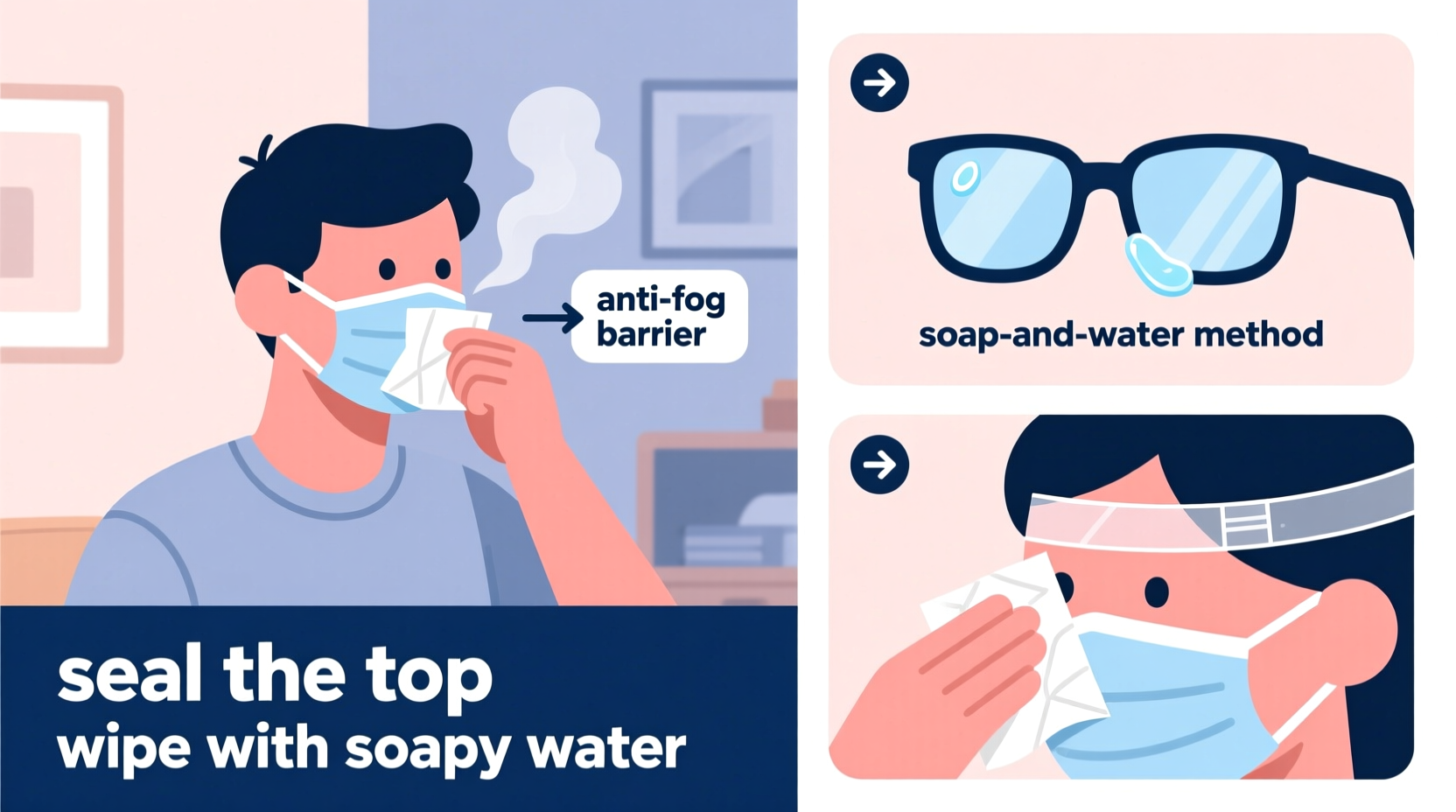
Fogging occurs due to a basic principle of physics: when warm, humid air meets a cooler surface, the moisture in the air condenses into tiny water droplets. Your breath is naturally warm and moist. If your face mask doesn’t seal tightly around the nose and upper cheeks, that air rises and flows directly onto your glasses’ lenses.
This is especially common with surgical masks, cloth masks without nose wires, or masks that have stretched out over time. Even well-fitted masks can leak slightly if not adjusted properly. Factors like cold outdoor temperatures, indoor heating, or physical activity (which increases respiration) make fogging worse.
Understanding this mechanism is key to solving it. The goal isn’t to stop breathing—it’s to redirect your breath downward, where it belongs.
Step-by-Step: How to Stop Glasses from Fogging Under a Mask
Solving foggy glasses doesn’t require guesswork. Follow this proven sequence of actions for immediate improvement:
- Choose the right mask. Opt for masks with a built-in nose wire or moldable strip. These allow you to shape the top of the mask snugly over the bridge of your nose, blocking upward airflow.
- Position your glasses over the mask. After securing the mask, place the arms of your glasses over the top edge of the fabric. This creates a physical barrier that traps escaping air beneath the lenses.
- Press the mask firmly along the nose bridge. Use your fingers to mold the nose wire tightly against your skin. You should feel resistance when you breathe in—if air escapes, re-adjust.
- Test the seal. Exhale sharply while wearing both mask and glasses. If you see fog forming, there’s still leakage. Tighten the fit or try a different method.
- Use tape as a temporary fix (if needed). For extended wear or high-humidity environments, apply hypoallergenic medical tape across the top edge of the mask, securing it to your skin just below your glasses. This eliminates gaps completely.
These steps work best when combined. A well-fitted mask alone may not solve the issue if your glasses sit too high or leave space for air to rise.
Effective Tricks That Actually Work
Not every solution fits every lifestyle. Some people prefer non-invasive methods; others need maximum protection. Below are five of the most reliable techniques, tested by healthcare workers, teachers, and daily commuters.
1. Tape the Top of the Mask
Using 3M Micropore tape or any breathable medical tape, secure the upper edge of your mask to your face just under your eyes. This creates an airtight seal that prevents breath from rising. Dermatologists confirm that short-term use is safe for most skin types, but avoid if you have sensitive or acne-prone skin.
2. Soap-and-Water Anti-Fog Treatment
Apply a small drop of mild dish soap to each lens, rub gently with a microfiber cloth, then let it dry without rinsing. The soap leaves behind a thin film that disrupts water droplet formation. This trick is widely used by surgeons and divers. Reapply every few hours as needed.
3. Double-Mask Strategically
Wear a surgical mask underneath a cloth mask. The inner mask acts as a filter and improves fit, while the outer mask adds structure and better coverage. CDC studies show double-masking can significantly reduce airborne particle leakage—including breath fog.
4. Adjust Glasses Position
After putting on your mask, slide your glasses down slightly so their weight presses the mask’s top edge against your nose. This dual contact point enhances the seal. Just ensure your vision remains clear and the frames don’t slip further during movement.
5. Use Commercial Anti-Fog Sprays or Wipes
Products like Rev7 Anti-Fog Spray or Zeiss Lens Wipes create long-lasting coatings that prevent condensation. They’re ideal for professionals who wear masks all day, such as dentists or lab technicians. Apply according to instructions and avoid touching treated surfaces with fingers.
Do’s and Don’ts: What Helps (and Hurts) Fog Prevention
| Do’s | Don’ts |
|---|---|
| Do wash your mask regularly to maintain elasticity and hygiene. | Don’t use petroleum-based ointments (like Vaseline) on the mask—they can degrade materials and clog pores. |
| Do choose masks with adjustable ear loops or ties for a custom fit. | Don’t rely solely on loose-fitting bandanas or gaiters—they offer minimal sealing capability. |
| Do store glasses in a clean case when not in use to preserve anti-fog treatments. | Don’t wipe fogged lenses with clothing—this scratches coatings over time. |
| Do test new methods at home before relying on them in critical situations. | Don’t ignore signs of poor mask fit—chin-only masking increases fog and reduces protection. |
Real-World Example: A Nurse’s Solution During Long Shifts
Sarah M., an ER nurse in Boston, faced constant fogging during 12-hour shifts. “I’d walk into a patient’s room, and within seconds, my glasses would be completely clouded. I couldn’t read monitors or charts,” she said. Standard hospital masks weren’t cutting it.
She experimented with several methods and settled on a combination: a surgical mask underneath a cloth mask with a stiffened nose wire, plus a single strip of Micropore tape anchoring the top edge to her skin. She also applied a diluted baby shampoo solution to her lenses each morning.
“It sounds fussy, but once I got the routine down, it took less than two minutes. Now I go entire shifts without a single fog incident. My team started copying me—we call it the ‘Sarah Seal.’”
“We’ve seen a significant drop in eyewear-related complaints among staff since introducing proper mask-fitting training and anti-fog protocols.” — Dr. Alan Reyes, Occupational Health Director, Massachusetts General Hospital
Checklist: Prevent Foggy Glasses in 5 Minutes or Less
- ☐ Pick a mask with a flexible nose wire
- ☐ Mold the nose wire tightly over the bridge of your nose
- ☐ Position your glasses so they rest on top of the mask’s upper edge
- ☐ Apply a drop of dish soap to each lens, rub in, and air-dry
- ☐ Test the seal by exhaling forcefully—adjust if fog appears
- ☐ Carry anti-fog wipes or a small bottle of spray for touch-ups
- ☐ Replace worn-out masks that no longer hold their shape
This checklist takes under five minutes to implement and can be repeated daily. Keep a spare mask and mini soap bottle in your bag for on-the-go maintenance.
Frequently Asked Questions
Can I use hand sanitizer to prevent fogging?
No. While some people report temporary success, hand sanitizer contains alcohol and fragrances that can damage lens coatings and irritate the skin around your eyes. Stick to mild dish soap or approved anti-fog products.
Will wearing a tighter mask restrict my breathing?
A properly fitted mask should not make breathing difficult. If you feel suffocated, check that the material is breathable (e.g., cotton or surgical-grade). The goal is a snug seal, not compression. If breathing remains hard, consult a healthcare provider—especially if you have respiratory conditions.
Are there glasses designed to prevent fogging?
Yes. Some safety goggles and occupational eyewear come with ventilation systems or anti-fog coatings. Brands like Oakley and Wiley X offer sport and tactical models with these features. However, most everyday prescription frames don’t include built-in ventilation due to design constraints.
Final Thoughts: Clear Vision Starts with Smart Habits
Foggy glasses don’t have to be an unavoidable nuisance. With the right mask, a few simple adjustments, and consistent practices, you can eliminate the problem almost entirely. The key is understanding how breath escapes and taking proactive steps to redirect it.
Whether you're a teacher managing a classroom, a commuter navigating public transit, or someone who just wants to enjoy a hot coffee without blurry lenses, these strategies deliver real results. Start with one or two methods—like taping the mask or using soap treatment—and build from there.




 浙公网安备
33010002000092号
浙公网安备
33010002000092号 浙B2-20120091-4
Comments
No comments yet. Why don't you start the discussion?