
Winter brings cozy sweaters, warm layers, and unfortunately, relentless static cling. As indoor heating dries the air and synthetic fabrics rub together, static electricity builds up—sending socks clinging to pants, skirts sticking to tights, and hair flying every direction with a simple sweater removal. While dryer sheets are a common fix, many people prefer to avoid them due to chemicals, fragrances, or environmental concerns. The good news: you can combat static effectively without ever touching a dryer sheet.
This guide explores science-backed, practical, and sustainable alternatives that work directly with your laundry routine, clothing choices, and home environment. From adjusting your wash cycle to using household items creatively, these methods reduce static at every stage—washing, drying, and wearing.
Why Static Cling Worsens in Winter
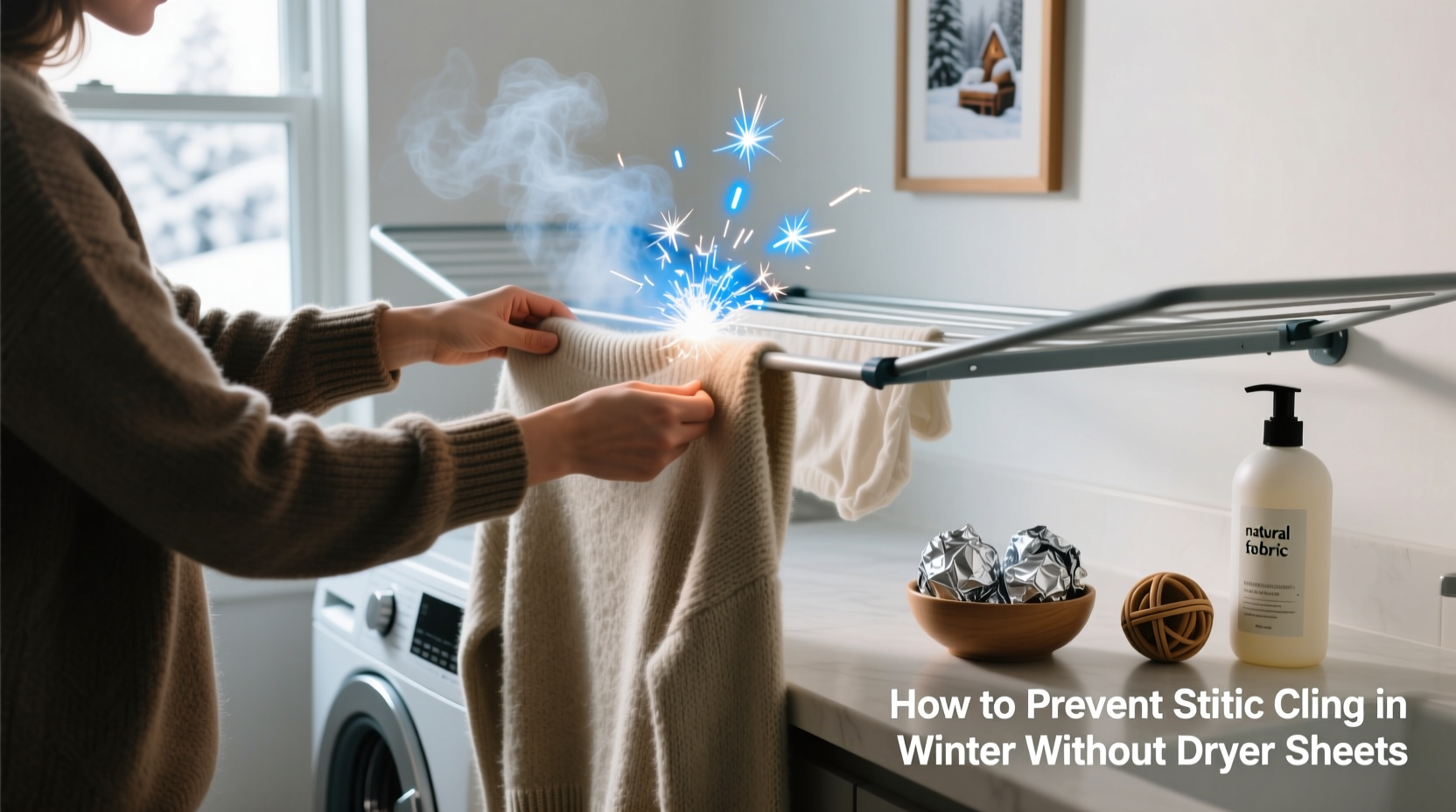
Static electricity occurs when electrons transfer between materials through friction. In dry conditions, such as heated indoor spaces during winter, surfaces cannot easily dissipate this charge. Fabrics like polyester, nylon, and acrylic are especially prone to building up static because they don’t conduct moisture well. Cotton and wool, while natural, can also contribute depending on humidity levels and layering combinations.
The lack of moisture in winter air is the primary culprit. Indoor relative humidity often drops below 30% in colder months—well under the ideal 40–60% range for comfort and static control. Without moisture to carry away electrical charges, static accumulates quickly on clothes, upholstery, and even your skin.
“Low humidity is the biggest factor in winter static. Increasing moisture in the air can reduce cling by over 70%.” — Dr. Linda Chen, Environmental Physicist and Textile Consultant
Natural Alternatives to Dryer Sheets
Dryer sheets coat fabrics with a thin layer of conditioning chemicals to neutralize static. But similar effects can be achieved naturally using ingredients already in your pantry or cleaning cabinet. These alternatives are safer for sensitive skin, septic systems, and the planet.
1. Wool Dryer Balls
Wool dryer balls are one of the most effective replacements for dryer sheets. They work by separating clothes as they tumble, improving airflow and reducing drying time by up to 25%. The wool absorbs a small amount of moisture and releases it as steam, which helps dissipate static.
2. Vinegar in the Rinse Cycle
White vinegar softens fabrics naturally and removes detergent residue that contributes to stiffness and static. Add ½ cup of distilled white vinegar to the rinse cycle instead of fabric softener. It leaves no smell once dried and improves fabric breathability.
3. Aluminum Foil Ball
A crumpled ball of aluminum foil tossed into the dryer acts as a conductor, discharging built-up static electricity. It’s reusable for several months and completely chemical-free. Just make sure the ball is tightly compressed to avoid sharp edges.
4. Hair Conditioner as Fabric Softener
Mix 1 part liquid hair conditioner with 4 parts water and add a tablespoon to the final rinse. Conditioner contains cationic surfactants that coat fibers similarly to commercial softeners but without synthetic fragrances. Use sparingly to avoid buildup.
Laundry Adjustments That Reduce Static
How you wash and dry clothes plays a major role in static development. Small changes in routine can yield significant results.
Don’t Overdry Clothes
Overdrying removes all remaining moisture from fabrics, making them more susceptible to static. Remove clothes from the dryer while slightly damp and air-dry the rest of the way. This preserves fabric integrity and reduces cling.
Reduce Synthetic Blends When Possible
Synthetic fibers generate more static than natural ones. Opt for cotton, linen, bamboo, or TENCEL™ blends when shopping for base layers or everyday wear. If you must wear synthetics, layer them with natural fabrics to minimize contact and charge transfer.
Use Cold Water Washes
Hot water strips natural oils from fibers and increases static potential. Washing in cold water preserves fabric texture and uses less energy. Pair with a vinegar rinse for optimal softness.
| Laundry Practice | Static Risk Level | Better Alternative |
|---|---|---|
| Using dryer sheets | Low (short-term) | Wool dryer balls |
| Overdrying loads | High | Remove early, air-dry finish |
| Washing in hot water | Moderate | Cold water + vinegar rinse |
| Drying synthetic-heavy loads | High | Separate by fabric type; add foil ball |
Step-by-Step Guide to a Static-Free Routine
Follow this five-step process to eliminate static from your winter wardrobe without relying on chemical-laden products.
- Sort laundry by fabric type. Separate natural fibers (cotton, wool) from synthetics (polyester, rayon). This prevents excessive friction between dissimilar materials.
- Add ½ cup white vinegar to the rinse cycle. This replaces liquid fabric softener and reduces residue that amplifies static.
- Tumble dry with wool dryer balls or an aluminum foil ball. Use 3–6 wool balls or one golf-ball-sized foil ball per medium load.
- Remove clothes slightly damp. Transfer to a drying rack or hanger to finish drying. This retains trace moisture that prevents charge buildup.
- Store clothes in a humidified space. Keep closets away from heating vents and consider using a room humidifier nearby.
Home and Body Strategies for Immediate Relief
Sometimes, despite careful laundry practices, static strikes. These quick fixes help manage cling on the go or after dressing.
Use a Metal Hanger to Discharge Static
Run a metal coat hanger over the inside of a clinging garment. The metal conducts the charge away from the fabric and into your hand (you might feel a tiny zap). This works instantly and requires no special tools.
Moisturize Skin Before Dressing
Dry skin increases personal static buildup. Apply unscented lotion to legs and arms before putting on tights or long sleeves. Hydrated skin is less likely to generate or hold a charge.
Carry a Safety Pin or Metal Keychain
Touching a metal object before standing up from a synthetic chair or car seat safely discharges static. Attach a safety pin to the inside seam of a skirt or dress—it subtly grounds the fabric throughout the day.
Increase Indoor Humidity
Use a humidifier to maintain indoor humidity between 40% and 50%. This single step dramatically reduces static in clothes, furniture, and hair. Place units in bedrooms and living areas where you spend the most time.
“Humidifiers aren’t just for respiratory health—they’re one of the most underrated tools for managing textile static.” — Mark Rivera, HVAC and Indoor Air Quality Specialist
Mini Case Study: A Teacher’s Static Solution
Sarah, a third-grade teacher in Minnesota, struggled every winter with her wool skirts clinging to her tights and causing distractions during classroom activities. She avoided dryer sheets due to sensitivities among her students and wanted a safe solution.
She began using wool dryer balls, washing her clothes in cold water with vinegar, and placing a small humidifier in her bedroom. Within two weeks, static incidents dropped from daily occurrences to almost none. She also started applying lotion before school and keeping a metal keychain in her pocket to discharge herself before sitting down.
“I didn’t realize how much mental energy I was spending adjusting my clothes,” Sarah said. “Now I’m more focused on teaching—and my students aren’t giggling at my skirt anymore.”
Checklist: Prevent Static Cling Without Dryer Sheets
- ✅ Use wool dryer balls instead of dryer sheets
- ✅ Add ½ cup white vinegar to the rinse cycle
- ✅ Avoid overdrying—remove clothes while slightly damp
- ✅ Run a metal hanger over garments to discharge static
- ✅ Moisturize skin before dressing in layers
- ✅ Maintain indoor humidity above 40%
- ✅ Choose natural fiber clothing when possible
- ✅ Carry a safety pin or metal object to ground yourself
Frequently Asked Questions
Can I use baking soda instead of vinegar?
Baking soda is excellent for odor control and cleaning but doesn’t soften fabrics or reduce static like vinegar. For static prevention, vinegar is more effective. However, you can use both: ½ cup baking soda in the wash cycle and ½ cup vinegar in the rinse.
Are wool dryer balls safe for all dryers?
Yes, wool dryer balls are safe for gas, electric, vented, and ventless dryers. They’re non-toxic, hypoallergenic, and last for over 1,000 loads. Just ensure they’re 100% wool and free of synthetic blends to avoid melting.
Why do my towels get static after switching to vinegar?
Vinegar removes built-up softener residue, which can temporarily make towels feel stiffer. This usually resolves after 2–3 washes. Avoid using vinegar on microfiber towels, as it may degrade the fibers over time.
Final Thoughts and Action Steps
Preventing static cling in winter doesn’t require chemical additives or expensive products. By understanding the root causes—dry air, synthetic fabrics, and improper drying—you can take targeted, natural steps to keep your clothes comfortable and static-free.
The shift away from dryer sheets is not just about avoiding chemicals; it’s about adopting smarter laundry habits that benefit your clothes, your health, and your home environment. Whether you start with wool dryer balls, adjust your drying time, or invest in a humidifier, each change adds up to noticeable improvement.




 浙公网安备
33010002000092号
浙公网安备
33010002000092号 浙B2-20120091-4
Comments
No comments yet. Why don't you start the discussion?