
Every year, millions of households bring a fresh-cut Christmas tree into their homes to celebrate the holiday season. While the scent of pine and fir fills the air with warmth and nostalgia, one common frustration persists: the tree dries out too quickly. Needles drop, branches become brittle, and fire risk increases—all within days of setup. The good news? You don’t need chemical additives or expensive products to keep your tree hydrated. With thoughtful preparation and a few natural strategies, you can extend its freshness well into January.
The key lies in understanding how trees lose moisture after being cut and what environmental factors accelerate that process. By mimicking the tree’s natural conditions as closely as possible, you can slow down dehydration significantly. This guide walks you through science-backed, eco-friendly methods to preserve your tree’s vitality—without relying on synthetic preservatives.
Why Fresh-Cut Trees Dry Out Quickly
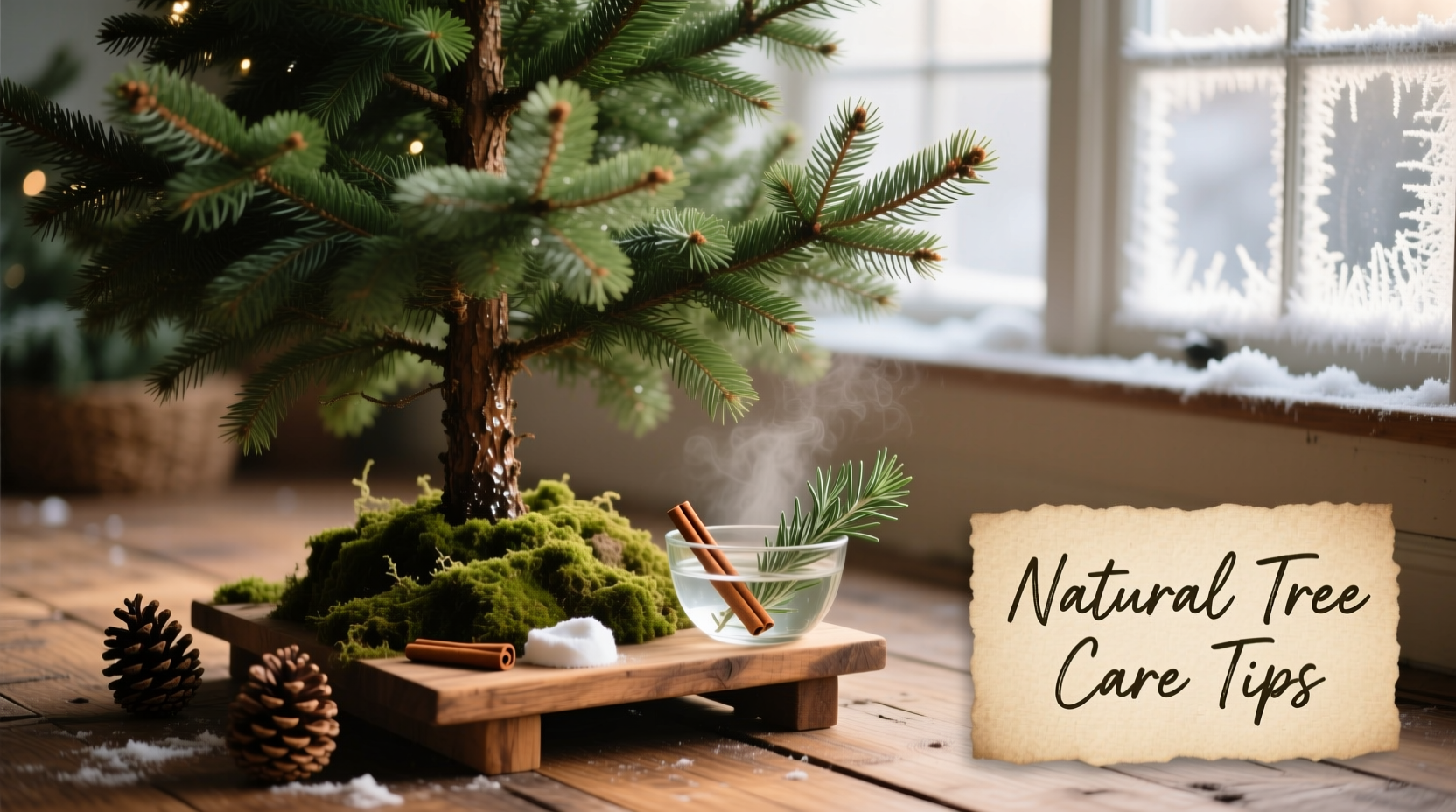
Once a tree is cut, its ability to absorb water depends entirely on the condition of the stump. The vascular system at the base of the trunk begins sealing over within hours, especially if exposed to air. When this happens, even placing the tree in water later won't restore absorption. That's why timing and initial care are critical.
Indoor environments further challenge tree hydration. Heat sources like radiators, fireplaces, and HVAC systems dry the surrounding air, increasing transpiration—the process by which trees release moisture through their needles. Low humidity indoors (often below 30% in winter) pulls water from the tree faster than it can be replaced.
“After cutting, the window for optimal water uptake is less than 6 hours. A sealed stump drastically reduces hydration potential.” — Dr. Laura Bennett, Forest Ecologist, University of Vermont
Understanding these dynamics allows you to take proactive steps—not just reactive ones—to maintain freshness throughout the season.
Natural Strategies to Maximize Tree Hydration
You don’t need commercial “tree preservatives” to keep your tree healthy. In fact, many store-bought mixes contain sugars or bleach that offer minimal benefit and may even promote bacterial growth in the stand. Instead, focus on proven, natural techniques that support the tree’s biology.
Cut the Base Before Setting Up
If more than four hours have passed since the tree was cut, make a fresh horizontal cut of at least half an inch off the bottom before placing it in the stand. This removes the sealed layer and exposes open vessels capable of absorbing water immediately.
Use Lukewarm Water in the Stand
Cold water slows capillary action in the trunk. Using lukewarm (not hot) water encourages faster absorption during the first 24–48 hours. After that, room-temperature water is sufficient.
Keep the Stand Filled at All Times
A tree can drink up to a quart of water per day, especially in the first week. Check the water level twice daily. Never let the base go dry—even briefly—as re-sealing can occur within two hours.
Choose the Right Tree Stand
A sturdy stand with a large water reservoir (minimum one gallon capacity) is essential. Avoid small decorative stands that look nice but hold insufficient water. Metal or heavy-duty plastic stands with adjustable screws provide better stability and consistent contact with the trunk.
Optimize Indoor Conditions Naturally
Your home environment plays a bigger role in tree longevity than most realize. Simple adjustments can dramatically reduce moisture loss without altering comfort for occupants.
Maintain Cooler Room Temperatures
For every 10°F (5.5°C) increase in temperature, transpiration rates nearly double. If possible, keep the room where the tree is located at or below 68°F (20°C). Consider lowering the thermostat at night or using a smart thermostat to regulate temperature only when needed.
Move Away from Heat Sources
Never place your tree near radiators, vents, fireplaces, or sunny south-facing windows. Even indirect radiant heat accelerates drying. Position the tree in a cooler corner away from direct airflow.
Increase Humidity Around the Tree
Dry indoor air is a major culprit. Boost local humidity naturally by placing shallow trays of water near the base (not under the stand), adding houseplants nearby, or using a small humidifier in the same room. As water evaporates, it creates a microclimate that helps retain needle moisture.
| Factor | Impact on Tree | Natural Solution |
|---|---|---|
| High indoor temperature | Increases transpiration, speeds drying | Lower thermostat; use zone heating |
| Low humidity | Draws moisture from needles | Add water trays or humidifier |
| Direct sunlight | Heats branches, promotes dehydration | Relocate to shaded area |
| Airflow from vents | Constant dry wind effect | Close nearby registers or redirect vents |
Step-by-Step Guide: First 72 Hours Matter Most
The first three days after setup determine how long your tree will stay fresh. Follow this timeline to give it the best start:
- Day 0 – Purchase & Transport: Have the lot make a fresh cut before loading. Keep the tree horizontal and cover the top with burlap or a sheet during transport to minimize wind exposure.
- Upon Arrival – Re-Cut the Base: Make another half-inch cut at home if more than 4 hours have passed. Do this just before placing in the stand.
- Immediate Setup: Fill the stand with lukewarm water. Ensure the tree sits securely and the base is fully submerged.
- First 24 Hours: Monitor water levels every few hours. It’s normal for the tree to drink heavily initially. Refill as needed.
- Days 2–3: Begin checking daily. Wipe excess sap from the trunk to prevent stickiness. Mist the branches lightly with room-temperature water once a day if indoor air is very dry.
- Ongoing Care: Continue daily checks. Clean dust from needles gently with a soft brush or microfiber cloth to maintain photosynthetic efficiency (yes—cut trees still perform limited photosynthesis).
Real Example: The Johnson Family’s Record-Keeping Tree
The Johnsons in Portland, Oregon, struggled for years with early needle drop. Their 7-foot Douglas fir typically looked ragged by New Year’s Eve. In 2022, they decided to experiment. They bought their tree earlier than usual—December 1st—and followed a strict natural regimen: a fresh cut at home, a large-capacity stand, lukewarm water, and placement in a cooler sunroom away from vents.
They also placed two wide ceramic bowls of water near the base and lowered the sunroom temperature to 65°F at night. They checked water twice daily and refilled religiously. The result? Their tree remained vibrant, with minimal shedding, until January 10th—nearly five weeks after setup.
“We didn’t use any special products,” says Sarah Johnson. “Just attention, water, and keeping it cool. It made such a difference—we’ll never go back.”
What Not to Do: Common Myths Debunked
Despite widespread advice, many traditional practices do more harm than good. Here’s what to avoid:
- Adding aspirin, sugar, or soda to water: These can encourage microbial growth in the stand, clogging the trunk’s pores and reducing water uptake.
- Using antifreeze or bleach: Toxic and ineffective. Bleach may kill bacteria but damages plant tissue and poses health risks.
- Drilling holes in the base: Does not improve water absorption. Trees draw water through the outer sapwood, not the center.
- Leaving the tree outside in a bucket of water pre-setup: Outdoor freezing temperatures can block water channels. If stored outside, protect the base from frost and bring indoors only when ready to set up.
“The best ‘preservative’ is clean water and consistent care. Simplicity wins every time.” — Mark Delaney, Certified Arborist and Holiday Tree Consultant
Checklist: Keep Your Tree Fresh All Season
Print or save this checklist to ensure no step is missed:
- ☐ Get a fresh cut at purchase—or re-cut at home if delayed
- ☐ Use a stand holding at least 1 gallon of water
- ☐ Fill with lukewarm water initially
- ☐ Place tree away from heat sources and direct sun
- ☐ Check water level twice daily for first week, then daily
- ☐ Never let water drop below the base
- ☐ Mist needles lightly in dry environments
- ☐ Use water trays or humidifier nearby
- ☐ Keep room temperature below 68°F when possible
- ☐ Remove tree promptly after signs of excessive dryness (browning, brittleness)
Frequently Asked Questions
How can I tell if my tree is drying out too fast?
Signs include excessive needle drop when touched, brittle branches that snap easily, a faded green color, and a lack of pine scent. Lift a branch and shake gently—if more than a few old needles fall, the tree is losing moisture rapidly.
Can I revive a tree that’s already starting to dry?
Once significant dehydration occurs, revival isn’t possible. However, improving conditions—refilling water, cooling the room, increasing humidity—can slow further decline. If the base has dried out, make another fresh cut while submerged in water to reopen the vascular system.
Are certain tree species naturally longer-lasting?
Yes. Fraser fir, Balsam fir, and Douglas fir tend to retain moisture better than Scotch pine or spruce. Noble fir is particularly resilient. Ask your vendor about species known for needle retention in your climate.
Final Thoughts: Nature Knows Best
Preventing your Christmas tree from drying out doesn’t require gimmicks or chemicals. It requires respect for the tree’s biological needs and a commitment to consistent, attentive care. By focusing on water access, temperature control, and humidity, you create the ideal conditions for longevity—just as the tree would experience in a cool forest during winter.
These natural solutions are not only safer and more sustainable—they’re often more effective than commercial alternatives. With proper setup and daily attention, your tree can remain lush, fragrant, and festive throughout the entire holiday season.




 浙公网安备
33010002000092号
浙公网安备
33010002000092号 浙B2-20120091-4
Comments
No comments yet. Why don't you start the discussion?