
White leather sneakers are a timeless staple—clean, crisp, and effortlessly stylish. But their elegance comes at a price: they show every scuff, stain, and speck of dirt. Improper cleaning can lead to cracked leather, yellowing, or irreversible watermarks. Many people reach for household cleaners or toss them in the washing machine, only to discover too late that their favorite pair has been permanently damaged.
The truth is, maintaining white leather sneakers isn’t complicated—but it does require precision, the right tools, and an understanding of leather as a natural material. With the correct approach, your sneakers can stay bright, supple, and fresh-looking for years. This guide walks you through every step, from daily maintenance to deep cleaning, with expert-backed methods that protect both appearance and longevity.
Understanding White Leather: Why It’s Different
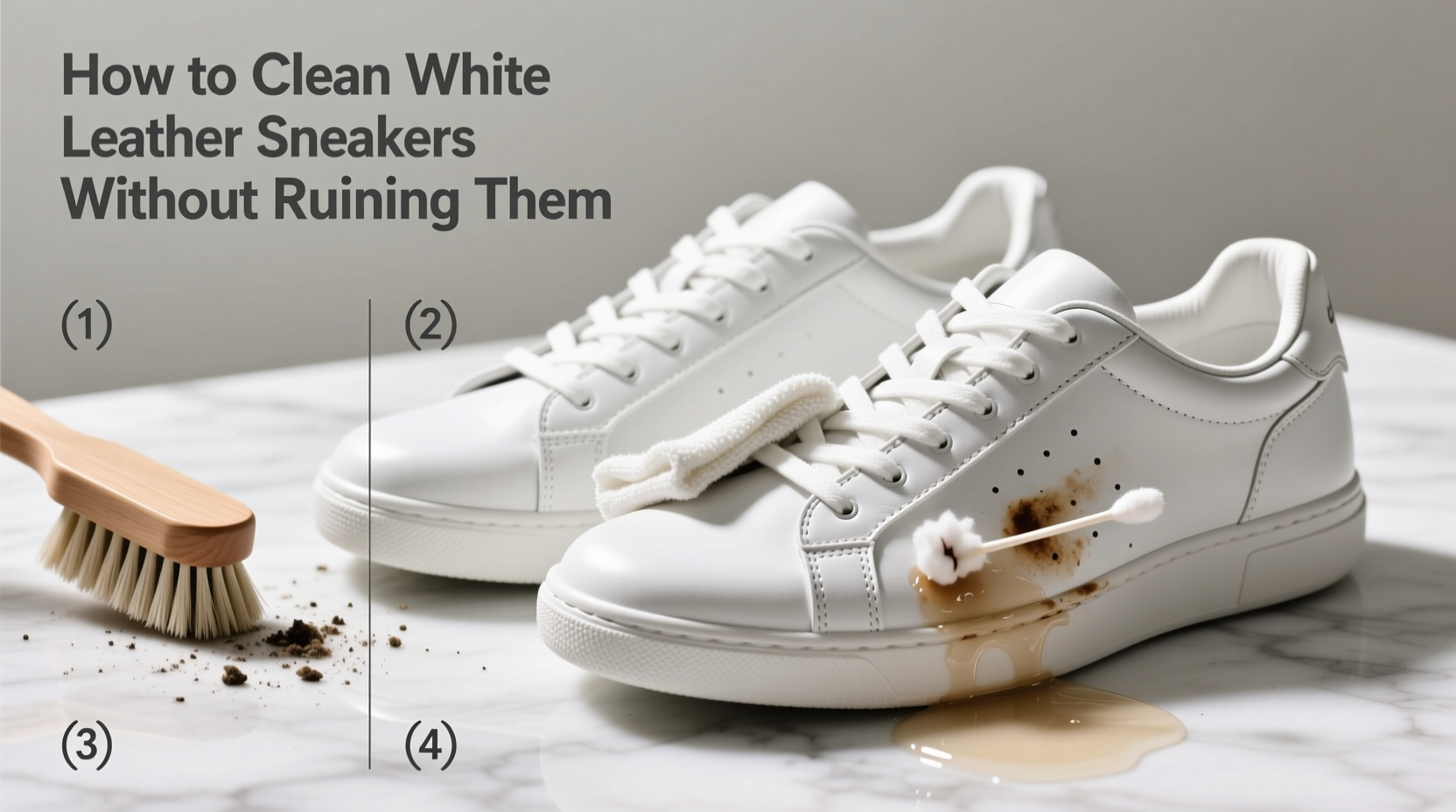
Leather is porous and sensitive to pH levels, moisture, and abrasives. Unlike synthetic materials, it absorbs liquids and reacts strongly to harsh chemicals. White leather is even more vulnerable because discoloration and stains are immediately visible. Over time, exposure to UV light, sweat, and environmental pollutants causes oxidation, leading to yellowing—a common frustration for sneaker owners.
Natural leather requires conditioning to retain its oils. When stripped by aggressive cleaners (like bleach or ammonia-based products), it dries out, cracks, and loses its luster. The goal of cleaning isn’t just aesthetics—it’s preservation. A well-maintained leather sneaker remains flexible, resists future staining, and ages gracefully.
“White leather demands respect, not aggression. Gentle, consistent care prevents damage far better than any deep clean after the fact.” — Marcus Tran, Footwear Restoration Specialist
Step-by-Step Guide to Cleaning White Leather Sneakers
Cleaning white leather should be methodical. Rushing or skipping steps risks uneven results or harm to the material. Follow this timeline for best outcomes:
- Remove laces and insoles: Take out shoelaces and removable insoles. Clean these separately using mild soap and water. Allow them to air dry completely before reinserting.
- Dry brush the surface: Use a soft-bristled brush (a toothbrush works well) to remove loose dirt, dust, and debris. Focus on seams, stitching, and around the sole edge where grime accumulates.
- Prepare a pH-balanced cleaner: Mix a few drops of mild, non-detergent soap (like castile soap or saddle soap) with distilled water. Avoid dish soap—it’s too alkaline and strips natural oils.
- Test on a small area: Dampen a cotton pad with the solution and gently rub an inconspicuous spot (e.g., near the heel tab). Wait 5 minutes. If no discoloration or texture change occurs, proceed.
- Clean in small sections: Dip a microfiber cloth into the solution, wring it until nearly dry, and wipe the leather in circular motions. Never soak the shoe. Work one panel at a time, rinsing the cloth frequently.
- Tackle stubborn stains carefully: For scuffs or marks, use a specialized leather eraser or a tiny amount of isopropyl alcohol (70%) on a cotton swab. Apply sparingly and only to affected areas.
- Wipe with a damp cloth: After cleaning, go over the surface with a cloth dampened only with distilled water to remove soap residue.
- Air dry naturally: Stuff shoes with acid-free tissue paper or a shoe tree to maintain shape. Place in a well-ventilated area away from direct sunlight or heat sources. Do not use a hairdryer or heater.
- Condition the leather: Once fully dry (after 12–24 hours), apply a small amount of leather conditioner with a clean cloth. Buff gently to restore moisture and prevent cracking.
- Apply a protective spray: Finish with a silicone-free leather protector spray. This creates a barrier against water and stains without altering breathability.
Do’s and Don’ts: Common Mistakes That Ruin White Leather
Even with good intentions, many people unknowingly damage their sneakers. Below is a comparison of recommended practices versus harmful habits.
| Do’s | Don’ts |
|---|---|
| Use a microfiber cloth and gentle, pH-neutral cleaner | Use household cleaners like Windex, bleach, or vinegar |
| Condition leather monthly to prevent drying | Condition too often or with heavy waxes that clog pores |
| Store in breathable cotton bags away from sunlight | Leave in plastic containers or hot cars |
| Spot clean immediately after soiling | Wait days to clean spills or mud |
| Use a leather-specific protective spray | Apply waterproof sprays meant for fabric or suede |
One of the most frequent errors is using magic erasers. While tempting for scuff removal, melamine foam is mildly abrasive and can dull the leather’s finish over time. Reserve it only for extreme cases and follow up with conditioning.
Real Example: How One Sneaker Enthusiast Saved His Discolored Pair
Jamal, a graphic designer in Portland, wore his white leather sneakers daily. After six months, they were heavily scuffed and had developed a yellowish tint along the toe cap. He almost discarded them—until he discovered a restoration service that used a two-phase process: gentle cleansing with a lanolin-based solution followed by UV-light-assisted oxidation reversal.
Inspired, Jamal began replicating the method at home. He started conditioning his sneakers every three weeks and using a protective spray weekly during rainy seasons. He also rotated between two pairs to reduce wear. Within four months, his sneakers looked noticeably brighter, and new stains wiped off easily. “I realized I wasn’t cleaning too little,” he said. “I was cleaning wrong.”
His turnaround wasn’t due to a miracle product—it came from consistency and choosing methods suited to leather’s biology.
Essential Care Checklist for Long-Term Maintenance
To keep your white leather sneakers looking pristine, integrate these actions into your routine:
- ✅ Remove surface dirt with a dry brush after every 2–3 wears
- ✅ Spot clean stains within 24 hours
- ✅ Deep clean every 4–6 weeks, depending on usage
- ✅ Condition leather every 3–4 weeks
- ✅ Reapply protective spray monthly or after cleaning
- ✅ Store in a cool, dry place with shoe trees or stuffing
- ✅ Rotate between multiple pairs to extend lifespan
- ✅ Avoid wearing in heavy rain or muddy conditions
Frequently Asked Questions
Can I use toothpaste to clean white leather sneakers?
No. Despite popular myths, toothpaste is abrasive and often contains whitening agents like hydrogen peroxide or baking soda that can degrade leather fibers and cause long-term discoloration. Stick to products specifically formulated for leather.
Why do my white leather sneakers turn yellow?
Yellowing is typically caused by oxidation from UV exposure, residual detergent left in the material, or natural aging of the leather’s finish. To minimize this, avoid direct sunlight when drying and never use bleaching agents. Some people use UV lamps and specialized toners to reverse mild yellowing, but prevention is far safer.
How often should I condition white leather sneakers?
Every 3–4 weeks under regular use. In dry climates or during winter heating seasons, increase to every 2–3 weeks. Over-conditioning can attract dirt, so apply sparingly—a thin, even layer is sufficient.
Protecting Your Investment: Prevention Is Key
The best cleaning strategy is preventing the need for aggressive treatment. Treat your sneakers proactively. Before first wear, apply a high-quality leather protector. This adds a molecular shield that repels water and oil-based stains without changing the look or feel.
Be mindful of environments. White leather doesn’t belong on hiking trails or construction sites. Even urban sidewalks carry grit that acts like sandpaper over time. When possible, reserve them for clean, indoor, or casual outdoor settings.
Also, consider lining your shoes with moisture-wicking insoles. Sweat from your feet migrates through the tongue and inner collar, contributing to internal staining and odor. Managing moisture protects both comfort and material integrity.
“Most sneaker deaths aren’t from dirt—they’re from neglect disguised as cleaning.” — Lena Ruiz, Conservation Technician at Urban Sole Archive
Conclusion: Treat Them Like Art, Not Just Shoes
White leather sneakers are more than footwear—they’re a statement. And like any finely crafted object, they demand thoughtful care. The techniques outlined here aren’t shortcuts; they’re sustainable habits that preserve beauty and function. You don’t need expensive kits or professional services to maintain them. What matters is consistency, patience, and respect for the material.
Start today. Pull out your worn pair, assess their condition, and begin with a simple dry brush. Then follow the full cleaning process when ready. Small efforts compound into lasting results. Your sneakers will thank you with years of sharp, confident wear.




 浙公网安备
33010002000092号
浙公网安备
33010002000092号 浙B2-20120091-4
Comments
No comments yet. Why don't you start the discussion?