
Cats are meticulous groomers by nature. Self-grooming helps them regulate body temperature, remove loose fur, and soothe minor irritations. But when grooming crosses the line into compulsion, it can signal underlying physical or psychological distress. Overgrooming—also known as psychogenic alopecia or excessive licking—can lead to hair loss, skin infections, and even open sores if left unchecked. Recognizing the signs early and understanding the root causes empowers pet owners to intervene effectively and restore their cat’s well-being.
Understanding Normal vs. Excessive Grooming
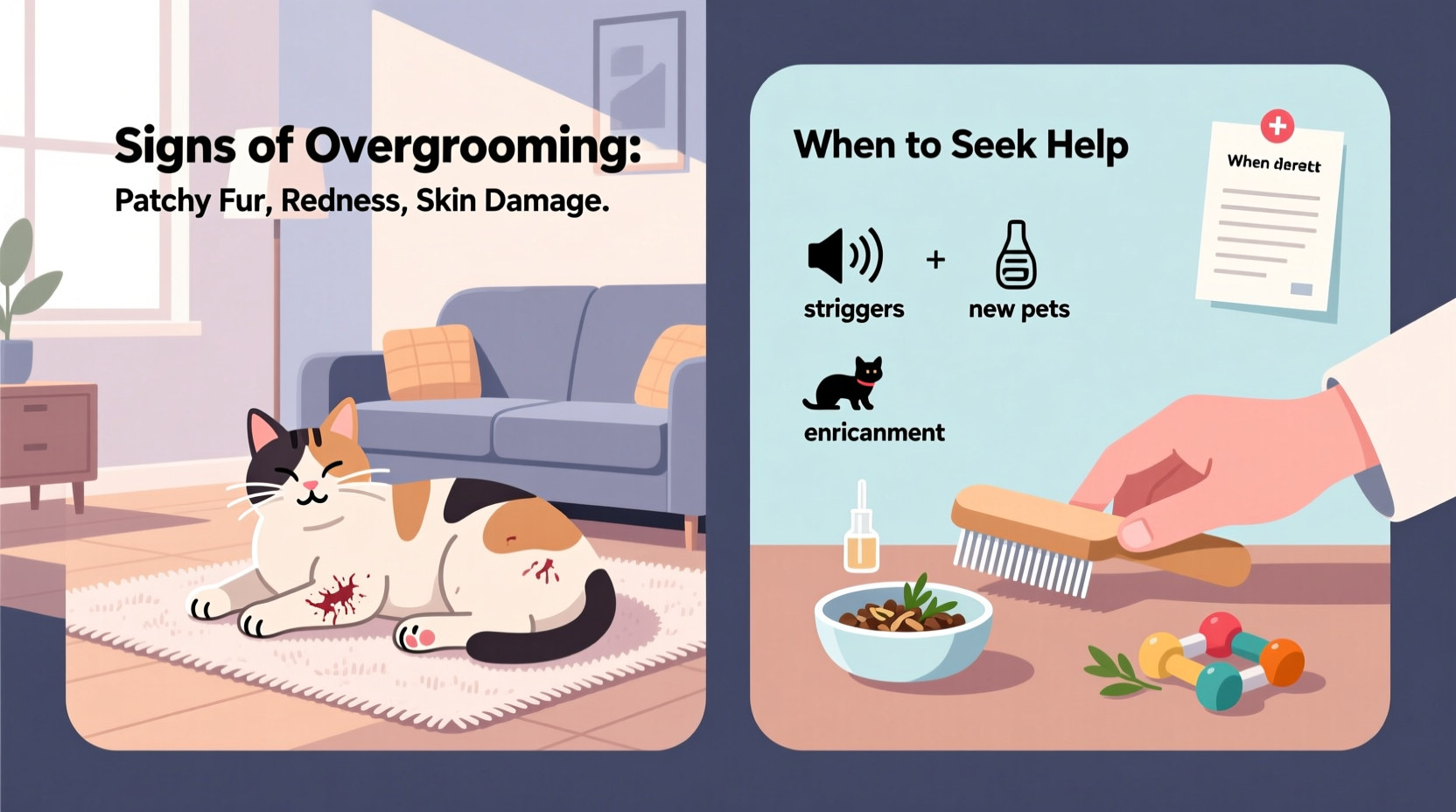
All cats groom themselves regularly, typically spending 30% to 50% of their waking hours on grooming behaviors. This includes licking fur, chewing at paws, and cleaning ears. However, overgrooming becomes problematic when it leads to visible thinning, bald patches, or skin damage. The behavior may be localized (such as one flank or leg) or generalized across the body.
Signs of normal grooming:
- Gentle licking after meals or naps
- Quick paw cleaning between activities
- No visible skin irritation or hair loss
- Brief duration, integrated into daily routine
In contrast, overgrooming often involves intense, repetitive licking that lasts for extended periods. Affected cats may obsessively focus on specific areas, especially the inner thighs, belly, or base of the tail—areas easily accessible while seated.
Common Causes of Overgrooming
Overgrooming is a symptom, not a diagnosis. It stems from either medical conditions or behavioral issues—and sometimes both. Identifying the cause is essential for effective treatment.
Medical Triggers
Physical discomfort often prompts cats to lick affected areas. Common medical causes include:
- Allergies: Flea allergy dermatitis, food sensitivities, or environmental allergens (pollen, dust mites) can cause itching.
- Skin infections: Bacterial or fungal infections like ringworm lead to irritation.
- Pain: Arthritis or injuries may prompt licking near painful joints.
- Parasites: Fleas, mites, or lice provoke scratching and licking.
- Hormonal imbalances: Hyperthyroidism or other endocrine disorders can alter skin health.
Behavioral and Environmental Factors
When medical causes are ruled out, stress and anxiety become prime suspects. Cats are sensitive to changes in routine, environment, or social dynamics. Common stressors include:
- New pets or people in the home
- Relocation or renovation
- Lack of stimulation or play
- Conflict with other household cats
- Owner absence or schedule changes
“Overgrooming is often a displacement behavior—a way for cats to cope with anxiety. It starts as a calming mechanism but can escalate into a compulsive habit.” — Dr. Lena Torres, Feline Behavior Specialist, American College of Veterinary Behaviorists
Step-by-Step Guide to Addressing Overgrooming
Resolving overgrooming requires a systematic approach. Follow these steps to identify and treat the issue effectively.
- Observe and document behavior: Keep a log noting when, where, and how long your cat grooms. Include details about environment, recent changes, and any apparent triggers.
- Schedule a veterinary exam: Rule out medical causes with a thorough check-up. Your vet may perform skin scrapings, blood tests, or allergy panels.
- Treat diagnosed conditions: If allergies, parasites, or infections are found, follow prescribed treatments such as antiparasitics, antibiotics, or hypoallergenic diets.
- Address environmental stressors: Evaluate your cat’s living space. Introduce enrichment tools like puzzle feeders, vertical spaces, and consistent routines.
- Modify behavior gradually: Use positive reinforcement to redirect attention. Reward calm behavior with treats or affection.
- Consider anti-anxiety support: In persistent cases, veterinarians may recommend pheromone diffusers (like Feliway), supplements (e.g., L-theanine), or prescription medications.
Checklist: What to Do When You Suspect Overgrooming
Use this checklist to take immediate, constructive action:
- ✅ Inspect your cat’s coat for bald spots, redness, scabs, or rashes
- ✅ Check for fleas or flea dirt using a fine-tooth comb
- ✅ Review recent changes in household routine or environment
- ✅ Record grooming episodes (time, location, duration)
- ✅ Schedule a vet visit to rule out medical causes
- ✅ Provide mental stimulation: rotate toys, add climbing shelves, engage in daily play
- ✅ Introduce calming aids like pheromone diffusers or quiet retreat spaces
- ✅ Avoid sudden changes in diet or litter unless medically advised
Do’s and Don’ts of Managing Overgrooming
| Do’s | Don’ts |
|---|---|
| Seek veterinary advice early | Assume it’s “just a habit” without medical evaluation |
| Provide structured play sessions (10–15 min, 2x/day) | Ignore signs of hair loss or skin damage |
| Use gentle brushing to reduce shedding and bonding | Shave your cat without vet consultation |
| Create safe zones with hiding spots and elevated perches | Yell at or isolate your cat for overgrooming |
| Maintain consistent feeding and interaction schedules | Introduce multiple changes at once (e.g., new pet + new food) |
Real-Life Example: Luna’s Recovery from Stress-Induced Overgrooming
Luna, a 4-year-old domestic shorthair, began losing fur along her abdomen and legs after her owners adopted a second cat. Initially, they assumed she had fleas and tried over-the-counter treatments. When the bald patches worsened, they visited a veterinarian who found no parasites or infection. A behaviorist was consulted, and it became clear Luna was stressed by territorial competition.
The family implemented several changes: separate feeding stations, additional litter boxes, and scheduled one-on-one playtime for Luna. They installed a Feliway diffuser and created a quiet upstairs sanctuary just for her. Within six weeks, Luna’s grooming decreased significantly, and her coat began to regrow. By addressing both environmental stress and emotional needs, her behavior normalized without medication.
Frequently Asked Questions
Can overgrooming heal on its own?
Rarely. While mild stress-related grooming might improve with environmental adjustments, most cases require intervention. Left untreated, overgrooming can lead to secondary infections, chronic pain, and entrenched behavioral patterns.
Is it safe to use an Elizabethan collar (cone)?
Cones should be used only under veterinary guidance and for short durations. While they prevent licking, they can increase stress and hinder normal movement. Alternatives like soft recovery collars or medical pet shirts may be more comfortable and effective.
How long does it take to see improvement?
With proper treatment, behavioral improvements often appear within 3–6 weeks. Full coat regrowth may take 2–4 months, depending on severity and the cat’s age and health.
Take Action for Your Cat’s Comfort and Health
Overgrooming is more than a cosmetic concern—it’s a signal that something is off in your cat’s world. Whether rooted in physical discomfort or emotional stress, this behavior demands compassionate attention. By combining veterinary care with thoughtful environmental management, you can help your cat regain balance and live comfortably. Start today by observing your cat’s habits, consulting your vet, and creating a calmer, enriched home. Your proactive care makes all the difference.




 浙公网安备
33010002000092号
浙公网安备
33010002000092号 浙B2-20120091-4
Comments
No comments yet. Why don't you start the discussion?