
HIV remains a significant public health concern worldwide, but early detection has transformed it from a fatal diagnosis into a manageable chronic condition. Recognizing the initial symptoms and knowing when to get tested can dramatically improve long-term outcomes. Unlike many infections, HIV often mimics common illnesses in its earliest stages, making awareness crucial. This guide outlines the key signs, timelines, and actions individuals should take if they suspect exposure.
Understanding Acute HIV Infection
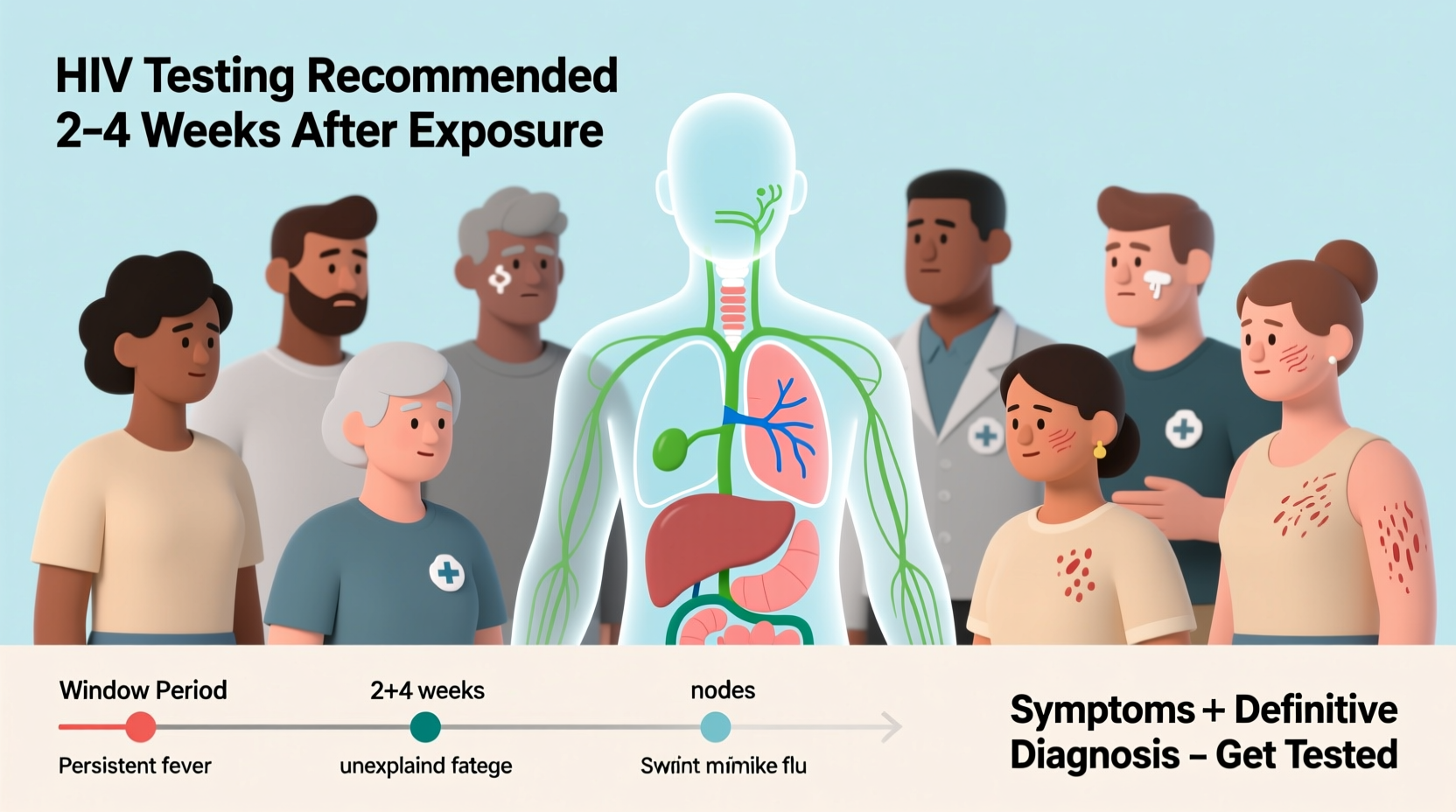
Within 2 to 4 weeks after contracting HIV, many people experience a flu-like illness known as acute retroviral syndrome (ARS). This phase occurs as the virus rapidly replicates in the body and the immune system begins to respond. Not everyone develops noticeable symptoms, but for those who do, the experience can range from mild discomfort to severe fatigue and fever.
The most common early symptoms include:
- Fever
- Fatigue
- Sore throat
- Swollen lymph nodes (especially in the neck and armpits)
- Rash (typically flat, red, and non-itchy)
- Muscle and joint pain
- Headache
- Mouth ulcers
These symptoms are easily mistaken for other viral infections like the flu or mononucleosis. What distinguishes them is their onset shortly after a potential exposure—such as unprotected sex, shared needles, or a needlestick injury. The presence of multiple symptoms together increases suspicion, though only testing can confirm HIV.
Symptom Timeline and Window Periods
The progression from infection to detectable antibodies varies by individual and test type. Understanding this timeline helps determine the right time to test.
| Time After Exposure | Biological Event | Test Type That Detects |
|---|---|---|
| 2–4 weeks | Acute symptoms may appear; virus is highly transmissible | NAT (Nucleic Acid Test) – detects virus directly |
| 3–4 weeks | Antigen (p24) becomes detectable | Antigen/Antibody (lab-based) test |
| 4–6 weeks | Antibodies develop in most people | Antigen/Antibody (rapid test), Antibody-only tests |
| Up to 3 months | Final window for late seroconverters | All standard tests considered conclusive |
A negative test within the first few weeks does not rule out HIV if exposure was recent. Retesting after the appropriate window period is essential for accuracy.
When to Seek Testing: Clear Indicators
Testing is the only way to know your status. Certain situations strongly warrant an HIV test, regardless of symptoms:
- Unprotected vaginal or anal sex with a partner whose HIV status is unknown or positive.
- Sharing needles or syringes, including for tattoos, piercings, or drug use.
- Diagnosis of another sexually transmitted infection (STI), such as syphilis, gonorrhea, or chlamydia.
- Pregnancy—routine screening protects both mother and baby.
- Exposure through occupational risk, like a healthcare worker experiencing a needlestick injury.
Even without symptoms, testing should be part of regular preventive care for sexually active adults, especially those with multiple partners or in communities with higher HIV prevalence.
“Early diagnosis is one of the most powerful tools we have. Starting treatment early preserves immune function and prevents transmission.” — Dr. Lena Patel, Infectious Disease Specialist, Johns Hopkins Medicine
Step-by-Step Guide to Getting Tested
If you suspect possible exposure, follow these steps to ensure accurate results and timely care:
- Assess your risk: Reflect honestly on recent behaviors—unprotected sex, needle sharing, or STI diagnoses.
- Choose the right test: Visit a clinic for a lab-based antigen/antibody test, or use an FDA-approved home test kit. For very recent exposures (within 1–2 weeks), ask about NAT testing.
- Get tested at the right time: Wait at least 18 days for antigen/antibody lab tests, or 3 months for full certainty with antibody-only methods.
- Follow up appropriately: A reactive (preliminary positive) result requires confirmatory testing. A negative result during the window period may need retesting.
- Link to care immediately if positive: Modern antiretroviral therapy (ART) can suppress the virus to undetectable levels, protecting health and preventing transmission.
Mini Case Study: Alex’s Experience
Alex, a 29-year-old graphic designer, noticed persistent fatigue, a low-grade fever, and a rash across his chest two weeks after a casual encounter with a new partner. He initially dismissed it as stress or allergies. When swollen glands persisted beyond a week, he recalled the encounter and decided to get tested. His rapid HIV test came back reactive. Confirmatory lab testing confirmed acute HIV infection.
Because Alex sought help early, his provider started antiretroviral therapy within days. Within three months, his viral load became undetectable. “I didn’t think I was at risk,” Alex said later. “But catching it early meant I could protect my health—and others—right away.”
Common Misconceptions About Early HIV
Several myths delay testing and fuel stigma:
- Myth: “You would know if you had HIV.”
Fact: Up to 1 in 7 people with HIV are unaware they’re infected, often because symptoms are mild or absent. - Myth: “HIV only affects certain groups.”
Fact: Anyone can contract HIV through exposure, regardless of gender, sexuality, or background. - Myth: “Symptoms must last for weeks.”
Fact: Early symptoms may resolve in just a few days, but the virus remains active.
Education and routine testing break down these barriers, enabling earlier intervention.
Checklist: What to Do If You Suspect HIV Exposure
- ✅ Recall the date and nature of potential exposure
- ✅ Monitor for flu-like symptoms in the 2–4 week window
- ✅ Avoid risky behaviors that could spread HIV
- ✅ Contact a healthcare provider or local clinic for guidance
- ✅ Schedule an antigen/antibody test at the appropriate time
- ✅ Prepare for follow-up testing if needed
- ✅ Seek emotional support—counseling or peer groups can help
FAQ
Can you have HIV and not show any symptoms?
Yes. Some people experience no symptoms during acute infection. Others may remain asymptomatic for years while the virus damages the immune system silently. Regular testing is essential for early detection.
How soon after exposure should I get tested?
Most experts recommend an antigen/antibody test 3–4 weeks after exposure. For complete assurance, retest at 3 months. If you're concerned about very recent exposure, discuss Nucleic Acid Testing (NAT) with your provider.
What happens if HIV is left untreated?
Without treatment, HIV gradually weakens the immune system, leading to AIDS—the most advanced stage. This increases vulnerability to opportunistic infections and cancers. Early treatment prevents progression and allows near-normal life expectancy.
Conclusion
Recognizing the early signs of HIV isn’t about self-diagnosis—it’s about awareness and action. Fever, fatigue, rash, and swollen glands may seem ordinary, but when linked to a potential exposure, they signal the need for prompt testing. With modern medicine, an HIV diagnosis no longer defines a person’s future. What matters most is timing: the sooner you know, the sooner you can act.




 浙公网安备
33010002000092号
浙公网安备
33010002000092号 浙B2-20120091-4
Comments
No comments yet. Why don't you start the discussion?