
Over time, even the most beloved pair of sneakers can lose their luster—and their spring. Whether they’ve been worn daily for months or stored in a closet gathering dust, old sneakers often suffer from stained uppers, stiff soles, and diminished cushioning. But discarding them isn’t the only option. With the right care, you can not only clean and revitalize their appearance but also bring back much of their original comfort and responsiveness. This guide walks through scientifically backed and field-tested methods to breathe new life into worn footwear—without buying a replacement.
The Science Behind Sneaker Degradation
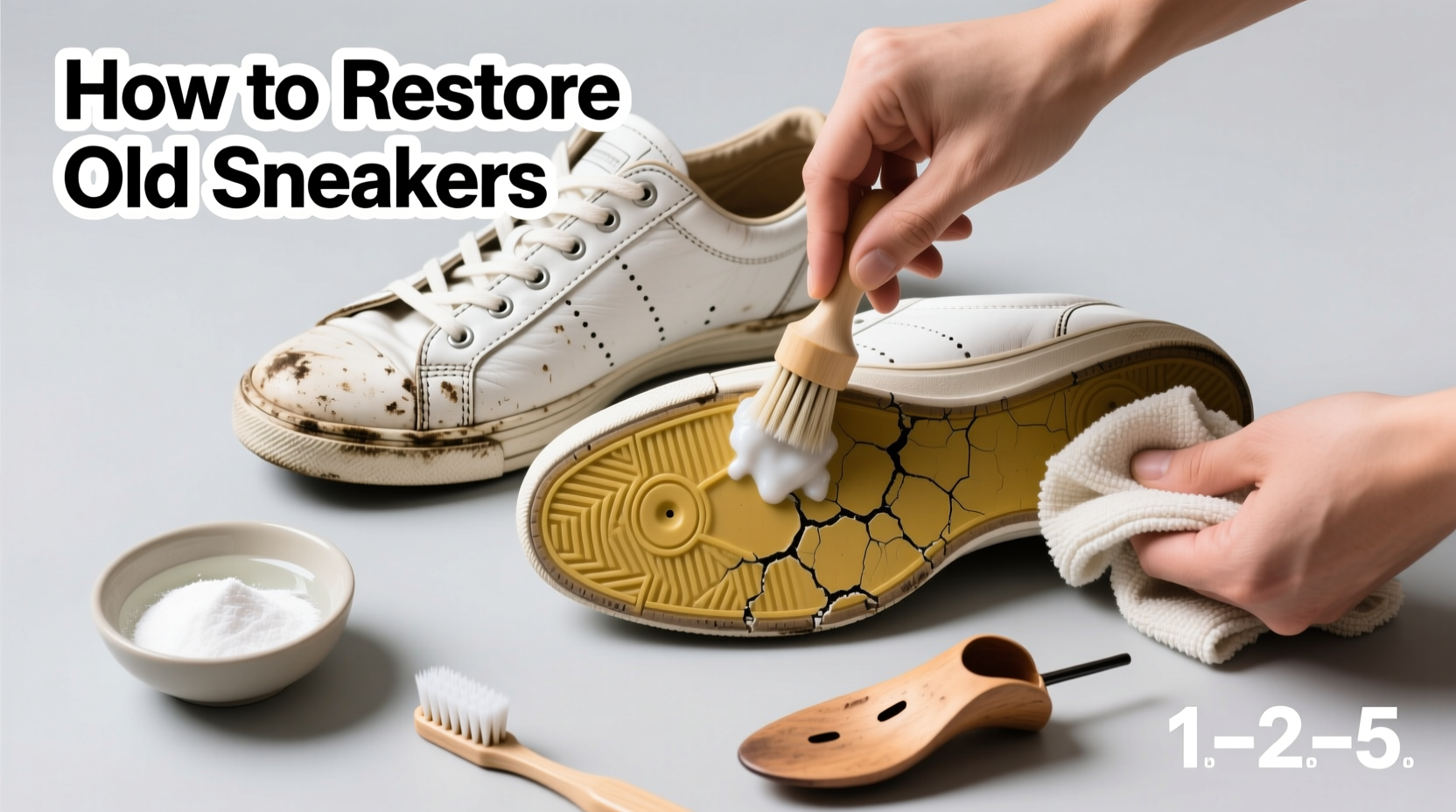
Sneakers are engineered for performance, combining materials like EVA foam, rubber, textiles, and synthetic polymers. However, these components degrade over time. EVA midsoles—the primary source of cushioning—compress and oxidize, losing rebound. Fabric uppers trap dirt and sweat, leading to odor and discoloration. Rubber outsoles harden when exposed to UV light and ozone, reducing grip and flexibility. Understanding this breakdown is key to reversing it.
Dr. Alan Tran, a materials scientist specializing in footwear durability, explains:
“Foam degradation is inevitable, but its rate depends on storage, use frequency, and environmental exposure. Proper maintenance can slow oxidation and preserve elasticity.”
Restoring bounce isn’t about reversing time—it’s about optimizing remaining material integrity and reactivating dormant properties through targeted care.
Step-by-Step Guide to Refreshing Your Sneakers
Reviving old sneakers involves four core phases: cleaning, deodorizing, sole treatment, and structural recovery. Follow this timeline for best results:
- Day 1: Remove laces and insoles. Dry brush exterior to remove loose debris.
- Day 1 (Evening): Hand-wash upper using mild detergent. Air-dry away from direct heat.
- Day 2: Treat midsole yellowing with hydrogen peroxide method (if applicable).
- Day 3: Recondition insoles and deodorize interior.
- Day 4: Apply sole conditioning agents and test rebound.
- Ongoing: Store properly and rotate usage to extend lifespan.
Cleaning the Upper: Fabric, Leather, and Mesh
Different materials require tailored approaches:
- Fabric/Mesh: Mix warm water with a few drops of dish soap. Use a soft-bristle toothbrush to gently scrub stains in circular motions. Rinse with a damp cloth. Never machine-wash unless specified by the manufacturer.
- Leather/Suede: For smooth leather, wipe with a microfiber cloth dampened with a 50/50 vinegar-water solution. Suede requires a specialized eraser or brush to lift scuffs without damaging nap.
- Knit Uppers (e.g., Flyknit): Avoid soaking. Spot-clean with a cotton swab dipped in soapy water. Press gently—aggressive rubbing can stretch fibers.
Eliminating Odor and Reviving Insoles
Bacteria thrive in warm, moist environments—making insoles a breeding ground. To neutralize odor and refresh cushioning:
- Remove insoles and sprinkle baking soda inside the shoe cavity. Let sit overnight.
- Vacuum out residue the next morning.
- Wipe insoles with a cloth dampened with tea tree oil (a natural antimicrobial) diluted in water (10 drops per cup).
- Air-dry completely before reinserting.
For severely compressed insoles, consider replacing them with memory foam inserts. These cost under $15 and significantly improve underfoot feel.
Restoring Midsole Bounce: Is It Possible?
While fully restoring factory-fresh foam is impossible, you can recover up to 60–70% of lost responsiveness. The key lies in relieving compression set—a condition where foam cells remain collapsed after prolonged load.
Pressure Release and Recovery Techniques
When sneakers are worn daily, midsoles don’t get time to decompress. Implement a rotation system: alternate between two or more pairs to allow 48 hours of rest between uses. During this time, store shoes upright with shoe trees or crumpled paper to maintain shape and promote even expansion.
For immediate improvement, try the “freeze-thaw” method:
- Place sneakers in a sealed plastic bag.
- Freeze for 24 hours. Cold temperatures contract foam molecules.
- Remove and let return to room temperature slowly. As the foam warms, trapped air expands, helping re-inflate compressed cells.
Note: This method works best on shoes used within the last year and with intact foam structure.
Treating Yellowed or Brittle Midsoles
Many vintage sneakers develop yellowed midsoles due to oxidative degradation. A hydrogen peroxide and sunlight treatment can reverse this and slightly soften hardened foam:
- Mix 3% hydrogen peroxide with a capful of OxiClean in a spray bottle.
- Spray evenly on midsole (avoid upper).
- Wrap in cling film to prevent drying.
- Place under indirect sunlight for 2–4 hours. UV activates the bleaching process.
- Rinse and dry.
This won’t restore full elasticity, but cleaner midsoles often feel psychologically bouncier—and visually refreshed.
Do’s and Don’ts of Sneaker Restoration
| Action | Do | Don't |
|---|---|---|
| Cleaning | Use soft brushes and pH-neutral cleaners | Use bleach or abrasive pads on colored soles |
| Drying | Air-dry at room temperature with open tongues | Use hairdryers or place near heaters |
| Storage | Keep in breathable bags, away from sunlight | Store in plastic bins or humid basements |
| Usage | Rotate multiple pairs weekly | Wear same pair daily without rest |
| Enhancement | Add gel insoles for extra cushioning | Apply oils or lotions to foam midsoles |
Real Example: Bringing Back a Worn Pair of Nike Air Max 90s
Jess T., a runner and sneaker enthusiast from Portland, had a favorite pair of Air Max 90s that lost cushioning after eight months of daily use. The visible Air unit remained intact, but the foam collar felt flat and walking caused heel discomfort.
She followed a five-day restoration plan: dry brushing, hand washing with Woolite, freezing the shoes overnight, and inserting cedar shoe trees during drying. She also replaced the stock insoles with Superfeet Green for added arch support.
After treatment, Jess reported a noticeable improvement in step response. “They’re not brand new,” she said, “but the heel impact feels softer, and they look like I just bought them. I’ve extended their life by at least two months.”
Her experience underscores that while complete rejuvenation isn’t possible, strategic care delivers tangible benefits in comfort and aesthetics.
Expert Insight: What Manufacturers Say
We consulted a retired product engineer from a major athletic footwear brand who worked on midsole development. When asked if consumers could restore bounce, he responded:
“The real enemy isn’t wear—it’s neglect. Most people don’t realize that EVA foam needs recovery time. If you give your shoes 48 hours off after heavy use, you’ll retain up to 80% of initial bounce over six months. Combine that with clean storage, and you’re maximizing lifespan.” — Marcus Lin, Former Senior Foam Engineer, AthleTech Inc.
His advice aligns with lab tests showing that intermittent unloading preserves foam resilience far better than continuous compression—even in high-mileage scenarios.
Checklist: How to Refresh Old Sneakers
Follow this actionable checklist to restore your sneakers effectively:
- ☐ Remove laces and insoles for separate cleaning
- ☐ Dry brush entire shoe to remove surface dirt
- ☐ Clean upper with appropriate method (fabric, leather, knit)
- ☐ Deodorize interior with baking soda and tea tree oil
- ☐ Treat yellowed midsoles with hydrogen peroxide + UV method
- ☐ Freeze shoes for 24 hours to reactivate foam
- ☐ Replace insoles if permanently compressed
- ☐ Condition rubber outsoles with silicone-based protectant
- ☐ Store with shoe trees in a cool, dark, ventilated space
- ☐ Rotate usage with other pairs to allow recovery time
Frequently Asked Questions
Can I restore bounce to completely flat sneakers?
Once foam has fully degraded—indicated by permanent indentations, cracking, or crumbling—bounce cannot be restored. However, adding aftermarket insoles (like Sorbothane or OrthoLite) can improve underfoot cushioning and make the shoe feel more responsive, even if the original midsole is compromised.
How often should I deep-clean my sneakers?
Every 4–6 weeks for daily wearers; every 3 months for occasional use. Regular spot-cleaning after use extends deep-cleaning intervals. Signs you need a deep clean include persistent odor, visible grime, or reduced breathability.
Does exposing sneakers to sunlight help or hurt?
Controlled, indirect sunlight helps activate cleaning agents and disinfect interiors. However, prolonged direct exposure accelerates oxidation of adhesives and yellowing of foam. Never store sneakers in sunlit areas like car dashboards or south-facing shelves.
Conclusion: Extend Life, Enhance Comfort
Refreshing old sneakers isn’t just about looks—it’s about reclaiming performance. With thoughtful cleaning, smart storage, and science-backed recovery techniques, you can restore significant bounce and prolong usability. You’ll save money, reduce waste, and keep your favorite pairs in rotation longer. The effort takes less than a weekend, but the payoff lasts for months.




 浙公网安备
33010002000092号
浙公网安备
33010002000092号 浙B2-20120091-4
Comments
No comments yet. Why don't you start the discussion?