
Accidentally dripping candle wax on your carpet is more common than you might think—especially during cozy evenings or holiday gatherings. While wax may seem harmless at first, it can quickly become a stubborn stain if not handled correctly. The biggest mistake people make? Applying heat too soon, which melts the wax further into the carpet fibers and sets the stain. The key is to remove the wax while keeping it solid, lifting it mechanically before any cleaning agents are introduced. With the right approach, even thick layers of wax can be removed safely, preserving both the appearance and integrity of your carpet.
Understanding the Problem: Why Heat Makes It Worse
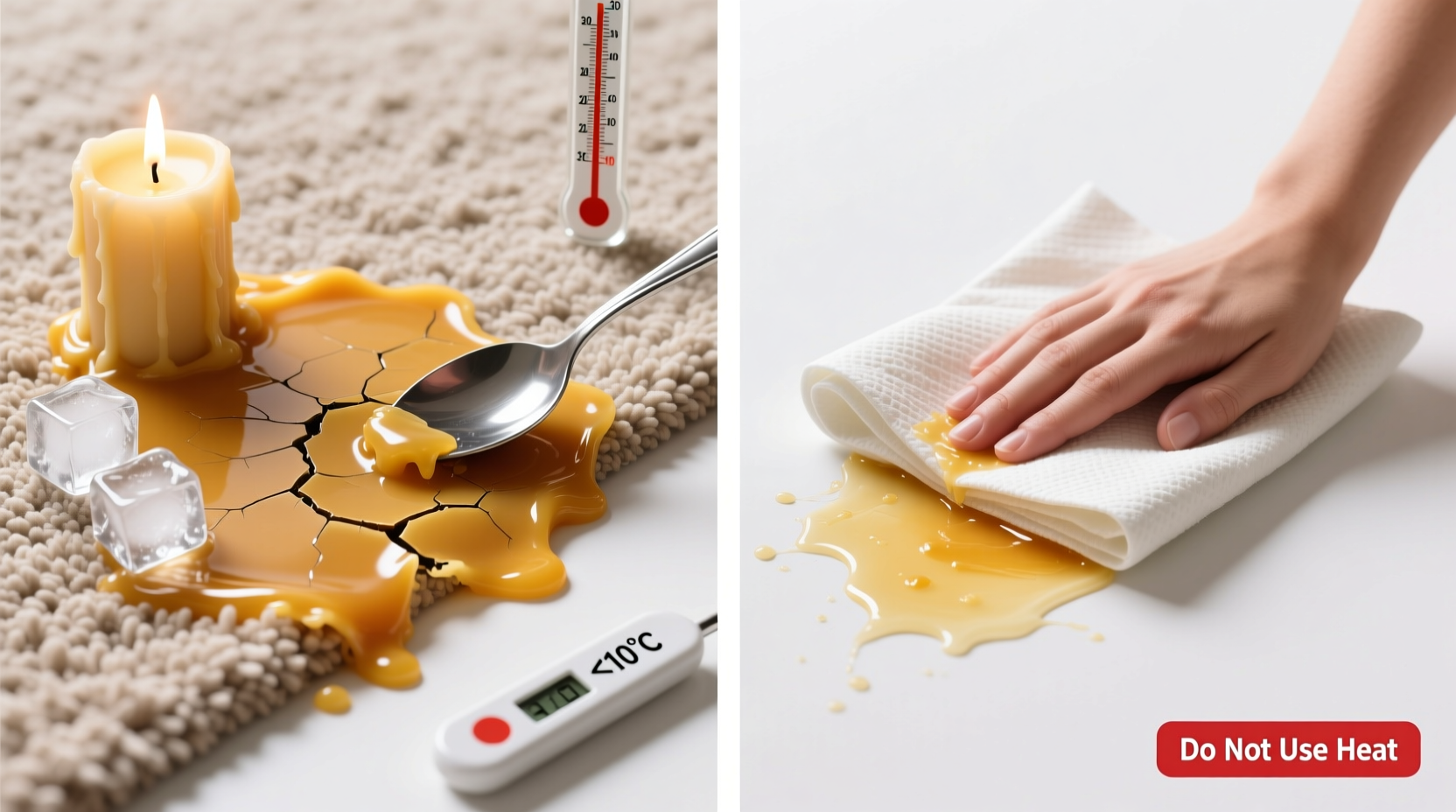
Wax is designed to melt. When exposed to heat—whether from an iron, hairdryer, or even warm water—it softens and spreads. On a hard surface like wood or tile, this isn’t as much of an issue because wax doesn’t penetrate deeply. But carpets are made of porous, fibrous materials that readily absorb liquids and semi-solids. When melted wax seeps in, it binds with individual strands and can trap dirt, making future cleaning difficult.
The goal isn't to dissolve the wax immediately but to extract as much of the solidified mass as possible before introducing moisture or cleaning solutions. This mechanical removal prevents deep penetration and reduces the need for aggressive scrubbing later.
“Attempting to steam or heat wax out of carpet often leads to a larger, more permanent stain. Always start cold.” — Dr. Lena Peterson, Textile Restoration Specialist
Step-by-Step Guide: Safe Wax Removal Without Melting
Follow this structured method to lift candle wax from your carpet effectively and safely. This process prioritizes physical removal over chemical or thermal intervention, minimizing risk to your flooring.
- Cool the wax (if necessary): If the wax is still soft or warm, place a few ice cubes in a plastic bag and apply them directly to the spot for 10–15 minutes. This hardens the wax, making it easier to scrape off.
- Scrape off the bulk: Using a dull butter knife or plastic scraper (like a gift card), gently lift the hardened wax from the surface. Work from the outer edges inward to avoid pushing residue deeper. Do not press too hard—this could damage carpet fibers.
- Vacuum residual fragments: After removing the main chunk, use a vacuum with a brush attachment to pick up small pieces. Run the nozzle lightly over the area to avoid fraying the pile.
- Apply absorbent paper technique: Place two or three layers of plain white paper towels over the remaining wax film. Set a dry iron on low heat and gently press it over the paper for 10 seconds at a time. The heat will slightly soften the wax just enough for it to transfer into the paper. Lift the paper after each pass and replace it if saturated.
- Treat any oily residue: Once no more wax transfers, mix one teaspoon of dish soap with one cup of warm water. Dab the solution onto the area with a clean cloth, then blot with a dry towel. Avoid rubbing, which can spread the stain.
- Rinse and dry: Blot the area with a damp cloth to remove soapy residue, then dry thoroughly with a towel. Use a fan or open window to speed up drying and prevent mildew.
Do’s and Don’ts of Carpet Wax Removal
| Do’s | Don’ts |
|---|---|
| Use ice to harden fresh or soft wax | Apply direct heat without scraping first |
| Scrape gently with a plastic tool | Use sharp objects like box cutters |
| Blot stains—never rub | Rub aggressively, which spreads wax |
| Use white paper towels with iron | Use printed or dyed paper |
| Vacuum between steps | Skip vacuuming; leftover particles re-stick |
| Test cleaning solutions on hidden areas | Assume all carpets react the same way |
Real Example: A Holiday Spill Saved in Time
Sarah hosted a winter dinner party and placed several taper candles on her living room coffee table. Midway through dessert, one tipped over, spilling a thick pool of red wax across her beige wool-blend carpet. Panicked, she nearly grabbed a hairdryer—but remembered reading about the risks of heat. Instead, she placed an ice pack over the wax for 15 minutes. Once hardened, she used a credit card to lift most of the wax. She followed up with the paper-towel-and-iron method, changing the paper five times until no more wax transferred. A final dab with soapy water removed the faint oily ring. Within 45 minutes, the carpet was clean, with no sign of damage. Sarah later said, “I thought I’d ruined my favorite rug. Going slow and staying cool saved it.”
Alternative Methods and Their Risks
While the ice-and-scrape method is safest, some alternative approaches exist. However, they carry greater risk and should only be used when standard techniques fail or aren’t feasible.
- Freezer method: For large rugs that can be moved, placing the entire piece in a freezer overnight fully solidifies wax for easier removal. Not practical for wall-to-wall carpeting.
- Commercial wax dissolvers: Products containing citrus-based solvents can break down wax residue. Always test in an inconspicuous area first, as some formulas discolor synthetic fibers.
- Steam cleaning: Only consider after all visible wax is gone. Steam can reactivate trapped wax, so professional equipment with precise temperature control is recommended.
Enzyme-based carpet cleaners are sometimes marketed for wax, but they’re designed for organic matter like food or pet stains—not hydrocarbons like paraffin. They offer little benefit and may leave residues that attract dirt.
Prevention Tips for Future Candle Use
Once you’ve cleaned up a wax spill, taking preventive measures can save time and stress down the line.
- Always place candles on heat-resistant trays or plates, never directly on furniture near carpet edges.
- Trim wicks to ¼ inch before lighting to reduce flickering and dripping.
- Avoid placing candles in high-traffic areas or where pets and children might knock them over.
- Use pillar candles instead of tapers when possible—they’re less likely to tip and drip excessively.
- Consider flameless LED candles for ambiance without risk.
“The best stain treatment is prevention. A well-placed candle eliminates 90% of wax accidents.” — Marcus Tran, Home Safety Consultant
Frequently Asked Questions
Can I use a hairdryer to soften wax for removal?
No. Hairdryers distribute heat unevenly and almost always push wax deeper into carpet fibers. The controlled, brief exposure from an iron over paper towels is safer and more targeted. Even then, only use this method after physically removing the bulk of the wax.
What if the wax has already been heated and spread?
If prior attempts have melted the wax deeper, allow the area to cool completely. Then, treat it as a greasy stain: apply a mixture of dish soap and warm water, blot thoroughly, and follow with a vinegar rinse (one part white vinegar to two parts water) to cut through oil residue. Repeat as needed, then dry completely.
Will freezing the carpet damage it?
No—brief exposure to cold won’t harm carpet fibers. In fact, cold strengthens brittle substances like dried wax, making them easier to break apart and remove. Just avoid prolonged freezing of wet carpet, which could promote mold if not dried properly afterward.
Final Checklist: Removing Wax Safely
- ✔️ Assess the spill: Is the wax fresh, hardened, or partially melted?
- ✔️ Chill the wax with ice if soft
- ✔️ Scrape off as much solid wax as possible
- ✔️ Vacuum loose fragments
- ✔️ Use paper towels and a low-heat iron to absorb residual wax
- ✔️ Clean with mild detergent solution
- ✔️ Rinse and blot dry
- ✔️ Inspect under natural light to confirm complete removal
Conclusion: Act Quickly, Stay Cool, and Protect Your Floors
Removing candle wax from carpet doesn’t require special chemicals or expensive tools—just patience and the right sequence of actions. By resisting the urge to apply heat immediately, you protect your carpet from irreversible staining. Cooling, scraping, and absorbing are the pillars of effective wax removal. Whether it’s a small drip or a full pool, following these steps gives you the best chance of a full recovery. Most importantly, learn from each incident: position candles more carefully, use protective bases, and keep a simple cleanup kit handy. With smart habits and informed techniques, your carpets can stay pristine—even in the coziest, candle-lit homes.




 浙公网安备
33010002000092号
浙公网安备
33010002000092号 浙B2-20120091-4
Comments
No comments yet. Why don't you start the discussion?