
Ink stains are among the most frustrating mishaps when it comes to clothing and household fabrics. Whether it's a leaky pen in your pocket or a child’s art project gone awry, ink can quickly spread and set into fibers, making removal seem impossible. However, one of the most accessible and effective solutions is already in many medicine cabinets: rubbing alcohol. When used correctly, rubbing alcohol breaks down the solvents in ink, lifting the stain from fabric without damaging the material. This guide walks through proven techniques, safety considerations, and practical applications to help you restore your textiles with confidence.
Why Rubbing Alcohol Works on Ink Stains
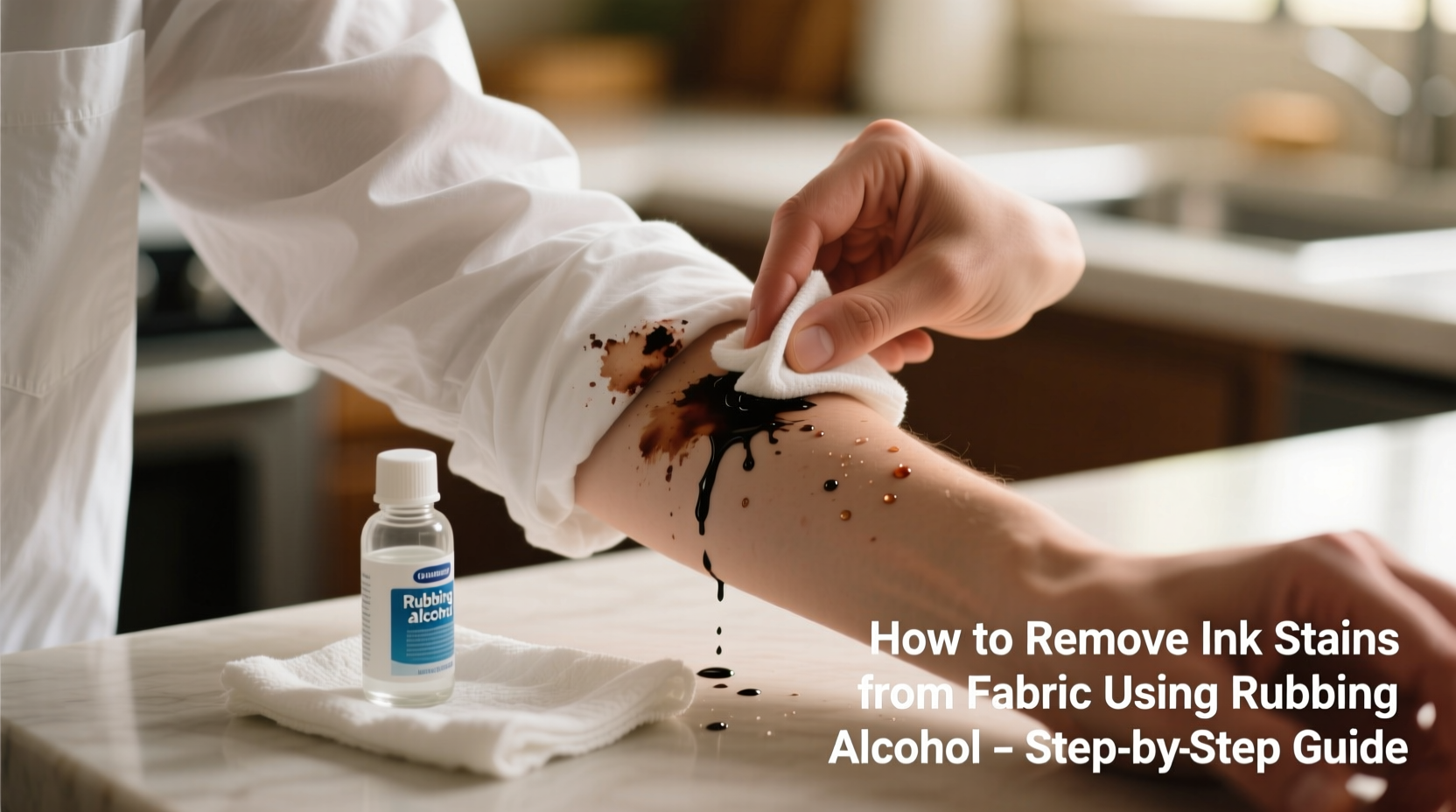
Rubbing alcohol—chemically known as isopropyl alcohol—is a powerful solvent that dissolves non-polar substances like oils, resins, and dyes. Most ballpoint and gel inks are oil-based or contain dye suspended in a solvent, which makes them particularly vulnerable to alcohol-based breakdown. Unlike water, which often spreads ink further, rubbing alcohol penetrates the fabric and loosens the ink molecules, allowing them to be lifted during blotting or washing.
The key lies in alcohol’s volatility. It evaporates quickly, carrying the dissolved ink with it when properly blotted. This property makes it ideal for spot treatment before laundering. However, effectiveness depends on several factors: fabric type, ink composition, time elapsed since staining, and application method.
Step-by-Step Guide to Removing Ink Stains with Rubbing Alcohol
Immediate action significantly increases your chances of complete stain removal. Follow this detailed process for optimal results:
- Blot, don’t rub: As soon as the stain occurs, gently blot excess ink with a clean, dry paper towel. Avoid rubbing, which pushes ink deeper into fibers.
- Lay the fabric flat: Place the stained item on a clean, absorbent surface such as a stack of paper towels or a white cloth. Position the stain face-up and ensure no layers are folded over it.
- Apply rubbing alcohol carefully: Dampen a cotton ball, swab, or clean white cloth with 70% isopropyl alcohol. Gently dab the stain starting from the outer edges and moving inward to prevent spreading.
- Blot from the back: For better extraction, place another stack of paper towels beneath the fabric and apply alcohol from the front. The ink will transfer onto the backing layer as it dissolves.
- Repeat until ink lifts: Continue applying and blotting every few minutes. Replace soaked paper towels frequently to avoid re-depositing ink.
- Rinse with cold water: Once the stain is visibly reduced or gone, rinse the area under cold running water to flush out residual alcohol and ink.
- Wash normally: Launder the garment according to its care label. Use the warmest water safe for the fabric, along with regular detergent. Air-dry initially to confirm the stain is fully removed—heat from a dryer can set any remaining traces.
If the stain persists after washing, repeat the alcohol treatment before drying. Never place the item in the dryer until the stain is completely gone.
Fabric Compatibility and Safety Precautions
Not all fabrics react well to rubbing alcohol. While it’s generally safe for cotton, polyester, nylon, and blends, delicate materials like silk, acetate, or rayon may experience discoloration or fiber weakening. Always perform a patch test in an inconspicuous area (e.g., inside seam) and wait five minutes to observe any adverse reactions.
Additionally, consider these safety guidelines:
- Work in a well-ventilated space—rubbing alcohol emits strong fumes.
- Avoid open flames or sparks; alcohol is highly flammable.
- Wear gloves if you have sensitive skin, as prolonged exposure can cause dryness or irritation.
- Keep away from children and pets during use.
“Rubbing alcohol is one of the most underrated household stain removers. Its ability to dissolve ink without harsh bleaching makes it a go-to for quick interventions.” — Dr. Lena Peterson, Textile Chemist at the American Cleaning Institute
Do’s and Don’ts When Using Rubbing Alcohol on Fabric
| Do’s | Don’ts |
|---|---|
| Test on a hidden area first | Use undiluted alcohol on delicate fabrics |
| Blot gently with a clean cloth | Rub aggressively, which spreads the stain |
| Use fresh cotton balls or swabs for each pass | Reuse contaminated applicators |
| Place absorbent material underneath the stain | Apply alcohol and leave it sitting for long periods |
| Wash the fabric afterward to remove residue | Put treated clothes in the dryer before confirming stain removal |
Real-Life Example: Saving a Work Shirt After a Pen Explosion
James, a financial analyst, once had a black gel pen burst in his shirt pocket during a client meeting. By the time he noticed, ink had seeped through two layers of his dress shirt, creating a large smear across the chest. He waited until returning home and immediately laid the shirt flat on his kitchen counter, placing paper towels inside and outside the stain.
Using 70% isopropyl alcohol and cotton pads, he applied the solution in small dabs, changing pads every few seconds as they absorbed ink. Within ten minutes, the stain had faded by over 80%. He rinsed the area with cold water, then washed the shirt in warm water with enzyme-based detergent. After air-drying, the shirt was nearly indistinguishable from its original state. James now keeps travel-sized rubbing alcohol wipes in his briefcase for emergencies.
This case illustrates how prompt action and correct technique can rescue even formal garments from permanent damage.
Enhancing Results: Combining Alcohol with Other Household Items
While rubbing alcohol alone is effective, pairing it with other common items can boost performance, especially for older or stubborn stains.
- Hydrogen peroxide (3%): After alcohol treatment, apply a small amount of hydrogen peroxide to brighten the area, especially on white fabrics. Rinse thoroughly afterward.
- Dish soap: Mix a drop of liquid dish soap with water and use it after alcohol to break down oily residues left behind.
- Baking soda paste: For thick fabrics like denim, make a paste of baking soda and water, apply after alcohol treatment, and gently scrub with a soft brush before washing.
Note: Do not mix rubbing alcohol with bleach or ammonia—this creates toxic fumes.
Checklist: Quick Reference for Ink Stain Removal
Use this checklist the next time you encounter an ink stain:
- ☐ Blot excess ink gently with a dry paper towel
- ☐ Lay the fabric flat with absorbent material beneath
- ☐ Test rubbing alcohol on a hidden area
- ☐ Apply alcohol with a cotton ball, working from edge to center
- ☐ Blot frequently with clean sections of cloth or paper
- ☐ Repeat until ink stops transferring
- ☐ Rinse thoroughly with cold water
- ☐ Wash according to fabric care instructions
- ☐ Air-dry and inspect before machine drying
- ☐ Re-treat if necessary before final drying
FAQ: Common Questions About Ink Stain Removal
Can I use hand sanitizer instead of rubbing alcohol?
Yes, many hand sanitizers contain 60–70% alcohol and can work in a pinch. However, they often include fragrances, gels, or moisturizers that may leave residue or interact poorly with certain fabrics. If using hand sanitizer, opt for clear, unscented varieties and rinse thoroughly after treatment.
Will rubbing alcohol bleach my clothes?
Pure isopropyl alcohol typically does not bleach fabric, but it can affect dyed materials, especially synthetic dyes. Always test first. Some dark or vibrant colors may fade slightly, so caution is essential. White or light-colored fabrics are safest for treatment.
What if the ink stain has already been washed and dried?
Dried ink is more difficult to remove, but not impossible. Soak the stained area in a mixture of half rubbing alcohol and half water for 15–30 minutes. Agitate gently, then blot. You may need multiple treatments followed by a wash cycle. Enzyme-based laundry boosters can also help break down residual ink proteins.
Conclusion: Act Fast, Treat Right, Save Your Fabrics
Ink stains don’t have to mean the end of a favorite shirt, tablecloth, or upholstery piece. With rubbing alcohol and the right approach, most ink marks can be effectively neutralized before they become permanent. Success hinges on speed, proper technique, and attention to fabric type. By understanding how alcohol interacts with ink and following a systematic process, you empower yourself to handle accidents confidently and efficiently.




 浙公网安备
33010002000092号
浙公网安备
33010002000092号 浙B2-20120091-4
Comments
No comments yet. Why don't you start the discussion?