
Pet ownership brings joy, companionship, and—inevitably—pet hair. Whether it's your golden retriever shedding across the couch or your cat leaving tufts on your favorite sweater, pet hair has a way of embedding itself into fabrics and surfaces. While lint rollers are a common solution, they’re not always available, environmentally friendly, or cost-effective in the long run. The good news is that you don’t need one to keep your home and wardrobe clean. With simple household tools and smart techniques, you can effectively remove pet hair from furniture and clothing—no sticky sheets required.
Why Pet Hair Sticks—and Why It’s Hard to Remove
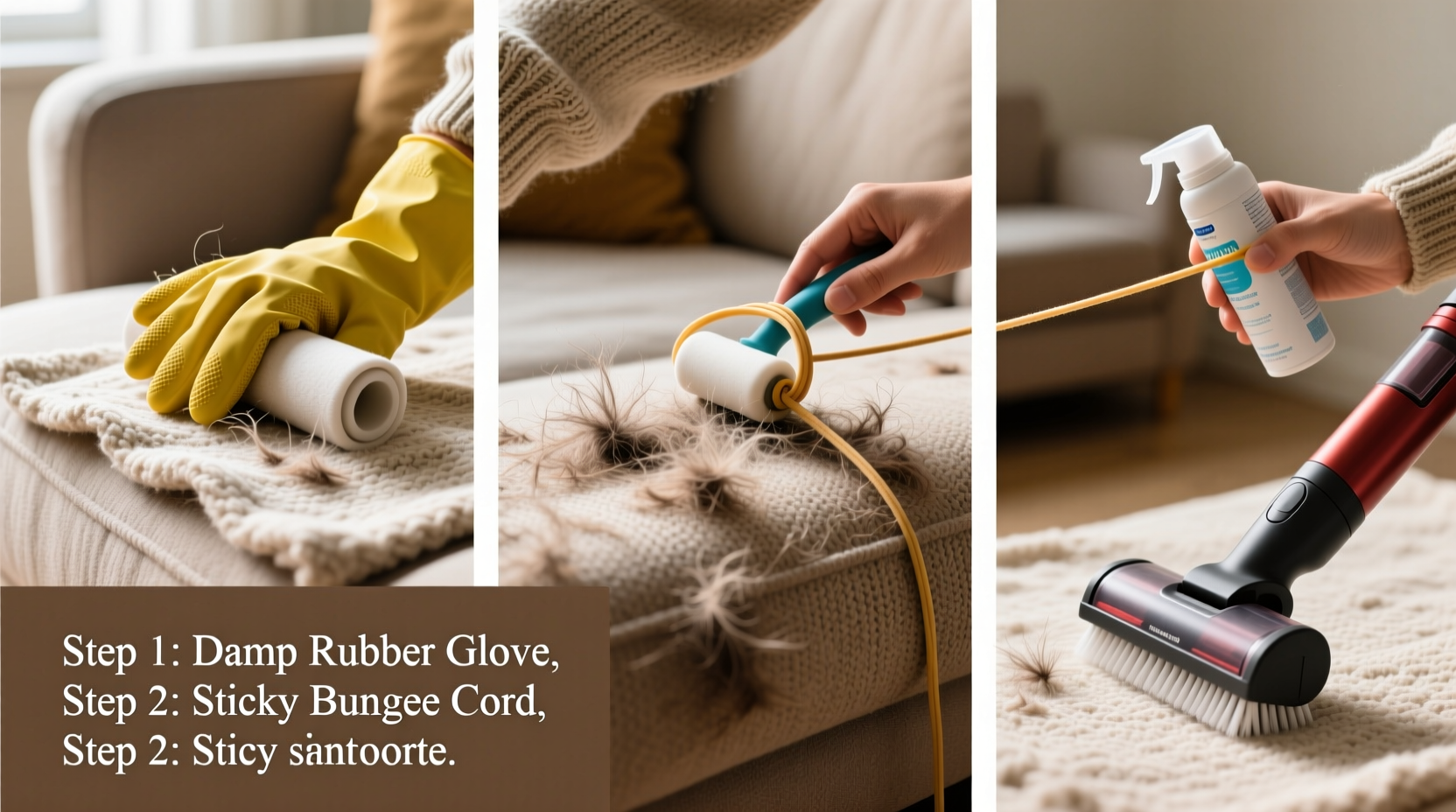
Pet hair, especially from double-coated breeds like huskies or Maine Coons, is designed by nature to insulate and protect. This means it’s often fine, slightly oily, and electrostatically charged, causing it to cling stubbornly to fabrics, upholstery, and even smooth surfaces. Unlike dust or lint, pet hair resists casual brushing and tends to reattach after being disturbed. Traditional cleaning tools like dry cloths or standard vacuums may push hair deeper into fibers rather than lifting it away.
The key to removing pet hair lies in disrupting its grip. Methods that generate moisture, static control, or mechanical agitation tend to work best. Understanding this principle allows you to improvise with what you already have at home.
“Pet hair isn’t just dirt—it’s a combination of protein fibers and natural oils that bond to fabric. Effective removal requires more than suction; it needs surface disruption.” — Dr. Lena Patel, Textile Scientist & Home Cleaning Researcher
Effective Household Tools That Replace Lint Rollers
You likely already own several items capable of lifting pet hair as well as—or better than—a lint roller. The trick is knowing how to use them correctly.
1. Damp Rubber Gloves
One of the most effective and accessible tools is a pair of rubber dishwashing gloves. When dampened slightly, the rubber creates friction that clumps hair together for easy removal.
2. Squeegee (Yes, the Window Kind)
A small window squeegee with a soft rubber edge works surprisingly well on both fabric furniture and clothes. Glide it across the surface in short strokes—the rubber pulls hair into neat piles you can collect by hand.
3. Dryer Sheets
Dryer sheets reduce static, which helps loosen clinging hair. Wipe clothing or furniture with a fresh sheet before using another method to boost effectiveness. For light-duty jobs, a dryer sheet alone may suffice.
4. Sponge (Slightly Damp)
A clean kitchen sponge, lightly moistened, can gather pet hair when dragged across fabric. Use the rough side for textured upholstery and the smooth side for delicate garments.
5. Pumice Stone (Fabric-Safe Type)
Originally used for exfoliating skin, a soft pumice stone designed for fabrics lifts embedded hair from heavy materials like wool coats or corduroy. Gently rub in one direction and brush off residue.
Step-by-Step Guide: Removing Pet Hair from Furniture
Furniture presents a large surface area and varied textures, making pet hair removal a challenge. Follow this systematic approach for best results:
- Prep the Area: Remove cushions and toss any loose blankets or throws into the wash. Vacuum loosely first to lift surface debris.
- Dampen Rubber Gloves: Put on rubber gloves and wet them slightly under running water. Shake off excess moisture.
- Wipe in One Direction: Starting at one end of the sofa, wipe your gloved hand firmly across the fabric. Pet hair will ball up and stick to the rubber.
- Rinse and Repeat: As hair accumulates, rinse the glove under water and continue. Focus on high-contact zones like seat cushions and armrests.
- Use a Squeegee for Large Surfaces: On wide sections like backrests, glide a squeegee to gather remaining hair into edges.
- Final Vacuum Pass: Use an upholstery attachment to capture loosened particles and ensure deep cleanliness.
How to Remove Pet Hair from Clothes Without a Lint Roller
Clothing, especially dark or textured fabrics, shows pet hair prominently. Whether preparing for work or heading out socially, these methods help restore a clean appearance quickly.
Method 1: The Damp Sponge Technique
For sweaters, coats, or pants, lightly dampen a sponge and gently rub it over the garment in one direction. The moisture neutralizes static and lifts hair. Hang the item to air-dry if needed.
Method 2: Dryer Sheet + Hand Wipe
Take a dryer sheet and wipe it over the clothing surface. Then, use your hand to gather clumped hair. This works well for synthetic fabrics prone to static.
Method 3: The Tape Alternative: Packaged Adhesive Wrap
If you have packaging tape or masking tape on hand, wrap a small section around your hand (sticky side out) and dab it onto the fabric. While not a permanent solution, it’s useful in a pinch.
Method 4: Washing with Vinegar
For washable clothes, add half a cup of white vinegar to the rinse cycle. Vinegar breaks down oils in pet hair, helping it detach during washing. Combine with a microfiber laundry bag to trap hair before it clogs your machine.
| Tool | Best For | Limitations |
|---|---|---|
| Damp Rubber Gloves | Sofas, rugs, car seats | Not suitable for delicate silks |
| Window Squeegee | Large fabric areas | May snag loose threads |
| Dryer Sheets | Clothes, light upholstery | Temporary fix; doesn’t remove deeply embedded hair |
| Pumice Stone | Heavy fabrics (coats, blankets) | Avoid on thin or knit materials |
| Vinegar Wash | Machine-washable items | Not for dry-clean-only garments |
Real-Life Example: Sarah’s Shedding Season Challenge
Sarah lives in Minnesota with two Siberian cats known for their luxurious, high-shedding coats. Every spring, her black leather sectional and navy work blazers become overrun with fur. After growing tired of buying disposable lint rollers, she experimented with alternatives. She started using a window squeegee on her sofa each weekend and kept a pair of damp rubber gloves under her sink. For clothes, she placed dryer sheets in her closet drawers and began adding vinegar to her laundry routine.
Within a month, Sarah noticed a dramatic improvement. Not only was her furniture cleaner, but her washing machine ran more efficiently—fewer hair clogs meant fewer maintenance calls. She estimates saving over $60 a year on lint rollers and reduced dryer vent cleanings. “It’s amazing what you can do with things I already had,” she said. “Now I don’t stress when my cats jump on the couch.”
Do’s and Don’ts of Pet Hair Removal
To avoid damaging fabrics or worsening the problem, follow these guidelines:
| Do | Don’t |
|---|---|
| Use damp tools to reduce static | Use dry paper towels—they spread hair around |
| Groom pets regularly to minimize shedding | Ignore vacuum filter maintenance—clogged filters reduce suction |
| Wash pet bedding weekly | Use harsh chemicals on delicate fabrics |
| Store cleaned clothes in sealed containers | Over-rub fabrics aggressively—this can damage fibers |
| Rotate furniture covers or slipcovers | Wait until hair buildup is severe—clean proactively |
FAQ: Common Questions About Lint-Roller-Free Hair Removal
Can I use a regular sponge instead of a special one?
Yes, a standard non-scratch kitchen sponge works well as long as it’s clean and slightly damp. Avoid abrasive scrubbing pads, which can damage fabric weaves.
Is it safe to use a pumice stone on all clothes?
No. Only use fabric-safe pumice stones on heavy-duty materials like denim, wool, or canvas. Never use on silk, rayon, or thin knits, as it may cause pilling or tearing.
Will vinegar damage my clothes?
No. White vinegar is safe for most washable fabrics and actually softens fibers while removing odors. Always dilute it in water during the rinse cycle and avoid using it on natural fibers like cashmere if they’re labeled “hand wash only.”
Checklist: Weekly Pet Hair Maintenance Routine
- ✅ Groom pets for 10–15 minutes to reduce loose hair
- ✅ Wipe down furniture with damp rubber gloves or squeegee
- ✅ Launder pet bedding and throw blankets
- ✅ Use dryer sheets to refresh frequently worn clothes
- ✅ Vacuum upholstery with a HEPA filter attachment
- ✅ Check and clean washing machine lint trap (if applicable)
- ✅ Store clean garments in closed closets or garment bags
Conclusion: Take Control Without the Sticky Sheets
Removing pet hair doesn’t require expensive gadgets or single-use products. With thoughtful techniques and everyday household items, you can maintain a clean, hair-free environment while reducing waste and saving money. The real secret isn’t a tool—it’s consistency. Regular maintenance, combined with proactive pet care, makes a lasting difference far beyond what any lint roller can offer.




 浙公网安备
33010002000092号
浙公网安备
33010002000092号 浙B2-20120091-4
Comments
No comments yet. Why don't you start the discussion?