
Pet ownership brings joy, companionship, and, inevitably, a fair amount of fur. Whether you have a shedding cat or a double-coated dog, pet hair clings stubbornly to sofas, chairs, and cushions. While lint rollers are a go-to solution for many, they’re not always available—and their sticky sheets can be wasteful and expensive over time. The good news is that there are numerous effective, eco-friendly, and budget-conscious alternatives. With simple household tools and a few clever tricks, you can keep your furniture clean and fur-free without ever reaching for a lint roller.
Why Pet Hair Clings So Stubbornly
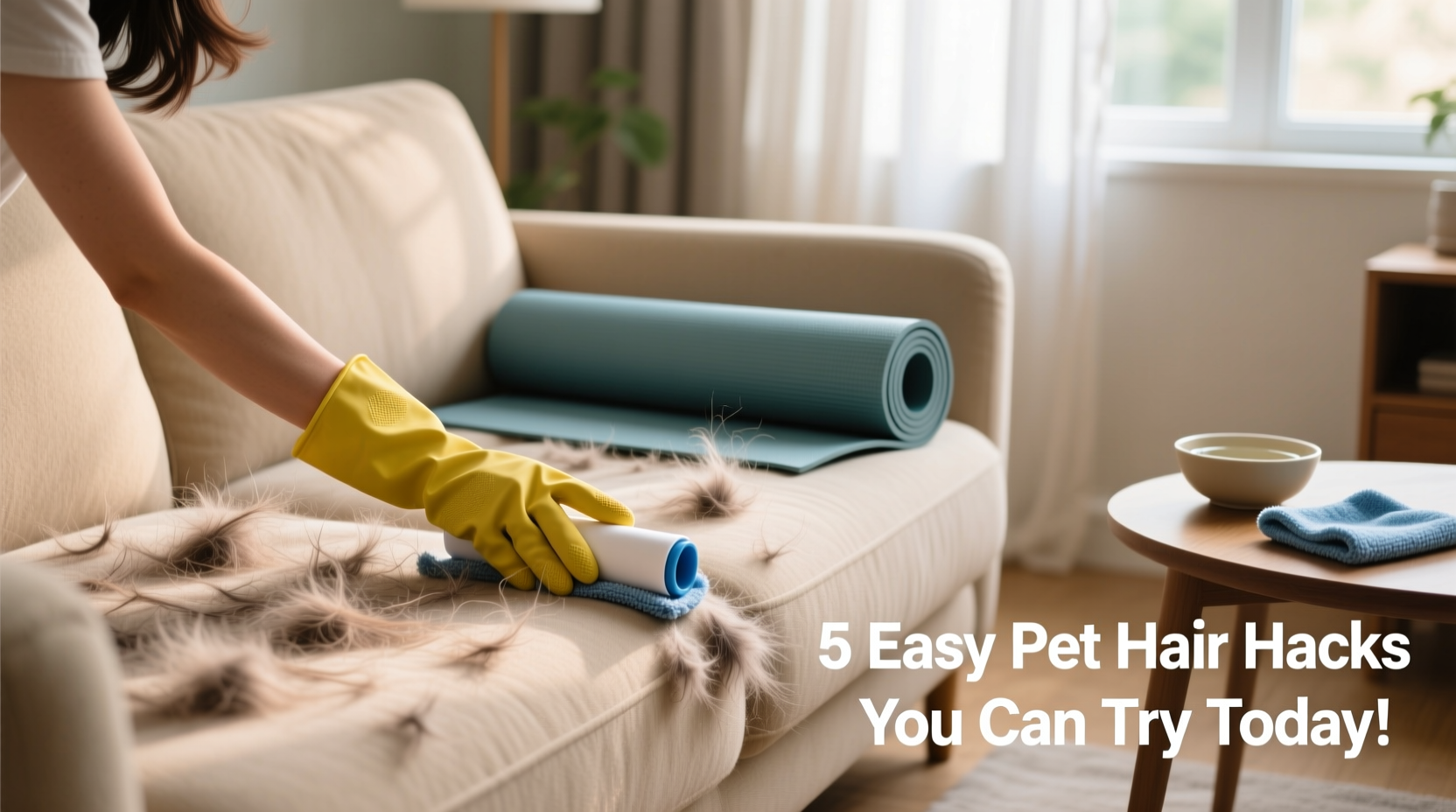
Pet hair isn’t just messy—it’s electrostatically charged and lightweight, allowing it to latch onto fabric fibers with surprising tenacity. Synthetic upholstery materials like polyester or microfiber often generate static, making them magnets for loose fur. Additionally, pet dander and natural oils in the hair increase its ability to adhere to surfaces. This combination makes casual brushing ineffective and explains why vacuuming alone may leave behind a fine layer of fuzz.
Understanding this helps inform better cleaning strategies. Instead of simply trying to dislodge hair, successful removal involves neutralizing static, loosening fibers, and using adhesion or suction in smarter ways.
“Pet hair isn’t just a surface issue—it embeds into fabric weaves and thrives on static. Tackling both the physical and electrical components is key.” — Dr. Lena Peterson, Home Allergen Specialist
Effective Household Tools That Work Better Than Lint Rollers
You likely already own several items capable of lifting pet hair more effectively than disposable rollers. These tools eliminate waste, cost little or nothing, and often deliver superior results when used correctly.
1. Rubber Gloves (Dish or Cleaning)
Wet rubber gloves create friction and static control that pull hair into tight clumps. Simply dampen the gloves slightly, then run your hands over the fabric in one direction. The hair gathers instantly and can be peeled off the glove and disposed of.
2. Damp Sponge or Microfiber Cloth
A slightly wet sponge or tightly woven microfiber cloth works by breaking the static bond between hair and fabric. Wipe in straight lines across the surface—the moisture weighs down the hair, allowing the cloth to collect it efficiently. Best for non-absorbent fabrics like leather or vinyl.
3. Squeegee (Window or Shower)
A small rubber squeegee glides smoothly over upholstery, gathering hair into ridges that can be lifted away. Ideal for large surfaces like couches or car seats. Run it in one direction repeatedly until the surface is clear.
4. Dryer Sheet Rubdown
Anti-static dryer sheets repel pet hair while reducing future buildup. Wipe the surface thoroughly with a fresh sheet to lift existing hair and leave a residue that discourages clinging. Choose unscented versions if you or your pets are sensitive to fragrances.
5. Pumice Stone or Velcro Strip
An overlooked but highly effective tool: a dry pumice stone (used for clothes, not feet) gently lifts matted hair from fabric without damaging fibers. Alternatively, the hook side of a Velcro strip run over the surface collects hair like a natural comb.
Step-by-Step Guide: Deep-Cleaning Furniture Without a Lint Roller
For heavily coated furniture, a systematic approach yields the best results. Follow this five-step process weekly or after heavy shedding episodes.
- Prep the Area: Remove cushions and toss any washable covers into the laundry. Open windows or turn on fans to improve airflow and reduce airborne dander.
- Dampen Rubber Gloves: Put on rubber dish gloves and lightly mist them with water. Do not soak—just enough to create tackiness.
- Gather Hair in Sections: Starting at one end of the furniture, stroke firmly in one direction. Hair will ball up as you go. Rotate gloves as needed to keep palms clean.
- Use a Squeegee for Large Surfaces: After gloving, pass a rubber squeegee over the same area to catch residual hairs missed the first time.
- Finish with a Dryer Sheet: Wipe down the entire surface with an anti-static dryer sheet to prevent immediate re-accumulation and leave a fresh scent.
This method takes under 15 minutes for a standard three-seater sofa and significantly outperforms single-use rollers in both efficiency and cleanliness.
Do’s and Don’ts When Removing Pet Hair from Upholstery
| Do’s | Don’ts |
|---|---|
| Use slightly damp tools to neutralize static | Use excessive water on fabric that can’t be washed |
| Work in one direction to gather hair efficiently | Brush back and forth, which spreads hair around |
| Vacuum after manual removal to extract embedded hairs | Depend solely on vacuuming without pre-treatment |
| Wash removable cushion covers weekly during shedding season | Ignore crevices and seams where hair accumulates |
| Apply dryer sheets periodically to reduce future buildup | Use fabric softener sprays excessively—they can stain |
Real-Life Example: Managing Shedding in a Multi-Pet Home
Sarah Thompson, a pet groomer in Portland, lives with two Siberian cats and a golden retriever. During spring shedding season, her beige microfiber sectional was constantly covered in layers of fur. She tried lint rollers, but found them slow and wasteful—going through nearly 20 rolls a month.
After switching to a routine involving rubber gloves and a window squeegee, she reduced cleanup time by 60%. “I start with damp gloves to gather the bulk,” she says, “then use the squeegee like a push-broom for pet hair. It takes five minutes instead of twenty, and I’m not buying plastic refills every week.”
She also places washable flannel throws on seating areas most used by pets. Flannel naturally attracts hair and can be laundered with a rubber dryer ball to trap even more fur. Her combined strategy has kept her furniture visibly cleaner and reduced allergy flare-ups in guests.
Advanced Hacks for Tough Fabrics and Hard-to-Reach Areas
Not all furniture responds the same way to general techniques. Adjust your method based on material and design.
Fabric-Specific Tips
- Microfiber: Responds well to rubber tools. Avoid steam cleaners unless specified safe by the manufacturer.
- Cotton or Linen: Can be lightly misted before wiping with a microfiber cloth. Washable sections should be laundered regularly.
- Leather or Faux Leather: Use a dry microfiber cloth first, then a slightly damp one. Finish with a leather conditioner to prevent drying.
- Velvet or Corduroy: Use a soft-bristled clothes brush or dry pumice stone to lift hair without flattening the nap.
Hard-to-Reach Zones
Crevices between cushions, along baseboards, and under armrests trap hair and are often neglected. For these spots:
- Wrap a rubber glove around a spatula or ruler for extended reach.
- Use a narrow paintbrush dipped in water to sweep hair toward accessible edges.
- Attach a piece of Velcro (hook side) to a chopstick to comb out corners.
FAQ: Common Questions About Lint-Roller-Free Hair Removal
Can I use a regular sponge to remove pet hair?
Yes, but only if it’s slightly damp and used on non-porous fabrics. A dry sponge won’t help, and a soaking-wet one could damage upholstery. Press firmly and wipe in one direction to maximize effectiveness.
Is it safe to use rubber gloves on delicate fabrics?
Generally, yes—especially if you apply gentle pressure. Test on a hidden area first. Natural rubber is less abrasive than plastic or metal tools, making it ideal for most weaves.
How often should I deep-clean my furniture during shedding season?
Twice a week is optimal for homes with heavy shedders. Light shedders may only need weekly maintenance. Combine surface cleaning with vacuuming crevices and washing cushion covers every 7–10 days.
Checklist: Weekly Pet Hair Removal Routine
Stay ahead of the fur with this actionable checklist:
- ☐ Remove and shake out all cushions
- ☐ Vacuum seat and back surfaces with an upholstery attachment
- ☐ Dampen rubber gloves and gather visible hair in sections
- ☐ Use a squeegee or pumice stone for final pass
- ☐ Wipe down with a dryer sheet to reduce static
- ☐ Launder removable covers and throws
- ☐ Clean hard-to-reach areas with a wrapped tool or brush
Completing this routine weekly prevents hair from embedding deeply into fibers, making each session faster and more effective.
Conclusion: Take Control of Pet Hair—Naturally and Efficiently
Removing pet hair from furniture doesn’t require specialty products or endless rolling. With a shift in technique and a few smart substitutions, you can achieve cleaner results using tools already in your home. Rubber gloves, squeegees, dryer sheets, and simple cloths outperform lint rollers in both sustainability and practicality. By understanding how pet hair adheres and applying targeted methods, you maintain a comfortable, allergen-reduced space without contributing to single-use waste.
Start today: gather your supplies, choose one method, and test it on your most affected furniture. Notice the difference in speed, cleanliness, and satisfaction. Once you see how easy it is to ditch the lint roller, you’ll wonder why you didn’t make the switch sooner.




 浙公网安备
33010002000092号
浙公网安备
33010002000092号 浙B2-20120091-4
Comments
No comments yet. Why don't you start the discussion?