
Pilling is one of the most common frustrations for sweater owners. Those tiny, fuzzy balls that form on wool, cotton, cashmere, and synthetic blends can make even a favorite knit look worn and unkempt. While electric fabric shavers are widely marketed as a solution, they carry risks—especially for delicate fibers. Overuse can thin the fabric, create holes, or worsen texture irregularities. For those seeking a gentler, more sustainable approach, removing pilling without a shaver is not only possible but often preferable.
This guide explores proven, low-impact techniques to restore your sweaters to their original softness and appearance. From household tools to mindful maintenance habits, you’ll learn how to address pilling effectively while preserving the integrity of your garments. Whether you own a vintage cashmere cardigan or a cozy acrylic pullover, these methods prioritize long-term fabric health over quick fixes.
Understanding Pilling: Why It Happens and When to Act
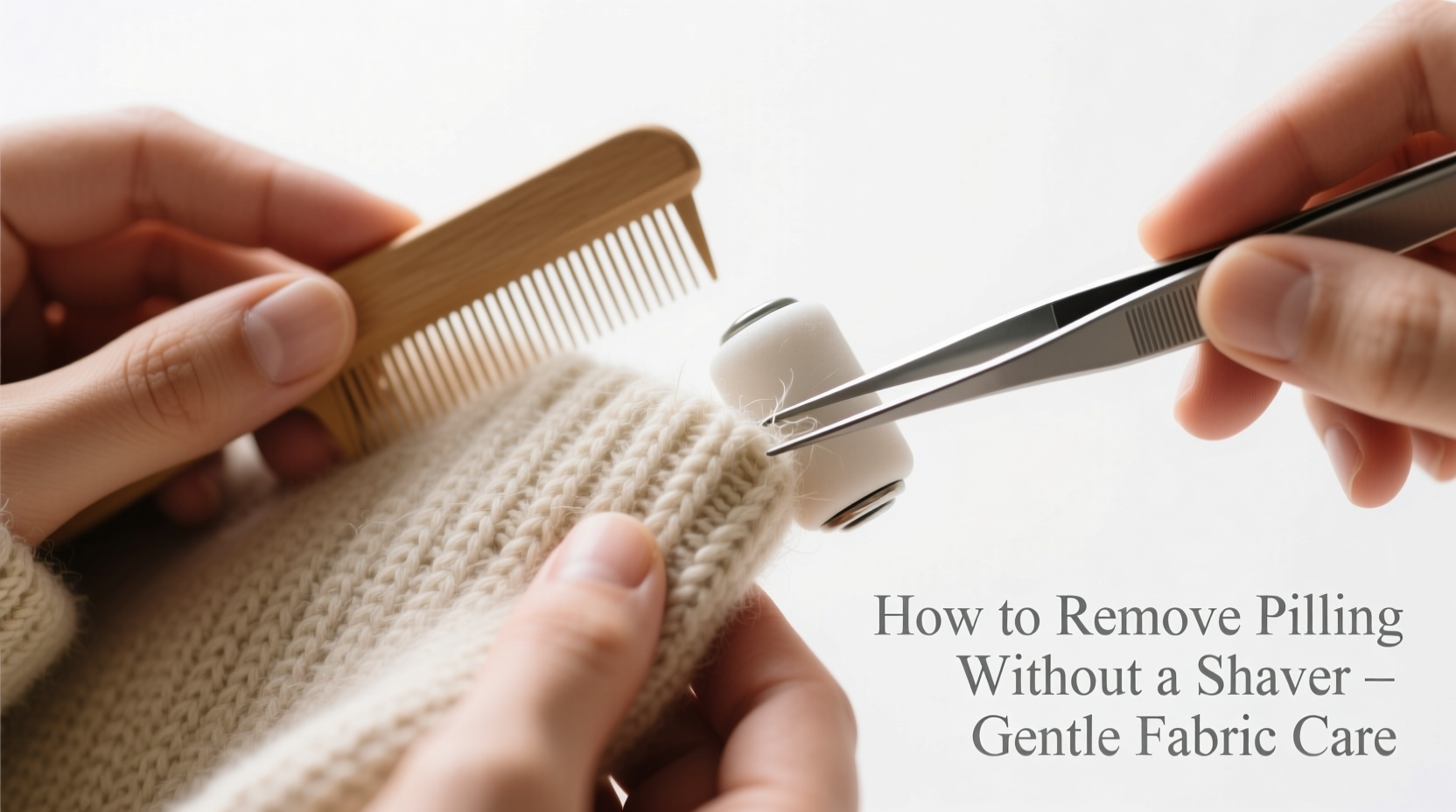
Pilling occurs when short or broken fibers on the surface of a fabric tangle together due to friction. Everyday wear—rubbing against bags, seatbelts, or other clothing—creates this abrasion. Over time, these loose fibers knot into small clusters, forming pills. While unsightly, pilling doesn’t necessarily mean poor quality; even high-end knits can develop it under repeated stress.
The key is early intervention. Addressing pilling before it becomes dense prevents further fiber damage and maintains the sweater’s drape and insulation. However, timing matters: attempting removal on damp or weakened fabric increases the risk of snagging. Always work on dry, clean sweaters laid flat on a stable surface.
“Pilling is a natural part of textile aging, but aggressive tools like electric shavers can accelerate wear. Gentle manual methods protect fiber longevity.” — Dr. Lena Torres, Textile Conservation Specialist, Royal School of Needlework
Gentle Tools and Household Alternatives to Electric Shavers
You don’t need specialized equipment to manage pilling. Many effective tools are already in your home. The goal is to lift or snip pills without pulling at the base fabric. Below are five accessible alternatives:
- Disposable razor (used manually): Hold it at a shallow angle and lightly glide over the surface. Do not press down. Ideal for cotton and wool blends.
- Fabric comb or sweater stone: These textured tools catch pills gently. Sweep in one direction to avoid fraying.
- Nail polish remover with lint roller: Lightly dampen a cotton pad with non-acetone remover and dab over pills. Then use a lint roller to lift loosened fibers.
- Velcro strip (hook side): Run the rough side gently over the fabric to catch pills. Works best on looser weaves.
- Teeth of a fine-toothed comb: Carefully pull through affected areas to disentangle pills without cutting live fibers.
Step-by-Step Guide: Removing Pilling Without Damaging Fabric
Follow this sequence to safely reduce pilling while protecting your sweater’s structure:
- Wash and dry the sweater properly. Use cold water and a mild detergent formulated for delicates. Lay flat to dry. Clean fabric allows pills to release more easily.
- Lay the garment flat on a clean, well-lit surface. Smooth out wrinkles so pills are visible and accessible.
- Select your preferred tool. For beginners, start with a fabric comb or Velcro strip to minimize risk.
- Work in one direction only. Move from top to bottom or side to side consistently. Avoid back-and-forth motions that can weaken yarns.
- Apply minimal pressure. Let the tool do the work. If resistance increases, stop and reposition.
- Pause frequently to check progress. Rotate the sweater and reassess. Some areas may require multiple passes.
- Vacuum loose fibers afterward. Use a handheld vacuum with a brush attachment on low suction to remove debris without pulling stitches.
After treatment, store the sweater folded—not hung—to prevent stretching. If pilling returns within weeks, consider adjusting washing frequency or layering habits to reduce friction.
Do’s and Don’ts of Sweater Pilling Care
| Do | Don’t |
|---|---|
| Use cold water and gentle cycle when washing | Wash sweaters with jeans or zippers that cause abrasion |
| Lay flat to dry to maintain shape | Tumble dry on high heat—it shrinks and damages fibers |
| Store folded in a breathable cotton bag | Hang knits—they stretch at the shoulders |
| Treat pilling early before it mats densely | Use scissors aggressively—they can cut underlying threads |
| Rotate sweaters to reduce wear on single items | Ignore moth signs—holes lead to more pilling around edges |
Real Example: Reviving a Beloved Cashmere Sweater
Sophie, a librarian in Portland, had a cream-colored cashmere sweater gifted by her grandmother. After three winters of regular wear, it developed heavy pilling on the sleeves and torso. Fearing damage from electric tools, she avoided all removal attempts until the texture became rough and unappealing.
She decided to try a fabric comb recommended by a friend. First, she hand-washed the sweater in lukewarm water with baby shampoo. After laying it flat to dry, she gently combed the pill-prone areas using downward strokes. Within 20 minutes, most pills were lifted. She followed up with a lint roller to capture loose fibers. The result? A visibly smoother finish and restored softness—without altering the garment’s weight or weave.
Sophie now repeats this process every few months and layers a silk camisole underneath to reduce friction. Her sweater, once deemed “past its prime,” remains a winter staple.
Prevention Strategies That Reduce Future Pilling
While no method eliminates pilling entirely, smart care habits significantly delay its onset. Consider these long-term strategies:
- Limit washing frequency. Over-washing weakens fibers. Spot-clean minor stains and air out sweaters between wears.
- Turn sweaters inside out before laundering. This shields the outer surface from agitation in the wash.
- Avoid rough outer layers. Leather jackets, backpacks, and structured coats increase friction on sweater arms and backs.
- Use a mesh laundry bag. Provides a protective barrier during machine washing, especially for blended knits.
- Invest in higher twist yarns. Tightly spun fibers resist pilling better than loosely twisted ones. Check labels when purchasing new sweaters.
Additionally, natural fibers like merino wool and alpaca tend to pill less than acrylic or polyester blends, though they require more careful handling. Blends with nylon or spandex often pill quickly due to differential wear rates between fiber types.
FAQ: Common Questions About Pilling Removal
Can I use scissors to cut off sweater pills?
Yes, but with extreme caution. Use small embroidery scissors and only snip the very tip of the pill, not the base. Cutting too deep can unravel knits or leave uneven patches. This method works best for isolated, large pills rather than widespread fuzz.
Is pilling a sign of low-quality fabric?
Not always. Even premium fabrics pill under friction. However, the rate and severity can reflect fiber quality and yarn construction. High-twist, long-staple fibers (like fine merino) resist pilling better than short, fluffy ones.
Will removing pills change the warmth of my sweater?
No. Pilling sits on the surface and doesn’t contribute to insulation. In fact, removing pills can improve thermal efficiency by allowing the underlying knit to trap air more effectively.
Checklist: Gentle Pilling Removal Routine
Follow this concise checklist to safely refresh your sweaters:
- ☐ Wash sweater according to care label (preferably hand-wash or delicate cycle)
- ☐ Lay flat to dry completely—never hang
- ☐ Choose a non-abrasive tool (fabric comb, Velcro, or disposable razor)
- ☐ Test tool on hidden area (e.g., inner hem)
- ☐ Work in one direction with light, consistent strokes
- ☐ Remove loose fibers with lint roller or soft brush
- ☐ Fold and store in a cool, dry place away from direct sunlight
- ☐ Repeat every 1–3 months based on wear frequency
“Garment longevity isn’t about avoiding wear—it’s about managing it mindfully. How you treat pilling says a lot about your overall fabric care philosophy.” — Marcus Reed, Sustainable Fashion Consultant
Conclusion
Removing pilling from sweaters without a shaver is not just a safer alternative—it’s a more thoughtful approach to clothing care. By choosing gentle tools and preventive habits, you extend the life of your knits while maintaining their comfort and appearance. These methods respect the craftsmanship of your garments and align with sustainable fashion principles: repair, reuse, and cherish.
Your sweaters don’t need harsh gadgets to look their best. With patience and the right technique, you can restore softness and smoothness using simple, accessible tools. Start with one favorite piece, apply these steps, and see the difference. Share your results, pass on the tips, and help build a culture of mindful wardrobe care.




 浙公网安备
33010002000092号
浙公网安备
33010002000092号 浙B2-20120091-4
Comments
No comments yet. Why don't you start the discussion?