
Red wine is a favorite at dinner parties, quiet evenings, and celebrations—but when it spills on your carpet, the moment turns stressful fast. The deep pigments in red wine can quickly seep into carpet fibers, leaving behind an unsightly stain that seems impossible to remove. While commercial cleaners exist, many contain harsh chemicals you’d rather not introduce into your home, especially if you have children or pets. Fortunately, nature offers powerful alternatives. With common household items like baking soda, vinegar, salt, and hydrogen peroxide, you can effectively lift red wine stains without toxic residues.
This guide explores time-tested, natural methods backed by real-world results. Whether you’re dealing with a fresh spill or a set-in blemish, these solutions are safe, accessible, and remarkably effective when applied correctly.
Act Fast: Why Timing Matters
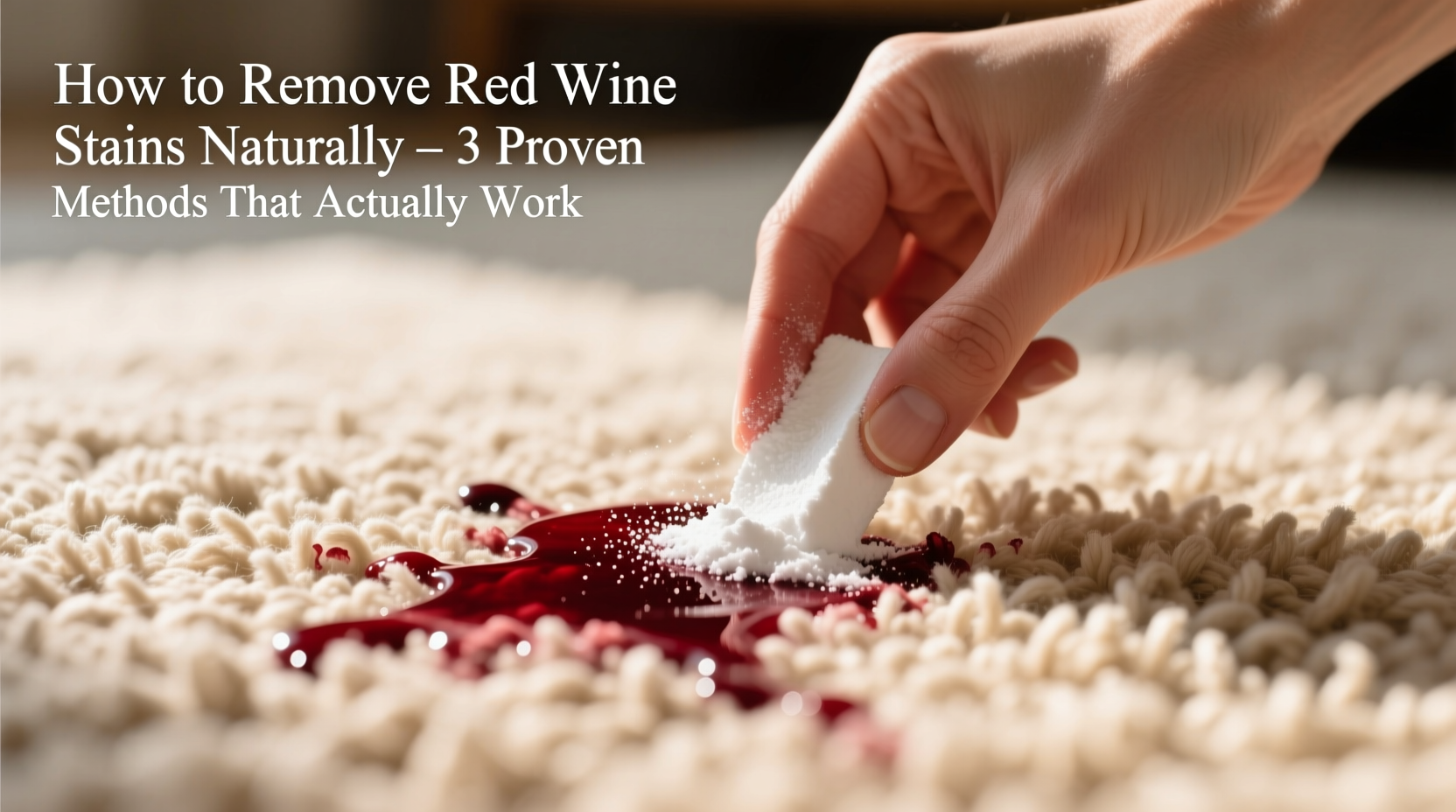
The success of any stain removal effort hinges on speed. Red wine contains tannins and anthocyanins—compounds responsible for its rich color and ability to bind tightly to surfaces. Once spilled, these pigments begin penetrating carpet fibers within seconds. The longer they sit, the deeper they go, making removal exponentially harder.
Blotting immediately after a spill is critical. Use a clean, absorbent cloth or paper towel and press down firmly—not rubbing—to soak up as much liquid as possible. Rubbing spreads the stain and forces wine deeper into the fibers. After blotting, avoid walking on the area to prevent grinding the wine further into the carpet.
Natural Remedies That Work: A Step-by-Step Guide
Nature provides several substances capable of breaking down wine pigments, lifting stains, and deodorizing carpets—all without synthetic additives. Below are four reliable, all-natural methods, each suited to different stages of staining and carpet types.
Method 1: Salt Absorption (Best for Fresh Spills)
Salt is a classic first-line defense against fresh red wine spills. Its coarse granules draw moisture out of the carpet through osmosis while absorbing the wine before it sets.
- Blot excess wine with a clean cloth.
- Pour a thick layer of table salt or kosher salt over the stain.
- Let sit for 5–10 minutes (longer for larger spills).
- Gently scrape off the salt with a spoon or dull knife.
- Vacuum the area thoroughly.
If a faint stain remains, follow up with vinegar or hydrogen peroxide. This method works best on wool-free synthetic carpets, as salt may leave residue on delicate natural fibers if not fully removed.
Method 2: White Vinegar and Dish Soap Solution
Vinegar’s acetic acid helps break down wine pigments, while dish soap lifts oily residues and aids in emulsifying the stain. Combined, they create a potent yet gentle cleaning solution.
- Mix 1 tablespoon clear dish soap (like Dawn), 1 tablespoon white vinegar, and 2 cups warm water.
- Apply the solution directly to the stained area using a spray bottle or sponge.
- Let it sit for 5–10 minutes.
- Blot with a clean, damp cloth until no more color transfers.
- Rinse with cold water and blot dry.
Repeat if necessary. Avoid using colored dish soaps, which may add dye to the carpet. Test on a hidden corner first, especially with older or delicate rugs.
Method 3: Baking Soda Paste with Hydrogen Peroxide
This oxygen-based method is excellent for set-in stains. Hydrogen peroxide acts as a mild bleaching agent, releasing oxygen bubbles that lift embedded pigments. Baking soda adds abrasion and neutralizes odors.
- Mix 2 tablespoons baking soda with enough 3% hydrogen peroxide to form a thick paste.
- Apply the paste directly to the stain.
- Cover with plastic wrap and let sit for 30 minutes (do not exceed one hour).
- Scrub gently with a soft brush or toothbrush.
- Blot with a damp cloth, then dry thoroughly.
Caution: Hydrogen peroxide may lighten dark carpets. Always test in an inconspicuous area first. Never mix with vinegar directly—this creates peracetic acid, which can irritate skin and damage fibers.
Method 4: Club Soda Blotting (Immediate Response Only)
Club soda is a surprising hero in stain emergencies. Its carbonation helps lift wine from fibers, while sodium chloride and trace minerals assist in dilution and absorption.
- Immediately pour club soda over the spill.
- Blot aggressively with a clean towel.
- Repeat until the liquid runs clear.
This method is most effective within the first minute of a spill. It won’t work on dried stains but can prevent them entirely if used promptly. Keep a chilled bottle in your fridge during gatherings.
Do’s and Don’ts of Natural Carpet Stain Removal
To maximize effectiveness and protect your carpet, follow these guidelines.
| Do’s | Don’ts |
|---|---|
| Blot, don’t rub the stain | Rub or scrub aggressively |
| Use cold water or solutions | Apply hot water |
| Test solutions on hidden areas | Assume all carpets react the same |
| Vacuum thoroughly after drying | Leave residue behind |
| Treat stains within minutes | Wait hours before acting |
| Use white cloths to avoid dye transfer | Use colored towels or rags |
Real-World Example: A Dinner Party Rescue
When Sarah hosted a small wine tasting at her home, a guest accidentally knocked over a full glass onto her beige Berber carpet. She froze for a second—then remembered the salt trick she’d read about. Within seconds, she blotted the pool with napkins, covered it with kosher salt, and waited ten minutes. After vacuuming, a faint pink ring remained. She mixed vinegar, dish soap, and water, applied it, and blotted again. The stain vanished completely. Two weeks later, she reported no reappearing marks or discoloration. “I was ready to replace the whole section,” she said. “But I saved $300 and my carpet looks untouched.”
This case illustrates how combining immediate action with natural agents delivers professional-grade results.
“Time is your biggest ally in stain removal. The right natural solution applied early can outperform many chemical cleaners.” — Dr. Lena Peterson, Textile Restoration Specialist, University of Massachusetts Amherst
Prevention Tips and Maintenance Habits
While knowing how to fix a spill is essential, preventing one is even better. Simple habits reduce risk and keep carpets pristine.
- Use stemless wine glasses or tumblers indoors—they’re less likely to tip.
- Place area rugs or runners in high-traffic dining zones; they’re easier to clean than wall-to-wall carpet.
- Have guests sit away from light-colored carpeted areas during wine service.
- Keep a small tray or coaster nearby to catch accidental drips from bottles.
- Rotate rugs periodically to distribute wear and exposure.
For households that entertain frequently, consider applying a natural fiber protector. Sprays made with plant-based silicones can create a temporary barrier against spills without altering texture or emitting fumes.
Frequently Asked Questions
Can hydrogen peroxide damage my carpet?
Hydrogen peroxide is generally safe at 3% concentration, but it has mild bleaching properties. It may lighten darker dyes or natural wool fibers. Always perform a spot test in an inconspicuous area—apply a few drops, wait 10 minutes, then blot dry and inspect. If discoloration occurs, avoid using it on the visible stain.
What if the stain comes back after drying?
Reappearing stains often occur when moisture trapped beneath the surface wicks back up, bringing residual pigment with it. To prevent this, ensure thorough drying. After treatment, place a stack of paper towels over the area and weigh it down with a heavy book or skillet overnight. This draws out remaining moisture. If the stain returns, repeat the vinegar-dish soap method and extend drying time.
Are these methods safe for pet-friendly homes?
Yes—most natural ingredients are non-toxic once rinsed and dried. However, keep pets away from treated areas until fully dry to prevent licking peroxide or tracking wet residue. Baking soda, if ingested in large amounts, can cause digestive upset, so vacuum thoroughly after use.
Final Checklist: Your Natural Stain Response Plan
Be prepared with this actionable checklist:
- Keep white cloths, paper towels, and gloves in a designated cleaning drawer.
- Stock salt, baking soda, white vinegar, dish soap, and 3% hydrogen peroxide.
- Label spray bottles for easy mixing (e.g., “Vinegar Cleaner”).
- Store a soft-bristled brush and spoon for scraping.
- Know the fiber type of your carpet (synthetic vs. wool) for appropriate treatment.
- Practice a test patch with each new solution.
- Respond within five minutes of any spill.
- Dry the area completely using fans or airflow.
Conclusion: Confidence Starts with Care
Spills happen—even the most careful hosts face accidents. But with the right knowledge, a red wine stain doesn’t have to mean ruined carpet. Natural remedies like salt, vinegar, baking soda, and hydrogen peroxide offer powerful, eco-friendly alternatives to chemical cleaners. They’re affordable, widely available, and when used correctly, highly effective.
By understanding the science behind stains and acting swiftly, you regain control in moments of panic. More importantly, you protect your home environment from unnecessary toxins. Start building your natural cleaning arsenal today. The next time a glass tips over, you won’t reach for the phone—you’ll reach for the salt, and handle it with confidence.




 浙公网安备
33010002000092号
浙公网安备
33010002000092号 浙B2-20120091-4
Comments
No comments yet. Why don't you start the discussion?