
A spilled glass of red wine on the carpet can trigger instant panic. The deep crimson liquid soaks quickly into fibers, threatening a permanent blemish on an otherwise pristine floor. But before reaching for commercial stain removers or calling a professional cleaner, consider this: you may already have everything you need in your kitchen. Dish soap and cold water—a simple, accessible combination—can effectively lift fresh red wine stains without damaging carpet fibers or introducing harsh chemicals into your home.
This method works because dish soap is formulated to break down organic residues like oils and proteins. Red wine contains tannins and pigments that bind to carpet fibers, but when combined with cold water and the surfactants in dish soap, these compounds can be drawn out before they set. The key lies not in complexity, but in speed, technique, and understanding how the components interact with the stain and fabric.
Why This Method Works
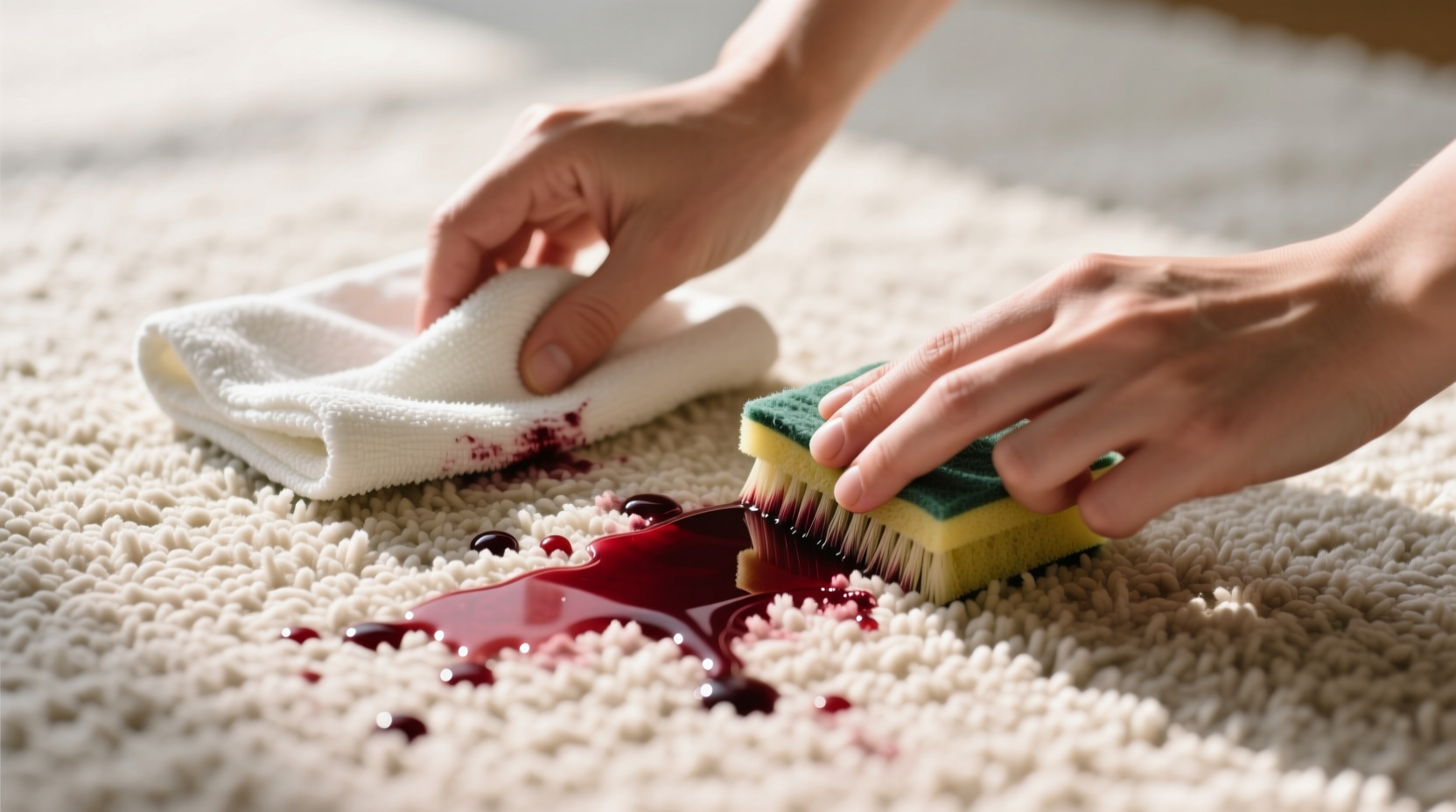
Dish soap excels at lifting stains due to its molecular structure. Surfactants in the soap reduce the surface tension of water, allowing it to penetrate deeper into carpet fibers. At the same time, these molecules surround wine particles, encapsulating them so they can be rinsed away rather than rubbed further into the pile.
Cold water plays a crucial role. Hot water causes protein-based stains (and some plant pigments) to coagulate and bond more tightly to synthetic or natural fibers. Since many carpets are made from protein-rich wool or stain-prone nylon, using cold water prevents the stain from becoming permanent during cleanup.
“Time is your biggest enemy with wine stains. Immediate action with mild detergents like dish soap gives the highest chance of full removal.” — Dr. Lena Patel, Textile Stain Research Specialist, Home Chemistry Institute
Step-by-Step Guide to Removing Red Wine Stains
The effectiveness of this method depends on acting quickly and following each step precisely. Here’s a detailed timeline and procedure:
- Blot Immediately (0–3 minutes after spill): Use a clean, absorbent white cloth or paper towel to gently press down on the spill. Do not rub—this spreads the wine deeper into the fibers. Lift and repeat until no more liquid transfers to the cloth.
- Prepare the Cleaning Solution (Within 5 minutes): Mix one teaspoon of clear, fragrance-free liquid dish soap (such as Dawn Original or Seventh Generation Free & Clear) with one cup of cold water. Avoid colored or gel-based soaps, which may contain dyes or thickeners that could leave residue.
- Test for Colorfastness (Before Application): Dampen a hidden corner of the carpet (e.g., under furniture) with the solution. Wait five minutes, then blot dry. If no color bleeds or fades, proceed. If discoloration occurs, discontinue use.
- Apply the Solution (Gently and Evenly): Dip a clean white cloth into the mixture and wring it nearly dry. Dab the stained area lightly, working from the outside edge toward the center to prevent spreading. Let sit for 5–7 minutes to allow the soap to penetrate.
- Blot Again Thoroughly: Using a second dry cloth, press firmly over the treated area. Replace with a fresh section of cloth as it absorbs stained moisture. Repeat until the cloth comes away mostly clean.
- Rinse with Cold Water: Moisten another clean cloth with plain cold water and dab the area to flush out any remaining soap. Residual detergent can attract dirt later, so thorough rinsing is essential.
- Dry Completely: Place a stack of paper towels over the spot and weigh it down with a heavy book or flat object. Allow it to sit for at least two hours, or until completely dry. Avoid walking on the area during this time.
Common Mistakes That Worsen the Stain
Even with the right ingredients, improper technique can make a red wine stain worse. Below are frequent errors and their consequences:
| Mistake | Why It’s Harmful | Better Alternative |
|---|---|---|
| Rubbing the stain aggressively | Spreads wine deeper into fibers and damages carpet pile | Blot gently with downward pressure |
| Using hot or warm water | Causes tannins in wine to bind permanently to fibers | Use only cold water throughout |
| Over-saturating the carpet | Pushes wine into padding beneath, leading to odor or mold | Wring cloths well; apply solution sparingly |
| Leaving soap residue | Attracts future spills and dirt, making the spot reappear | Rinse thoroughly and dry completely |
| Using scented or colored dish soap | Potential for dye transfer or chemical interaction with wine | Stick to clear, unscented formulas |
Real Example: A Dinner Party Rescue
Sarah hosted a small dinner gathering when a guest accidentally knocked over a full glass of Cabernet Sauvignon near the living room couch. Within seconds, a six-inch stain spread across her light beige Berber carpet. Remembering a tip from a friend, she sprang into action.
She grabbed paper towels and blotted the pool, pressing firmly without rubbing. Next, she mixed a teaspoon of blue Dawn dish soap with a cup of cold water. After testing on a closet edge, she applied the solution with a microfiber cloth, let it dwell for six minutes, then blotted again. She repeated the rinse step twice to ensure all suds were gone. By bedtime, the area was dry under a weighted stack of books.
The next morning, no trace of the stain remained. Her carpet looked untouched. “I couldn’t believe something so dramatic could be fixed with just soap and water,” she said. “It saved me hundreds in professional cleaning fees.”
When This Method Might Not Be Enough
While dish soap and cold water work exceptionally well on fresh spills, older or deeply set stains may require additional measures. If the wine has dried for more than 24 hours, penetrated through to the underpad, or occurred on delicate natural fiber rugs (like silk or untreated wool), this basic method may only lighten the stain rather than eliminate it.
In such cases, consider professional steam cleaning or consult a textile restoration expert. However, even with old stains, starting with the dish soap and cold water process can still improve results before advancing to stronger treatments.
Checklist: Quick Action Plan for Red Wine Spills
- ☑ Grab clean white cloths or paper towels immediately
- ☑ Blot—don’t rub—the excess wine
- ☑ Mix 1 tsp dish soap + 1 cup cold water
- ☑ Test solution on inconspicuous area
- ☑ Apply with damp cloth, let sit 5–7 minutes
- ☑ Blot repeatedly with dry cloths
- ☑ Rinse area with cold water only
- ☑ Dry thoroughly with paper towels and weight
- ☑ Inspect after drying; repeat if faint staining remains
Frequently Asked Questions
Can I use any type of dish soap?
No. Use clear, fragrance-free, dye-free liquid dish soap. Colored or heavily scented varieties may leave behind residues or introduce new stains. Brands like Dawn Original, Palmolive Free & Clear, or Seventh Generation are ideal due to their high surfactant concentration and minimal additives.
What if the stain is already dry?
If the wine has dried, rehydrate the area first by applying cold water to loosen the tannins. Let it soak for 5–10 minutes, then proceed with the dish soap solution. Multiple applications may be needed, but success is still possible within 48 hours of the initial spill.
Will this method damage my carpet?
When used correctly, this method is safe for most carpets, including nylon, polyester, olefin, and wool blends. Always test in an inconspicuous area first. Avoid excessive moisture to prevent mold growth in the padding underneath. Never use bleach or vinegar in combination with dish soap, as this can create harmful fumes or weaken fibers.
Maximizing Long-Term Carpet Care
Preventing permanent stains isn’t just about reaction—it’s also about preparation. Keep a small emergency cleaning kit in a drawer near common dining or entertainment areas. Include white cloths, a measuring spoon, a spray bottle, and a bottle of clear dish soap. Having supplies ready reduces response time, increasing the likelihood of complete stain removal.
Additionally, regular vacuuming helps maintain carpet integrity. Dirt particles act like sandpaper, weakening fibers and creating microscopic abrasions where stains can embed more easily. Vacuum high-traffic areas at least twice a week, and consider rotating furniture periodically to distribute wear evenly.
“The best stain removal strategy is prevention paired with rapid, informed response. Simple tools, properly used, often outperform expensive products.” — Michael Tran, Senior Technician at National Carpet Care Association
Conclusion
Removing a red wine stain doesn’t require specialty products or professional equipment. With nothing more than dish soap and cold water—and the right technique—you can restore your carpet to its original condition. Speed, precision, and patience are your greatest allies. By understanding how dish soap lifts organic stains and why cold water matters, you gain control over what might otherwise seem like a disaster.
This method proves that effective home care often relies not on complexity, but on knowledge and readiness. Whether you're hosting a dinner party or enjoying a quiet evening, knowing how to handle accidents confidently makes all the difference.




 浙公网安备
33010002000092号
浙公网安备
33010002000092号 浙B2-20120091-4
Comments
No comments yet. Why don't you start the discussion?