
Ornaments often come with stubborn adhesive residue left behind by price tags, especially on glass, ceramic, or metal surfaces. Removing this sticky film can be frustrating—particularly when you risk damaging the item’s finish. Many people reach for sharp tools or harsh chemicals, only to discover scratches, clouding, or discoloration afterward. The good news is that gentle, effective solutions exist. With the right materials and techniques, you can restore your ornament to its original condition safely and efficiently.
Why Residue Forms and Why It’s Tricky
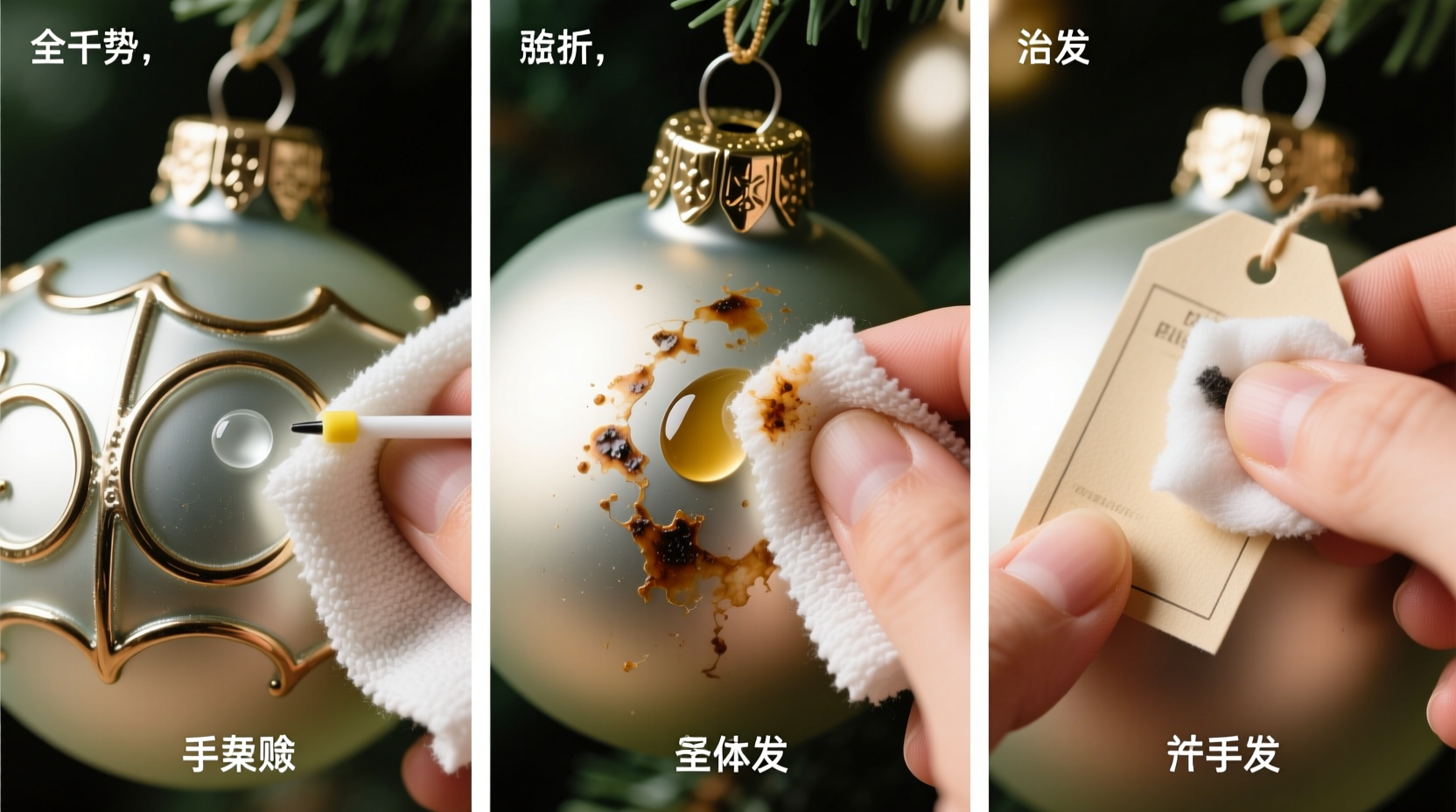
Adhesives used in retail price tags are designed to stick firmly but not permanently. However, over time, exposure to air causes the glue to oxidize and harden. This transformation makes it more difficult to remove, especially on delicate or textured surfaces. Ornaments made of blown glass, hand-painted ceramics, or polished metals are particularly vulnerable to abrasion. Even a soft cloth with too much pressure can leave micro-scratches that dull the surface under light.
The challenge lies in dissolving the adhesive without compromising the integrity of the ornament. Solvents must be strong enough to break down the glue but mild enough to preserve finishes, paint, and plating. Additionally, many household remedies like acetone or nail polish remover are too aggressive and can strip protective coatings or cause irreversible damage.
Safe and Effective Methods for Residue Removal
Below are five proven techniques that balance effectiveness with safety. Each method uses common household items or easily sourced supplies. The key is patience: rushing the process increases the risk of damage.
1. Warm Soapy Water and Soft Cloth
This is the mildest approach and should always be your starting point. For non-porous ornaments (glass, glazed ceramic, metal), soak a microfiber or lint-free cotton cloth in warm water mixed with a drop of dish soap. Gently press the cloth against the sticky area for 1–2 minutes to soften the residue. Then, using light circular motions, wipe away the loosened adhesive.
Avoid rubbing aggressively. If the residue persists, reapply the warm compress for another minute before trying again. This method works best on recently removed tags or lightly adhered stickers.
2. Rubbing Alcohol (Isopropyl Alcohol)
Rubbing alcohol is a powerful yet relatively safe solvent for most surfaces. Dampen a cotton swab or soft cloth with 70% isopropyl alcohol and dab it onto the sticky spot. Let it sit for 30 seconds to penetrate the adhesive. Then gently wipe in one direction—not circular motions—to lift the residue.
Alcohol evaporates quickly and doesn’t leave a film, making it ideal for glass and metal. However, avoid using it on painted surfaces, as it may lift pigments or weaken sealants.
3. Cooking Oil or Olive Oil
Fats break down adhesives naturally. Apply a small amount of cooking oil, baby oil, or olive oil directly to the sticky area. Let it sit for 5–10 minutes to allow the oil to seep under the glue. Then use a clean, soft cloth to gently wipe the residue away.
This method is excellent for delicate finishes because oil lubricates the surface, reducing friction. Afterward, wash the area with soapy water to remove any oily residue. Be cautious with porous materials like unglazed ceramics or wood-based ornaments, as oil may soak in and stain.
“Oil-based removers are among the safest for antiques. They work slowly but preserve patina and fine detailing.” — Dr. Lydia Chen, Conservator at the National Decorative Arts Institute
4. Baking Soda Paste
Mix two parts baking soda with one part water to create a thick paste. Apply a small amount to the affected area using a cotton swab. Let it sit for 2–3 minutes, then gently rub with a soft cloth in a linear motion. Rinse thoroughly with water afterward.
Baking soda is mildly abrasive, so this method should only be used on durable surfaces like glass or solid metal. Avoid applying it to soft metals like gold leaf, silverplate, or painted areas.
5. Commercial Adhesive Removers (Use with Caution)
Products like Goo Gone, 3M Adhesive Remover, or WD-40 can be effective—but require caution. Always choose a formula labeled “non-residue” or “safe for delicate surfaces.” Apply a tiny amount to a cotton ball, not directly on the ornament. Test first on an inconspicuous spot.
After removing the adhesive, clean the area immediately with soapy water to prevent chemical buildup. Never use petroleum-based removers on rubber, latex, or certain plastics, as they can cause swelling or degradation.
Step-by-Step Guide: Removing Residue Without Damage
Follow this timeline to maximize success while minimizing risk:
- Inspect the Ornament: Determine the material (glass, ceramic, metal, plastic) and check for paint, plating, or cracks.
- Test First: Apply your chosen method to a hidden area (e.g., the base or back) and wait 5 minutes to check for adverse reactions.
- Begin with the Mildest Method: Start with warm soapy water. If ineffective, progress to rubbing alcohol or oil.
- Apply Solution Carefully: Use a cotton swab or soft cloth—never fingers or fingernails.
- Wait and Soften: Allow time for the agent to penetrate; don’t rush the process.
- Wipe Gently: Use straight-line strokes rather than scrubbing in circles to reduce scratch risk.
- Clean and Dry: Wash off any remaining solution with mild soap and water. Dry completely with a lint-free cloth.
Do’s and Don’ts: Quick Reference Table
| Do’s | Don’ts |
|---|---|
| Use soft cloths (microfiber, cotton) or cotton swabs | Use steel wool, razors, or abrasive pads |
| Test cleaners on a hidden area first | Apply solvents directly from the bottle |
| Let solutions sit to soften residue | Rub aggressively or apply excessive pressure |
| Clean with mild dish soap after treatment | Leave oils or solvents on the surface long-term |
| Work in a well-lit area to monitor progress | Soak porous or antique ornaments in liquid |
Real Example: Restoring a Vintage Christmas Ornament
Sarah, a collector of mid-century holiday decor, purchased a set of vintage glass ornaments at an estate sale. Each had remnants of yellowed price tags glued near the cap. Fearing damage to the fragile, hand-painted designs, she avoided scraping and instead began with warm soapy water. After minimal success, she tried a cotton swab dipped in rubbing alcohol. She let it sit for 40 seconds, then wiped gently downward from the cap. The residue lifted cleanly without harming the gold trim or red enamel. She repeated the process on all six ornaments, taking nearly an hour total—but preserved their value and appearance perfectly.
Her experience underscores the importance of patience and progression: starting mild, testing, and advancing only when necessary.
Checklist: Safe Residue Removal Process
- ✅ Identify the ornament’s material and finish
- ✅ Gather supplies: soft cloths, cotton swabs, dish soap, rubbing alcohol, oil, baking soda
- ✅ Choose a well-lit, stable workspace
- ✅ Test each method on a hidden spot first
- ✅ Start with warm soapy water
- ✅ Move to alcohol or oil if needed
- ✅ Avoid abrasive tools or excessive force
- ✅ Clean and dry thoroughly after treatment
- ✅ Store cleaned ornaments properly to prevent future staining
Frequently Asked Questions
Can I use vinegar to remove sticker residue from glass ornaments?
Yes, white vinegar can help, but it’s less effective than rubbing alcohol. Mix equal parts vinegar and water, apply with a cloth, and let sit for a few minutes. However, vinegar is acidic and should not be used on metal components, as it may cause tarnishing or corrosion over time.
What should I do if the ornament is painted and the adhesive won’t budge?
For painted surfaces, avoid alcohol and commercial removers. Try olive oil first—its gentle action reduces the risk of lifting paint. Apply a drop, wait 10 minutes, and wipe softly. If residue remains, consult a professional conservator, especially for valuable or antique pieces.
Will heat help remove sticky residue?
Heat from a hairdryer can soften adhesive, but it’s risky. Glass can crack from thermal shock, and paint may blister. If you attempt this, hold the dryer at least 12 inches away and move constantly. Never apply direct heat to plastic or thin-walled ornaments.
Final Thoughts and Action Steps
Removing sticky residue from ornaments doesn’t require harsh chemicals or risky tools. Success comes from understanding the material you’re working with and choosing the right method in the right order. The most important rule: when in doubt, go slower and gentler. A few extra minutes can save an irreplaceable decoration.
Always prioritize preservation over speed. Whether it’s a family heirloom, a collectible, or a seasonal favorite, every ornament deserves careful handling. By following these guidelines, you protect both the physical object and the memories it carries.




 浙公网安备
33010002000092号
浙公网安备
33010002000092号 浙B2-20120091-4
Comments
No comments yet. Why don't you start the discussion?