
Phone cases are essential for protecting your device, but over time, they can accumulate stubborn sticky residue—especially along the edges. This gummy buildup often comes from adhesives on screen protectors, old cleaning wipes, environmental grime, or even degraded materials in cheaper cases. While it’s tempting to scrape or scrub it off, doing so risks damaging the finish or creating micro-scratches that attract more dirt. The good news: with the right tools and techniques, you can safely restore your case to a clean, smooth state without compromising its integrity.
Understanding Sticky Residue on Phone Cases
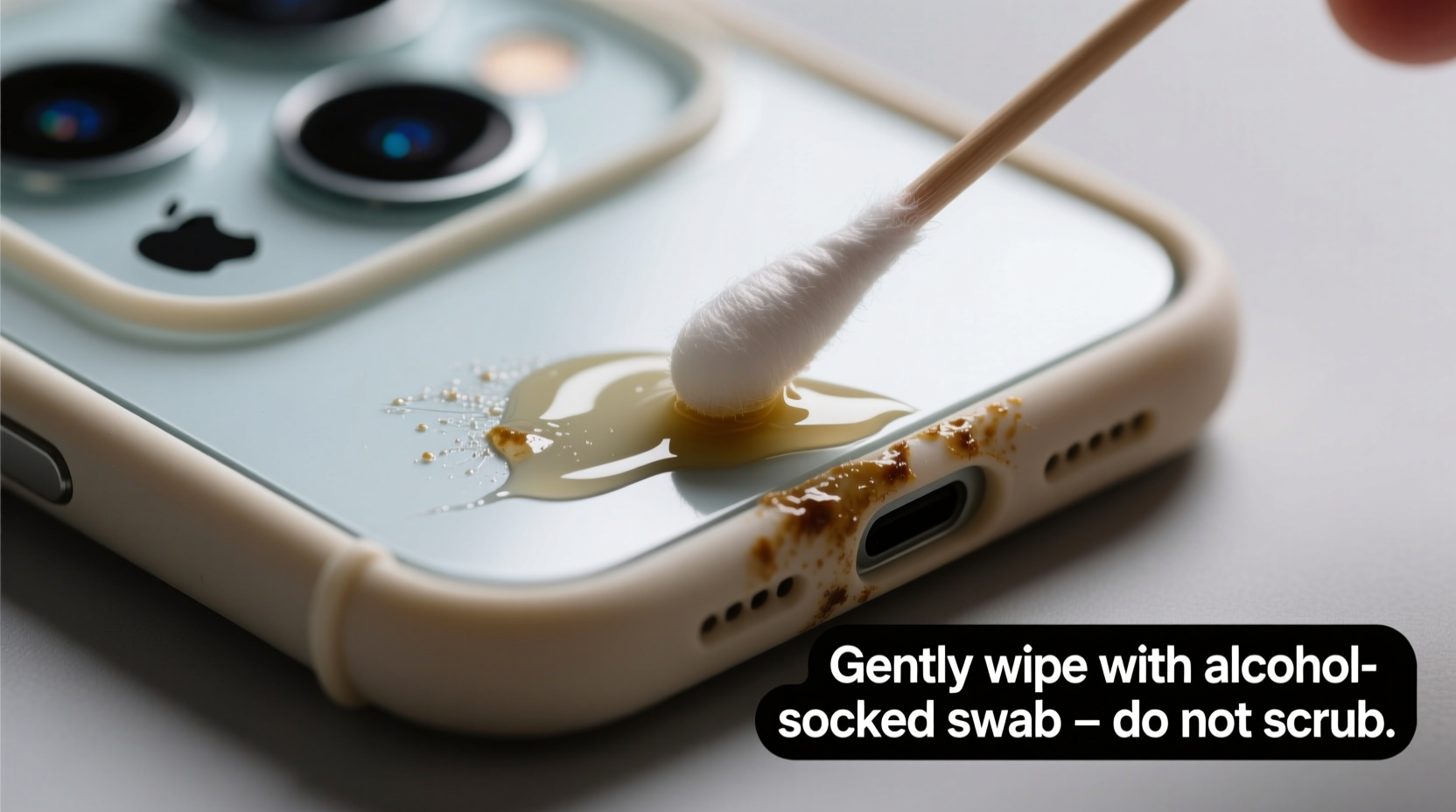
Sticky residue isn’t just unsightly—it can trap dust, bacteria, and oils, making your phone case less hygienic and potentially affecting grip and aesthetics. Common sources include:
- Residual adhesive from removed screen protectors or camera lens covers
- Degraded silicone or TPU (thermoplastic polyurethane) materials reacting to heat and UV exposure
- Contact with tapes, stickers, or glue-based products
- Accumulation of hand lotions, sunscreen, or pocket lint mixed with moisture
The edges of phone cases are particularly vulnerable because they’re high-contact zones and often overlooked during routine cleaning. Because most modern cases are made from soft-touch plastics or rubberized coatings, aggressive solvents or abrasive tools can strip protective layers, leaving behind dull spots or permanent scuff marks.
“Many users unknowingly damage their cases by using alcohol wipes or fingernails to peel off residue. Gentle, targeted methods preserve both appearance and longevity.” — Dr. Lena Tran, Materials Scientist specializing in consumer electronics coatings
Safe Removal Methods That Work
The key to removing sticky film without scratching lies in selecting non-abrasive agents and applying them with precision. Below are five proven techniques, ranked by safety and effectiveness.
1. Use Rubbing Alcohol (Isopropyl Alcohol) with Caution
Isopropyl alcohol (70% concentration) is effective at breaking down adhesives, but must be used carefully. Never pour it directly onto the case—instead, apply sparingly with a cotton swab focused only on the affected edge.
Gently roll the swab along the sticky line, reapplying as needed. Avoid soaking; let the alcohol dissolve the residue over 10–15 seconds before lightly wiping with a microfiber cloth. Rinse with water afterward if possible, especially on silicone cases, to prevent long-term drying effects.
2. Apply Cooking Oil or Olive Oil
Fats break down sticky substances naturally. A small drop of olive oil or vegetable oil applied with a fingertip or cotton bud softens the residue within minutes. After letting it sit for 2–3 minutes, gently rub with a soft cloth in circular motions.
Wipe away excess oil with a dry section of the cloth, then wash the case with mild dish soap and lukewarm water. Dry thoroughly before reattaching to your phone.
3. Try a Magic Eraser (Melamine Foam)
Magic Erasers work through microscopic abrasion, so use them cautiously. Dampen a corner of the eraser with water and gently glide it across the sticky edge—do not press hard. One or two light passes are usually enough.
Immediately rinse the case under running water to remove any residual particles and dry completely. Note: This method is best suited for hard plastic cases, not soft-touch or matte finishes, which may lose texture or sheen.
4. Use Adhesive Remover Wipes (Designed for Electronics)
Commercial adhesive removers like Goo Gone Original or Weicon Easy-Off are formulated to dissolve stickiness while being safe on plastics when used properly. Choose versions labeled “safe for electronics” or “non-residue.”
Apply a small amount to a lint-free cloth—not directly on the case—and dab it onto the edge. Wait up to 30 seconds, then wipe gently. Follow with a damp microfiber cloth to remove any chemical traces.
5. Leverage Heat and Plastic Tools
Low heat can soften adhesive bonds. Hold the edge near warm (not hot) running water for 10–15 seconds, then use a plastic spudger, guitar pick, or even a credit card edge to *lightly* nudge the gunk away. Never use metal objects.
This technique works well for thick, tar-like residues left by protective films. Always follow up with a gentle soap-and-water wash to remove loosened particles.
Step-by-Step Guide: Removing Residue Without Damage
Follow this sequence to maximize results while minimizing risk:
- Remove the case from your phone – Ensure full access and avoid accidental liquid exposure to internal ports.
- Rinse under lukewarm water – Loosen surface debris and assess the type of residue (tacky vs. hardened).
- Select your removal agent – Based on case material and residue severity (see table below).
- Apply agent with precision tool – Cotton swab, soft cloth, or melamine foam tip—never fingers or nails.
- Wait and act gently – Let chemicals or oils dwell for 1–3 minutes; avoid vigorous rubbing.
- Wipe clean with microfiber – Use short, controlled strokes along the edge grain.
- Rinse and dry completely – Air-dry for at least 30 minutes before reinstalling.
Do’s and Don’ts: Material-Specific Care Table
| Case Material | Recommended Methods | Avoid |
|---|---|---|
| Silicone (Soft, Flexible) | Olive oil, mild soap, brief alcohol swab | Magic erasers, prolonged alcohol exposure, heat |
| TPU (Semi-Transparent, Slightly Soft) | Isopropyl alcohol (diluted), adhesive remover wipes | Abrasive pads, acetone, boiling water |
| Hard Plastic (Polycarbonate, Glossy) | Magic eraser, alcohol, commercial removers | Steel wool, undiluted solvents |
| Matte-Finish / Coated | Dish soap, olive oil (minimal), microfiber only | Alcohol, erasers, oily residues left uncleaned |
Real Example: Recovering a Year-Old Silicone Case
Jamal had a clear silicone iPhone case he’d used daily for 14 months. Around the charging port edge, a dark, sticky film developed after repeated exposure to his hands and occasional use of sunscreen. He tried wiping it with hand sanitizer, which worsened the haze.
Instead of discarding it, he followed these steps:
- Soaked the case in warm soapy water for 5 minutes
- Applied a tiny drop of olive oil to a cotton swab and worked it into the edge
- Let it sit for 2 minutes, then wiped with a folded microfiber cloth
- Rinsed thoroughly and air-dried overnight
The residue lifted completely, and the case looked nearly new. Jamal now cleans it weekly with a damp cloth to prevent recurrence.
Checklist: Safe Residue Removal at a Glance
Use this checklist before starting any cleaning process:
- ✅ Remove case from phone
- ✅ Identify case material (silicone, TPU, plastic, etc.)
- ✅ Test cleaning method on hidden area
- ✅ Choose non-abrasive tools (cotton swabs, microfiber cloths)
- ✅ Apply solution indirectly—not poured onto case
- ✅ Limit contact time for chemicals (especially alcohol)
- ✅ Rinse and dry fully before reuse
- ✅ Inspect under bright light to confirm complete removal
Frequently Asked Questions
Can I use nail polish remover to remove sticky residue?
No. Most nail polish removers contain acetone, which dissolves many plastics and damages soft coatings. Even “acetone-free” versions may include ethyl acetate or other harsh solvents unsafe for phone cases. Stick to milder options like diluted alcohol or oils.
Why does my clear case keep getting sticky around the edges?
Clear cases, especially those made from lower-grade TPU, degrade when exposed to UV light, heat, and oils from skin. This oxidation process causes the material to break down and feel tacky. To slow this, avoid leaving your phone in hot cars, clean regularly with pH-neutral soap, and consider UV-resistant cases designed for longevity.
Will vinegar remove sticky residue safely?
White vinegar has mild degreasing properties but is acidic and may etch certain plastics or leave a cloudy film. It’s not recommended for frequent use. If trying vinegar, dilute 1:3 with water and use only on hard plastic cases—never on matte or silicone surfaces.
Conclusion: Keep Your Case Clean and Scratch-Free
A sticky edge doesn’t mean your phone case is beyond saving. With careful selection of cleaning agents and mindful application, you can eliminate residue without harming the surface. Prevention is equally important—regular maintenance with a microfiber cloth and occasional deep cleaning can extend your case’s life significantly.
Remember, patience beats force. Rushing the process with sharp tools or strong chemicals often leads to irreversible scratches or yellowing. By respecting the material and using smart, low-impact methods, you preserve both function and appearance.




 浙公网安备
33010002000092号
浙公网安备
33010002000092号 浙B2-20120091-4
Comments
No comments yet. Why don't you start the discussion?