
Removing leftover adhesive from price tags is a common household challenge. Whether it’s on a new glass vase, a plastic container, or a sleek appliance, sticky residue can be stubborn and unsightly. Many people resort to scraping or harsh chemicals, which can scratch or damage delicate surfaces. The good news is that with the right techniques and materials, you can safely and effectively eliminate this gummy film—preserving both appearance and integrity of the item.
This guide provides practical, tested solutions using everyday household items and specialized products. From understanding why adhesives cling so tightly to identifying the safest removal method for your surface, you’ll gain confidence in tackling even the most persistent sticker remnants.
Why Price Tag Residue Sticks So Strongly
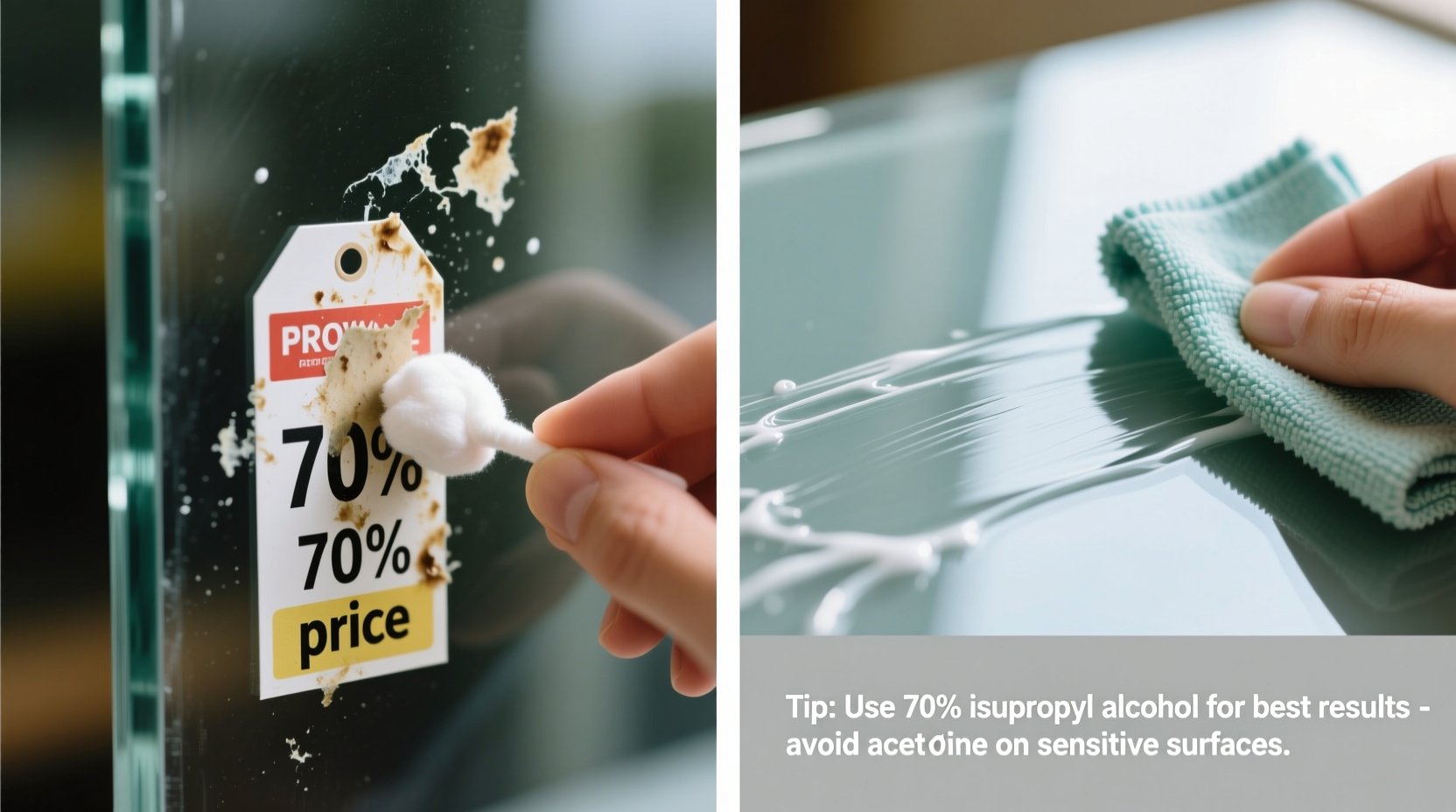
Price tag adhesives are engineered for durability. They must withstand handling, temperature changes, and humidity while remaining legible and secure. Most use pressure-sensitive adhesives (PSAs), which bond when pressed against a surface. These adhesives often contain rubber-based or acrylic polymers that create a strong yet flexible hold.
Glass and plastic respond differently to these residues. Glass is non-porous and chemically stable, making it easier to clean—but only if you avoid abrasive tools. Plastic, however, varies widely in composition. Some plastics (like polycarbonate or acrylic) are sensitive to solvents, meaning improper cleaning can cause clouding, cracking, or discoloration.
“Adhesive removal isn’t just about scrubbing harder—it’s about breaking down the polymer bonds safely. Choosing the wrong solvent on plastic can do irreversible damage.” — Dr. Lena Patel, Materials Scientist at GreenSurface Labs
Safe and Effective Removal Methods
The key to successful residue removal lies in matching the method to the surface and adhesive type. Below are seven proven techniques, ranked by safety and effectiveness for glass and plastic.
1. Warm Soapy Water (Best for Fresh Residue)
For recently removed stickers with minimal leftover glue, warm water mixed with dish soap works surprisingly well. Soak the area for 5–10 minutes to soften the adhesive, then gently rub with a soft cloth or sponge.
2. Rubbing Alcohol (Ideal for Glass and Hard Plastics)
Isopropyl alcohol (70% or higher) dissolves many adhesives without harming glass. Dampen a cotton ball or soft cloth with alcohol and press it onto the residue for 30 seconds. Wipe in circular motions until the stickiness lifts. Rinse with water afterward to prevent streaks.
Note: Avoid using alcohol on painted, tinted, or coated plastics (e.g., electronics screens), as it may strip finishes.
3. Cooking Oil or Olive Oil (Gentle on Sensitive Plastics)
Fats break down adhesive polymers slowly but safely. Apply a few drops of cooking oil to the residue, let it sit for 5–10 minutes, then wipe away with a cloth. Follow up with soapy water to remove the oily film.
This method is especially useful for baby bottles, food storage containers, or eyeglass frames where chemical exposure should be minimized.
4. White Vinegar Solution (Natural Alternative)
Mix equal parts white vinegar and water. Soak a cloth in the solution and lay it over the sticky area for 10 minutes. The acetic acid helps loosen the bond. Wipe gently, reapplying as needed. Best suited for glass and non-porous plastics.
5. Hair Dryer Heat Method (For Thick or Layered Adhesives)
Heat softens adhesives, making them easier to wipe away. Set a hair dryer to medium heat and direct it at the residue for 30–60 seconds. As the glue warms, use a plastic scraper or credit card edge to gently lift and slide the goo off.
Never use metal scrapers on plastic—they can gouge the surface. On glass, maintain distance from the heat source to avoid thermal shock.
6. Commercial Adhesive Removers (Fast but Use with Caution)
Products like Goo Gone, 3M Adhesive Remover, or WD-40 are highly effective but require careful application. Spray or dab a small amount onto a cloth—not directly onto the surface—and test on an inconspicuous area first.
Always follow label instructions and ventilate the area. After removal, wash thoroughly with soap and water to eliminate chemical residue, especially on food-contact items.
7. Baking Soda Paste (Mild Abrasive for Stubborn Spots)
Mix two parts baking soda with one part water to form a thick paste. Apply to the sticky area and gently rub with a soft cloth in circular motions. This mild abrasion lifts residue without scratching most glass or rigid plastics.
Not recommended for soft or matte-finish plastics, as even gentle abrasives can dull the surface over time.
Step-by-Step Guide to Residue Removal
Follow this universal process to maximize success and minimize risk:
- Identify the surface material: Determine if the item is glass, hard plastic (e.g., PET, PP), or soft/flexible plastic. When in doubt, assume sensitivity.
- Test in an inconspicuous spot: Apply any liquid or paste to a hidden area first. Wait 2–3 minutes and check for clouding, softening, or discoloration.
- Choose your method: Start with the gentlest option (soapy water or oil) before progressing to stronger solvents.
- Apply and wait: Let the chosen agent sit for the recommended time to penetrate the adhesive layer.
- Wipe or scrape gently: Use a soft cloth, sponge, or plastic tool. Never force it—if resistance is high, reapply treatment.
- Clean and dry: Wash the area with mild soap and water, then dry with a lint-free cloth to prevent streaks.
Do’s and Don’ts: Surface-Specific Guidelines
| Surface | Do’s | Don’ts |
|---|---|---|
| Glass (jars, mirrors, windows) | Use rubbing alcohol, vinegar, or commercial removers. Safe with plastic scrapers. | Avoid steel wool or ammonia-based cleaners near seals or frames. |
| Hard Plastic (containers, appliances) | Try oil, alcohol, or heat. Clean with mild detergent after. | Never use acetone or nail polish remover—it will melt the surface. |
| Soft/Flexible Plastic (bags, vinyl, toys) | Stick to oils or soapy water. Blot, don’t scrub. | Avoid heat and solvents; they can warp or degrade the material. |
| Painted or Coated Surfaces | Test any product first. Use olive oil cautiously. | Never use alcohol, WD-40, or abrasive pastes—they strip coatings. |
Mini Case Study: Removing Residue from a Vintage Glass Decanter
Sarah, a collector of mid-century glassware, purchased a vintage decanter online. While beautiful, it had a large price sticker with thick, dried adhesive on the base. She tried peeling it off, leaving behind a cloudy, sticky patch that ruined the aesthetic.
She began by soaking the base in warm soapy water for 10 minutes. Some residue lifted, but most remained. Next, she applied a cotton pad soaked in 90% isopropyl alcohol, letting it sit for a minute. Using a soft microfiber cloth, she wiped in small circles. Within two minutes, the residue dissolved completely. A final rinse and dry restored the glass to its original clarity.
Key takeaway: Alcohol worked because the glass was untreated and the adhesive was acrylic-based. Had the piece been lacquered or painted, Sarah would have risked damage—highlighting the importance of material identification.
Checklist: How to Safely Remove Sticky Residue
- ✅ Identify whether the surface is glass or plastic (and what type)
- ✅ Inspect for coatings, paint, or labels indicating chemical sensitivity
- ✅ Choose a removal method starting from gentlest to strongest
- ✅ Test the method on a hidden area first
- ✅ Apply the solution and allow dwell time (don’t rush)
- ✅ Use non-abrasive tools: cloth, sponge, or plastic scraper
- ✅ Clean the area thoroughly after adhesive removal
- ✅ Dry with a lint-free or microfiber cloth
Frequently Asked Questions
Can I use nail polish remover to remove price tag residue?
No, unless explicitly labeled as acetone-free. Most nail polish removers contain acetone, which dissolves many plastics and can permanently damage surfaces. Even on glass, acetone may leave streaks or fumes that are hazardous in enclosed spaces.
What if the sticky residue turns black or gummy when I rub it?
This usually means you’re using too much friction or the wrong solvent. Stop immediately. Blackened goo often results from mixing adhesive with dirt or reacting with incompatible chemicals. Revert to a gentler method like oil or soapy water, and clean the area fully before retrying.
Will vinegar harm my glassware?
No, vinegar is safe for most untreated glass. It’s mildly acidic but not enough to etch glass under normal use. However, avoid prolonged soaking of decorative or hand-painted glass, as vinegar may affect pigments or metallic trims.
Expert Tips for Preventing Future Residue Buildup
Once you’ve achieved a clean surface, maintaining it is simple. Consider these preventive measures:
- Remove price tags immediately after purchase, before the adhesive cures fully.
- Store unused items in cool, dry places—heat accelerates adhesive bonding.
- Keep a small bottle of rubbing alcohol and microfiber cloths in your cleaning kit for quick touch-ups.
- For collectibles or display items, photograph the price tag before removing it, in case you need proof of purchase later.
“The longer an adhesive sits, the more it cross-links with the surface. Early removal is always easier and safer.” — Marcus Tran, Restoration Specialist at Heritage Home Care
Conclusion
Removing sticky price tag residue from glass or plastic doesn’t require magic—just knowledge and care. By understanding the chemistry of adhesives and respecting the fragility of different materials, you can restore any item to pristine condition. Whether you choose household staples like oil and vinegar or trusted products like rubbing alcohol, the principles remain the same: test first, start gentle, and prioritize surface safety over speed.




 浙公网安备
33010002000092号
浙公网安备
33010002000092号 浙B2-20120091-4
Comments
No comments yet. Why don't you start the discussion?