
In an era where digital communication is constant and personal information is increasingly vulnerable, the ability to make calls from a different phone number has become both a practical necessity and a strategic advantage. Whether you're protecting your privacy, managing business outreach, or simply avoiding unwanted follow-ups, calling from an alternate number can serve multiple legitimate purposes. However, doing so safely and effectively requires more than just downloading an app—it demands awareness of legal boundaries, technological options, and communication etiquette.
This guide explores the most reliable methods, tools, and best practices for making calls using a different number—without compromising security, authenticity, or compliance.
Why Use a Different Number for Calls?
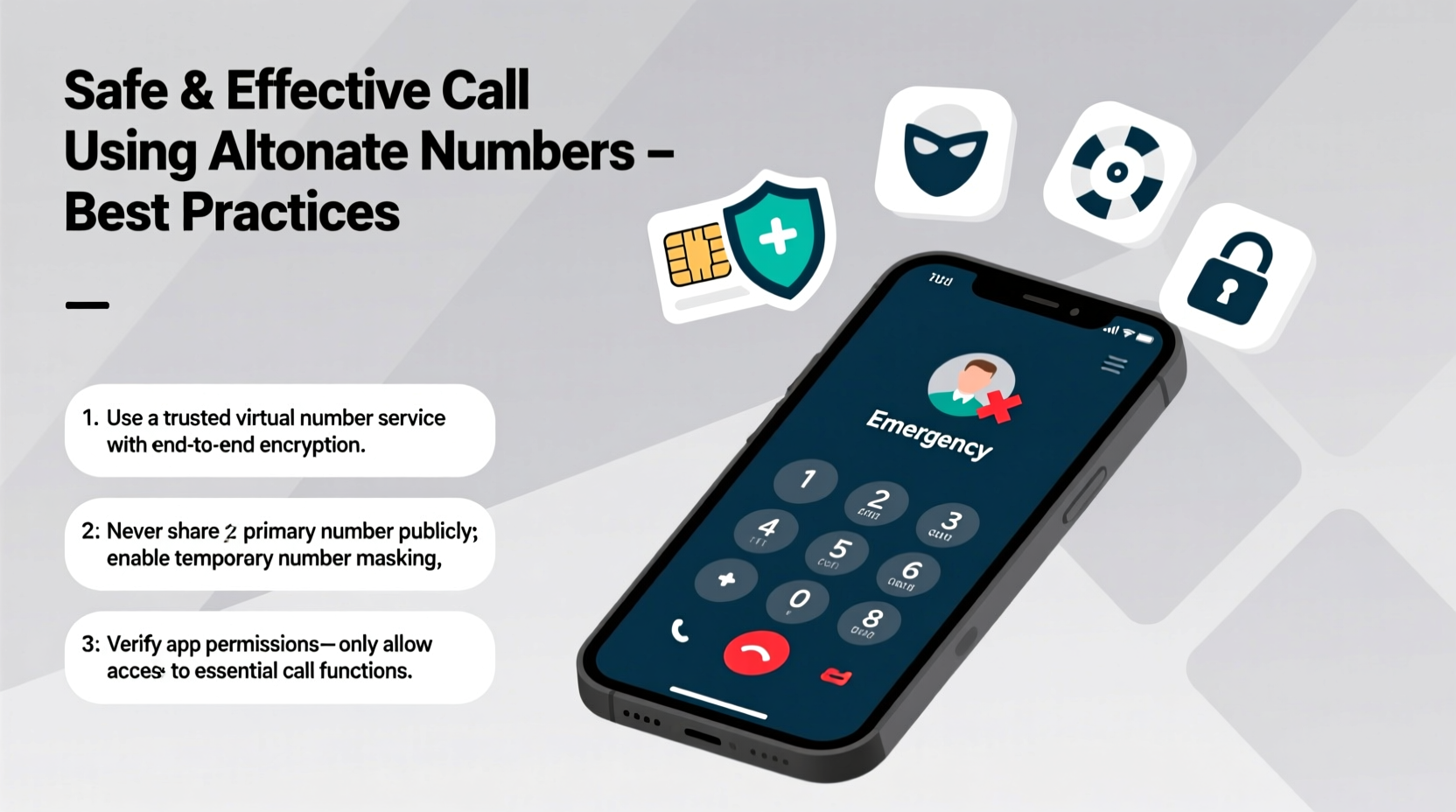
There are numerous valid reasons individuals and professionals choose to use alternative numbers when placing calls:
- Privacy Protection: Shielding your personal number from strangers, online sellers, or service providers.
- Professional Boundaries: Separating business communications from personal life without carrying two devices.
- Marketing & Outreach: Conducting cold calls or customer follow-ups while maintaining brand consistency.
- Safety Concerns: Individuals in sensitive situations (e.g., domestic abuse survivors) may need to conceal their identity.
- Testing Services: Businesses verifying caller ID display or call routing systems.
The key lies in using these capabilities ethically and within legal frameworks—especially since spoofing or misrepresenting identity during calls is restricted under laws like the Truth in Caller ID Act (U.S.) and similar regulations globally.
Top Tools for Calling with a Different Number
A variety of apps and services allow users to place calls through alternate numbers. Below is a comparison of widely used platforms based on features, cost, and reliability.
| Tool | Platform | Cost | Key Features | Best For |
|---|---|---|---|---|
| Google Voice | iOS, Android, Web | Free (U.S. only) | One free U.S. number, voicemail transcription, spam filtering | Personal use, remote workers |
| TextNow | iOS, Android, Web | Free with ads; $5/month ad-free | Free VoIP number, calling & texting over Wi-Fi | Budget-conscious users |
| Line2 | iOS, Android, Desktop | $9.99+/month | Dual-line capability, CRM integration, toll-free options | Small businesses, sales teams |
| Grasshopper | iOS, Android, Web | $29+/month | Virtual office numbers, team extensions, auto-attendant | Entrepreneurs, startups |
| Twilio | API-based | Pay-per-use (~$1/number + usage fees) | Full programmability, global reach, SMS & voice APIs | Developers, enterprise automation |
Each tool serves different needs. Google Voice remains a top choice for individuals seeking simplicity and zero cost, while Grasshopper and Line2 cater to professionals needing scalability and branding control.
Step-by-Step Guide to Setting Up a Secondary Calling Number
Follow this sequence to begin making calls from a different number securely and efficiently:
- Choose Your Purpose: Determine whether the number is for personal privacy, business outreach, or temporary use.
- Select a Reliable Service: Based on your needs, pick a provider from the table above. For most users, Google Voice offers the best balance of functionality and ease.
- Sign Up and Verify: Register using your email and existing phone number. Most services require SMS verification.
- Pick a Number: Choose a local or toll-free number. Some services let you search by area code or vanity digits.
- Configure Settings: Enable call forwarding, voicemail greetings, and spam protection as needed.
- Make Your First Call: Open the app, dial the recipient, and ensure the alternate number appears on their end.
- Test Caller ID: Call your own mobile or ask a colleague to confirm the displayed number matches expectations.
Once configured, you can seamlessly switch between your primary and secondary lines depending on context—no need to carry multiple phones.
“Using a virtual number isn’t about hiding—it’s about controlling how and when people reach you. That’s power in today’s hyper-connected world.” — Sarah Lin, Digital Privacy Consultant
Best Practices for Ethical and Effective Use
To avoid misuse and build trust, adhere to the following guidelines:
- Never Spoof Emergency Numbers: Impersonating 911, police, or government agencies is illegal and dangerous.
- Disclose When Necessary: In business or financial contexts, clearly identify yourself even if the number differs.
- Avoid Deceptive Intent: Using fake numbers to mislead or harass violates federal laws in many countries.
- Maintain Professionalism: Use appropriate voicemail messages and ring tones that reflect credibility.
- Monitor Usage: Regularly review logs and disable unused numbers to reduce exposure risks.
Mini Case Study: A Freelancer Protects Their Privacy
Jamal, a freelance graphic designer, frequently posts on local marketplaces offering logo design services. After sharing his personal number early on, he began receiving late-night calls and unsolicited texts. He switched to using a Google Voice number linked only to his portfolio site. Now, all client inquiries go through the secondary line, which he accesses via his tablet. If a project ends poorly, he can deactivate the number without affecting his personal contacts. His response rate hasn’t dropped—in fact, clients appreciate the structured communication channel.
This example illustrates how a simple tool can enhance both safety and professionalism when used correctly.
Common Mistakes to Avoid
Even well-intentioned users can fall into traps. Here are frequent errors and how to prevent them:
- Assuming All Apps Are Anonymous
- Most services still tie accounts to real emails and phones. True anonymity is rare and often risky.
- Using Unverified Numbers for Banking or Verification
- Many financial institutions block VoIP numbers from receiving SMS codes. Keep your primary number for critical verifications.
- Neglecting Data Security
- If your secondary number is linked to a cloud account, use strong passwords and two-factor authentication to prevent hijacking.
FAQ
Is it legal to call someone from a different number?
Yes, as long as you’re not falsifying your caller ID with intent to defraud, cause harm, or mislead. The FCC permits the use of third-party calling services for legitimate purposes such as privacy protection or business operations.
Can recipients trace a virtual number back to me?
In most cases, no—caller ID will show only the alternate number. However, law enforcement or service providers can trace usage through account records if legally authorized.
Do virtual numbers work internationally?
Some services like Twilio and TextNow support international numbers, but availability varies by country. Incoming calls may be limited, and calling rates can apply.
Final Checklist Before You Start
- ☑ Define the purpose of your alternate number (personal, business, temporary).
- ☑ Choose a reputable service with positive user reviews and clear terms.
- ☑ Ensure compliance with local telecom regulations.
- ☑ Set up professional voicemail and test outgoing caller ID.
- ☑ Never use the number for deceptive or illegal activities.
- ☑ Secure your account with strong login credentials.
Conclusion
Calling from a different number doesn’t have to be complicated or questionable. With the right tools and mindset, it becomes a smart strategy for managing digital boundaries, enhancing professional image, and safeguarding personal information. Technology gives us the power to decide who reaches us—and how we present ourselves in return. By choosing ethical methods, respecting legal limits, and applying practical safeguards, you can communicate confidently across any context.




 浙公网安备
33010002000092号
浙公网安备
33010002000092号 浙B2-20120091-4
Comments
No comments yet. Why don't you start the discussion?