
Spring and autumn are seasons of transition—temperatures fluctuate, layers are essential, and fashion choices must balance warmth with breathability. Two-piece outfits offer a streamlined solution: coordinated separates that elevate your look while allowing flexibility in styling and comfort. Whether you're dressing for work, weekend outings, or social events, mastering the art of pairing tops and bottoms thoughtfully can redefine your seasonal wardrobe.
The key lies in selecting pieces that harmonize in fabric, fit, and aesthetic while adapting to changing conditions. This guide breaks down how to curate two-piece ensembles that are both fashionable and functional, ensuring you stay polished without sacrificing ease.
Selecting the Right Fabrics for Seasonal Transitions
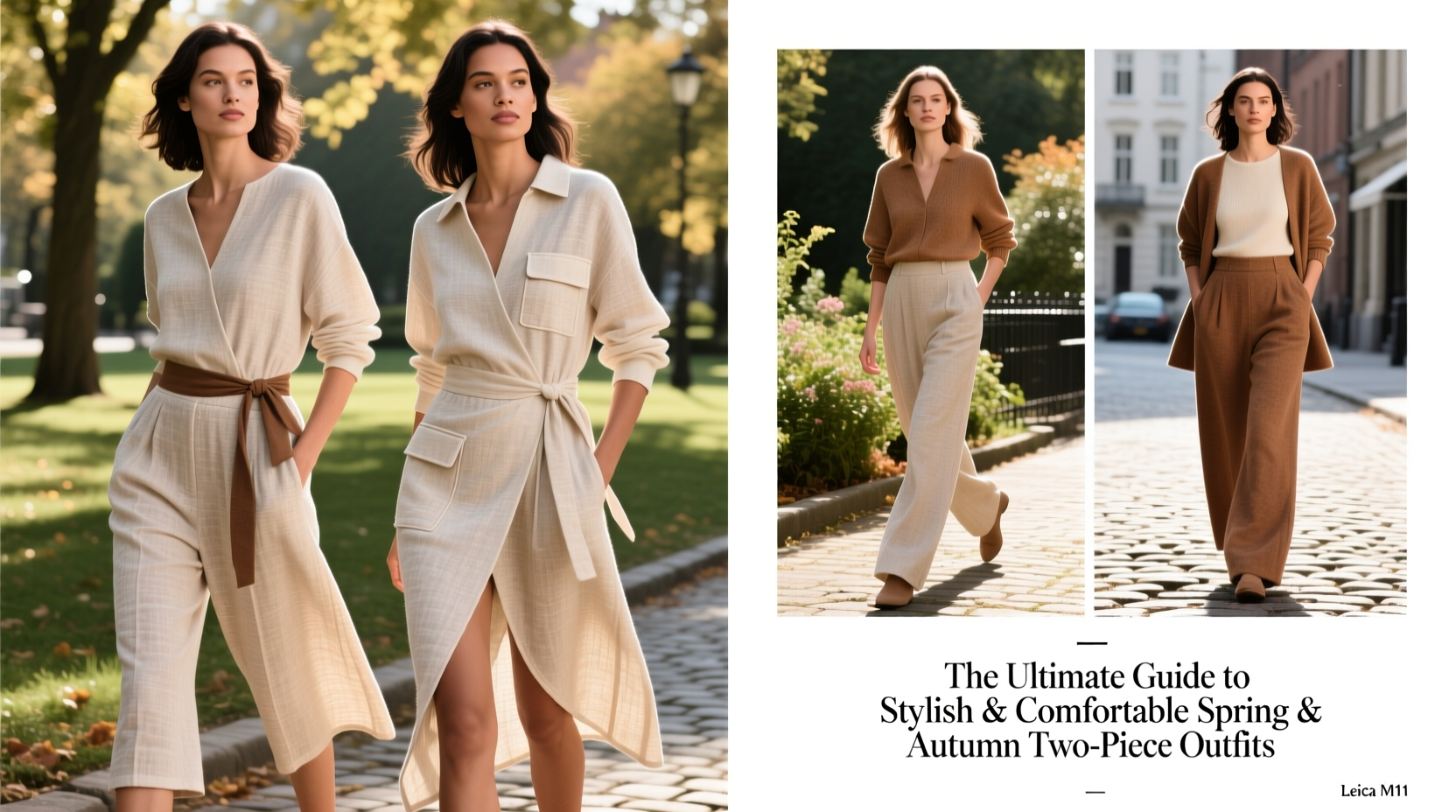
Fabric choice is the foundation of any successful two-piece outfit during spring and autumn. These seasons demand materials that regulate temperature, wick moisture when needed, and maintain structure throughout the day.
Natural fibers like cotton, linen, and wool blends excel in breathability and comfort. Cotton-linen mixes are ideal for early spring or late autumn days, offering softness and airflow. For cooler periods, consider midweight merino wool or brushed cotton twill, which provide insulation without bulk.
Synthetic blends shouldn’t be dismissed outright. Modern performance fabrics often include stretch (like elastane) for movement and wrinkle resistance for longevity. Look for blends with 2–5% spandex in trousers or blazers to enhance mobility without compromising tailoring.
“Fabrics define the experience of wearing an outfit. In transitional months, prioritize textiles that respond to your body’s needs—not just the weather outside.” — Lena Park, Sustainable Fashion Designer
Building a Versatile Color Palette
A cohesive color strategy ensures your two-piece combinations remain stylish across multiple occasions. Unlike matching suits, two-piece outfits allow for tonal variation or complementary contrasts.
Earth tones—olive green, camel, rust, and deep taupe—are staples for autumn and pair effortlessly with denim or neutral knits. In spring, softer hues like sky blue, blush pink, sage, and sand bring freshness without appearing overly bold.
For maximum versatility, adopt a “base-and-accent” approach: keep one piece in a neutral tone (e.g., beige trousers) and pair it with a top in a seasonal shade (e.g., burgundy knit). This method extends wearability and reduces decision fatigue.
| Season | Recommended Base Colors | Accent Pairings |
|---|---|---|
| Spring | Cream, light gray, white | Lavender, coral, mint |
| Autumn | Charcoal, chocolate brown, navy | Mustard, terracotta, forest green |
| All-Season Neutrals | Olive, heather gray, black | Any accent (especially jewel tones) |
Fit and Proportion: Balancing Comfort and Style
An outfit can feature premium materials and perfect colors, but poor fit will undermine its impact. The goal is harmony between silhouette and body shape—neither too tight nor excessively loose.
In spring, lighter fabrics lend themselves to slightly relaxed fits. Consider wide-leg cropped pants with a tucked-in ribbed tank or a flowy tunic top. Autumn calls for more structured tailoring: high-waisted wool blend trousers paired with a fitted sweater create a balanced, professional profile.
Proportions matter. If your top is oversized, opt for slimmer bottoms to avoid visual imbalance. Conversely, wide-leg pants work best with shorter hemlines or cinched waists to maintain definition.
- Avoid boxy tops with baggy bottoms—they flatten shape and appear sloppy.
- Tuck in shirts or use half-tucks to define the waistline.
- Use belts strategically to add polish and adjust volume.
Real-World Example: Olivia’s Workweek Rotation
Olivia, a 34-year-old marketing consultant, faced a common challenge: looking professional during unpredictable spring weather without overpacking her closet. She adopted a capsule system using three two-piece combinations made from sustainable cotton-blend separates.
Her first set—a cream blouse with matching tapered pants—worked for client meetings when layered under a navy blazer. On warmer days, she swapped the blazer for a denim jacket and sandals. Her second set featured olive utility pants and a charcoal henley, ideal for casual Fridays. The third was a rust-colored knit set (short-sleeve top and midi skirt) worn with ankle boots as temperatures dipped in early autumn.
By focusing on mixable textures and consistent fabric weight, Olivia reduced her workwear load by 40% while increasing outfit satisfaction. Each combination could be dressed up or down, proving that thoughtful coordination beats quantity.
Step-by-Step Guide to Curating Your Two-Piece Wardrobe
Follow this five-step process to build a collection of outfits that serve you across spring and autumn:
- Assess your lifestyle needs: Determine how many work, casual, and social outfits you typically wear per week.
- Pick 2–3 core fabrics: Choose season-appropriate materials (e.g., cotton twill, boiled wool, jersey) that align with your climate.
- Define a color framework: Select one neutral base palette and 2–3 accent colors per season.
- Test pairings in real conditions: Wear trial combinations during actual temperature shifts to evaluate comfort and layering potential.
- Invest in quality over quantity: Prioritize well-constructed seams, durable buttons, and pre-shrunk fabrics to extend garment life.
Common Pitfalls to Avoid
Even experienced dressers make missteps when coordinating two-piece looks. Awareness helps prevent recurring issues.
| Pitfall | Why It Fails | Better Alternative |
|---|---|---|
| Matching too literally | Looks costume-like; lacks modern edge | Opt for tonal variation or subtle texture contrast |
| Ignoring care requirements | Different fabrics may need separate washing methods | Choose pieces with similar care labels |
| Overlooking footwear synergy | Clunky shoes ruin a sleek silhouette | Plan footwear before finalizing the outfit |
Frequently Asked Questions
Can I wear the same two-piece outfit for both spring and autumn?
Yes—with strategic layering. A cotton-blend pant and short-sleeve top can be worn alone in spring and under a cardigan or trench coat in autumn. Choose midweight fabrics and neutral colors to maximize crossover.
Are matching sets considered unprofessional?
Not at all. Modern interpretations of co-ords—especially in tailored wool or crepe fabrics—are embraced in creative and corporate settings alike. The key is fit and finish: sharp lines, clean hems, and minimal embellishments convey professionalism.
How do I store two-piece outfits to maintain their shape?
Hang blouses and jackets on padded hangers. Fold knits and trousers to prevent stretching. Store sets together in breathable cotton bags to avoid dust accumulation and fabric degradation.
Final Thoughts: Elevate Your Everyday Style
Two-piece outfits represent the sweet spot between convenience and intentionality. When chosen with attention to fabric, color, and proportion, they become reliable anchors in your seasonal rotation. Spring and autumn reward those who embrace adaptability—by investing in versatile separates, you gain not only style confidence but also practical efficiency.




 浙公网安备
33010002000092号
浙公网安备
33010002000092号 浙B2-20120091-4
Comments
No comments yet. Why don't you start the discussion?