
Cats are meticulous self-groomers, but even the most fastidious feline can develop matted fur—especially long-haired breeds like Persians, Maine Coons, or Ragdolls. Mats form when loose hair tangles with itself, skin oils, or debris, tightening over time into dense clumps that press against the skin. Left untreated, mats cause discomfort, restrict movement, trap moisture, and increase the risk of skin infections. Safely removing them requires patience, proper tools, and a calm approach. This guide walks you through every step of dematting your cat’s fur without causing pain or distress.
Understanding Why Mats Form and Where They Commonly Occur
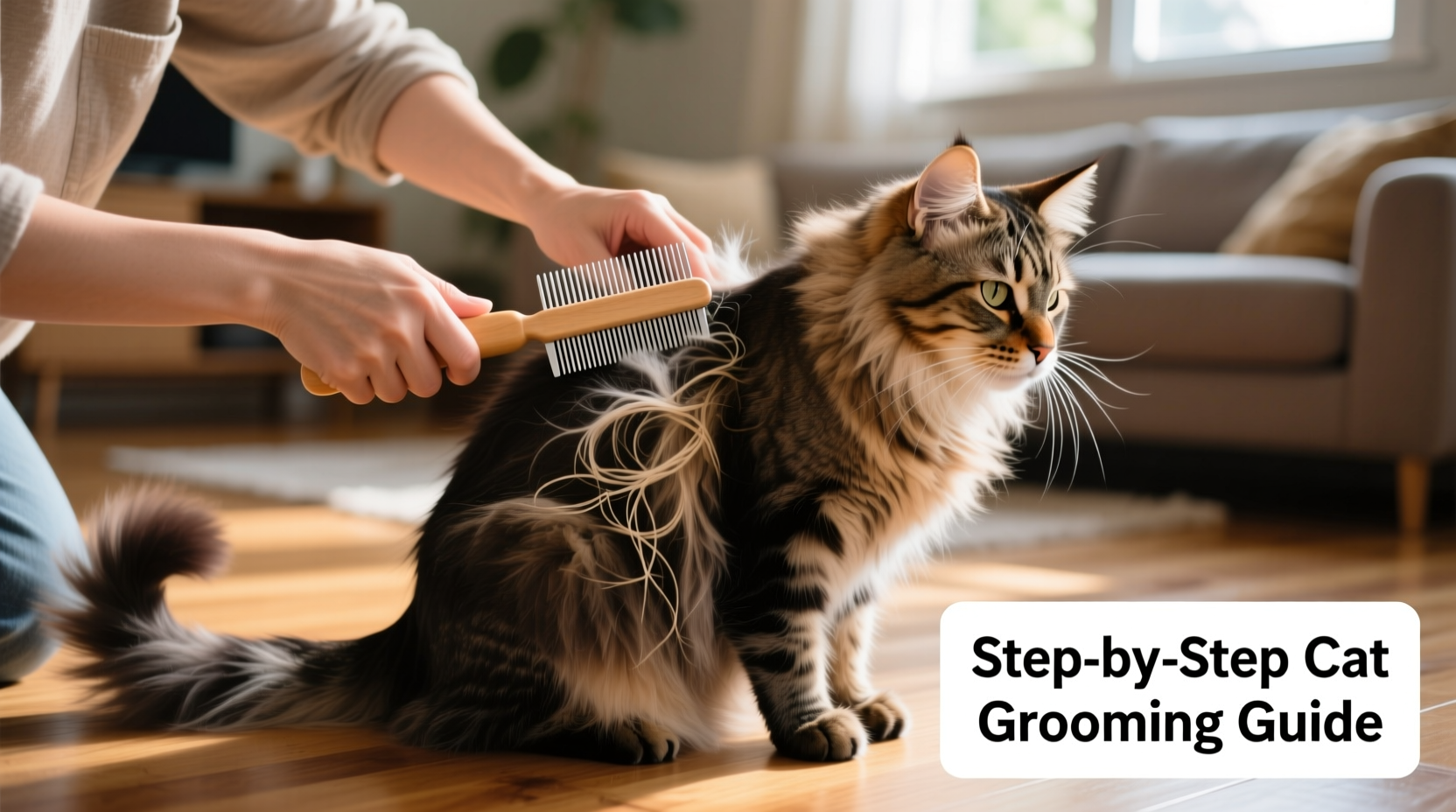
Mats typically appear in areas where friction is frequent or airflow is limited. These include behind the ears, under the armpits, along the back legs, around the tail base, and under the collar. Older cats, overweight cats, or those with arthritis may struggle to reach certain spots during grooming, making them more prone to matting. Stress, poor diet, or underlying health issues can also contribute to dull, brittle fur that tangles easily.
Regular brushing prevents most matting, but once knots tighten beyond finger-width thickness, they require careful intervention. Never pull or cut through mats with scissors—this risks slicing the skin. Instead, use a methodical, gentle process that prioritizes your cat’s comfort.
Essential Tools for Safe Dematting
Using the right equipment ensures effective results while minimizing stress and injury. Here’s what you’ll need:
- Slicker brush – Ideal for breaking up surface tangles.
- Wide-tooth comb – Helps separate mats from the skin gently.
- Dematter tool or mat rake – Specifically designed to slice through thick mats without touching skin.
- Blunt-tipped scissors – For precise trimming only when necessary and safe.
- Styptic powder – In case of accidental nicks (keep on hand).
- Treats and a non-slip mat – To reward cooperation and prevent slipping.
Avoid cheap combs with sharp edges or dull blades that tug rather than cut. Invest in professional-grade tools—they last longer and perform better under pressure.
“Attempting to cut out large mats with household scissors is one of the top causes of emergency vet visits for grooming injuries.” — Dr. Lena Patel, Feline Veterinary Dermatologist
Step-by-Step Guide to Safely Remove Mats
Follow this sequence to demat fur safely and humanely. Work slowly and stop if your cat shows signs of agitation.
- Prepare the Environment: Choose a quiet room with good lighting. Place a non-slip mat on a table or your lap. Have treats ready to reinforce calm behavior.
- Assess the Mat: Gently lift each mat to see how close it is to the skin. If it’s flush against the body or pulling the skin, do not attempt to remove it at home—consult a veterinarian or professional groomer.
- Start with Small Tangles: Use a wide-tooth comb to work through minor snarls starting at the tip of the knot. Hold the base of the mat near the skin to avoid pulling.
- Apply a Detangling Spray: Lightly mist the mat with a pet-safe detangler or water. Let it soak for a minute to loosen fibers. Avoid alcohol-based sprays that dry the skin.
- Use a Dematting Tool: Insert the blade edge of the dematter at the base of the mat, perpendicular to the skin. Use short, upward strokes to cut through the mat from the bottom up. Never press the tool flat against the skin.
- Break Large Mats into Smaller Sections: Divide big clumps into manageable pieces before attempting removal. This reduces tension and minimizes discomfort.
- Comb Through After Removal: Once the mat is gone, brush the area thoroughly with a slicker brush to ensure no hidden tangles remain.
- Reward Calm Behavior: Offer treats and praise throughout the session. Keep sessions short—5 to 10 minutes—to build positive associations.
Do’s and Don’ts of Cat Dematting
| Do’s | Don’ts |
|---|---|
| Use proper dematting tools designed for pets | Use regular scissors near the skin |
| Work in small sections and take breaks | Rush or force your cat to stay still |
| Hold the mat at the base to protect the skin | Pull or yank on tangled fur |
| Moisturize knots with pet-safe spray | Use human conditioners or oils |
| Seek professional help for severe matting | Shave severely matted areas yourself |
When to Call a Professional Groomer or Veterinarian
Some situations require expert care. If your cat has:
- Multiple large mats pressing into the skin,
- Mats covering more than 30% of their body,
- Redness, odor, or discharge beneath mats,
- Visible discomfort or reluctance to be touched,
…it’s time to consult a professional. Many veterinary clinics offer sedated grooming for severely matted cats, allowing safe removal without trauma. A certified feline groomer trained in low-stress handling can also manage moderate cases with minimal anxiety.
Mini Case Study: Bella the Long-Haired Tabby
Bella, a 7-year-old domestic longhair, developed tight mats under her front legs after recovering from dental surgery. Her owner noticed she was grooming less due to pain from her mouth procedure. By week three, two walnut-sized mats had formed. Attempting to comb them caused Bella to hiss and flee.
The owner scheduled a visit with a mobile cat groomer. The groomer used a dematting blade to carefully break down the mats, then gave Bella a sanitary trim. She returned home calm, with smooth fur and no skin irritation. The groomer advised daily 3-minute brushing sessions moving forward. Within a month, Bella resumed normal grooming habits, and no new mats formed.
Prevention Checklist: Keep Your Cat Tangle-Free
Prevention is far easier—and kinder—than treatment. Follow this checklist to maintain a healthy coat:
- ✅ Brush long-haired cats daily; short-haired cats 2–3 times per week.
- ✅ Focus on high-friction zones: behind ears, underarms, hindquarters.
- ✅ Use a detangling spray during peak shedding months (spring and fall).
- ✅ Trim fur around the rear end monthly for hygiene.
- ✅ Monitor older or obese cats more closely for neglected grooming.
- ✅ Schedule professional grooming every 8–12 weeks for long-coated breeds.
Frequently Asked Questions
Can I shave my cat at home to remove mats?
Only if you’re experienced with clippers and your cat is cooperative. Most home clippers overheat or pull fur, increasing injury risk. For anything beyond light trimming, seek a professional. Shaving under anesthesia may be recommended for extensive matting.
Are mats painful for cats?
Yes. As mats tighten, they pull on the skin, restrict movement, and create pressure points. Severe mats can lead to sores, infections, and even mobility issues. Cats often hide discomfort, so early detection is crucial.
What should I do if I accidentally cut my cat’s skin?
Stay calm. Apply gentle pressure with a clean cloth. Use styptic powder if bleeding persists. Monitor for signs of infection. Contact your vet if the wound is deep or doesn’t stop bleeding within 10 minutes.
Final Thoughts: Gentle Care Builds Trust
Grooming isn’t just about appearance—it’s an act of caregiving that strengthens your bond with your cat. Handling mats safely reflects respect for your pet’s physical and emotional well-being. By using the right tools, following a structured approach, and knowing when to call for help, you ensure your cat stays comfortable, healthy, and confident.




 浙公网安备
33010002000092号
浙公网安备
33010002000092号 浙B2-20120091-4
Comments
No comments yet. Why don't you start the discussion?