
Dried citrus slices have become a beloved staple in seasonal décor, especially during the winter holidays. Their rustic charm, natural fragrance, and vibrant color add warmth and elegance to wreaths, garlands, and table centerpieces. However, their organic composition—rich in sugars and moisture residues—can unintentionally invite pantry moths, a common household pest that thrives on dried foodstuffs. Left unchecked, these insects can infest pantries, cupboards, and even stored linens. The good news is that with proper preparation, handling, and maintenance, you can enjoy the beauty of citrus garlands without risking an infestation. This guide walks through science-backed methods to preserve citrus slices safely, store them correctly, and display them in ways that deter pests while enhancing your home’s seasonal aesthetic.
Understanding the Risk: Why Citrus Attracts Pantry Moths
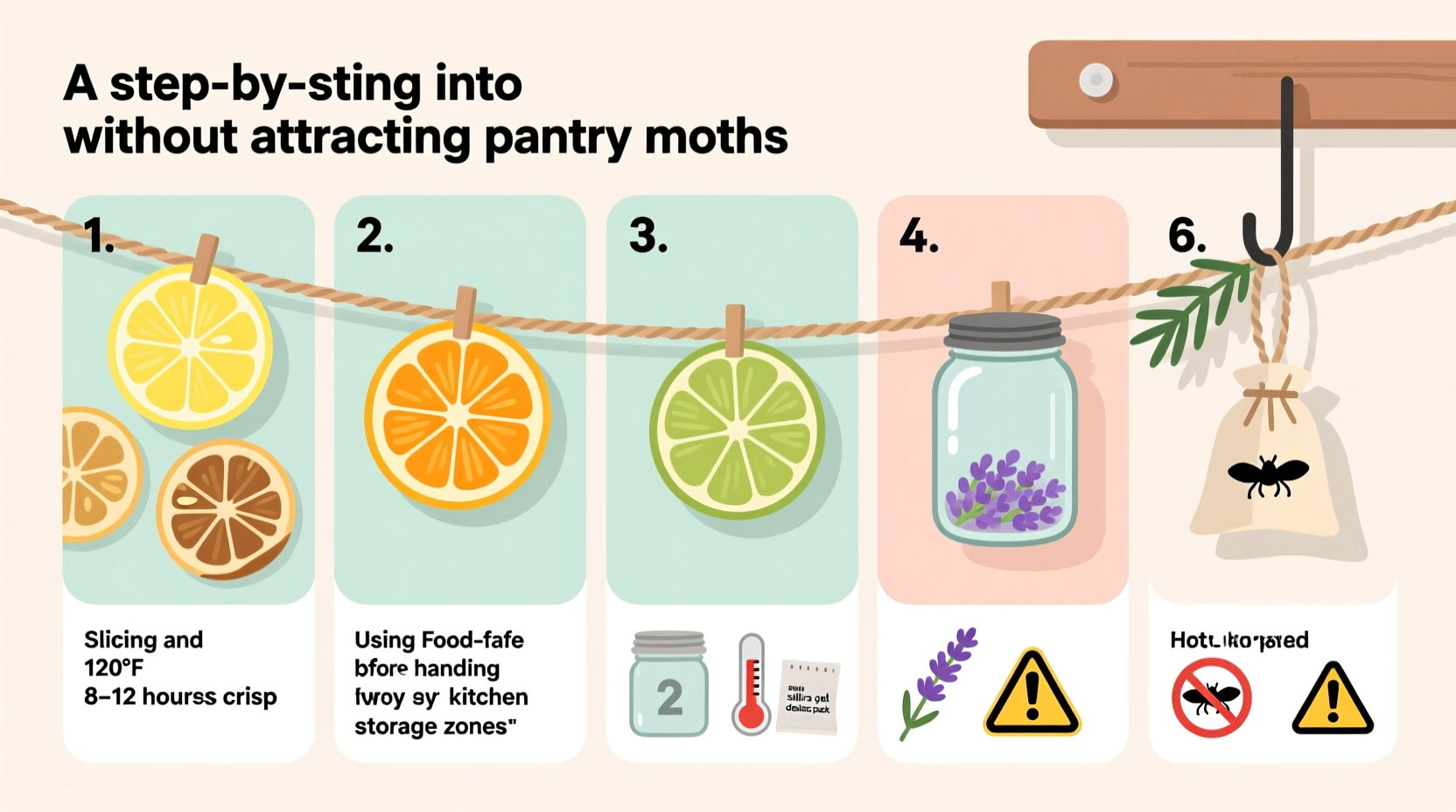
Pantry moths, particularly the Indian meal moth (*Plodia interpunctella*), are drawn to organic materials high in carbohydrates and sugars. While they typically target grains, flour, pasta, and dried fruit, any dehydrated plant matter—including ornamental dried citrus—can serve as a potential breeding ground if residual moisture or sugar remains. When citrus slices are improperly dried or stored in humid conditions, microscopic mold spores or lingering sugars can attract adult moths looking to lay eggs. Once hatched, larvae feed on the material and spread to nearby food sources.
The risk increases when garlands are stored near kitchens, pantries, or unused closets where airflow is limited and monitoring is infrequent. A single overlooked slice can become the starting point of a larger infestation. Therefore, safe incorporation begins not with decoration, but with thorough preparation and awareness of environmental factors.
“Ornamental foods like dried citrus may seem inert, but they still carry biological properties that pests recognize as food. Proper dehydration and sealing are non-negotiable for long-term safety.” — Dr. Lydia Chen, Entomologist & Integrated Pest Management Specialist
Step-by-Step Guide to Safely Prepare Dried Citrus Slices
To minimize attraction and ensure longevity, follow this detailed process for preparing citrus slices intended for garlands:
- Select fresh, firm citrus fruits. Use oranges, lemons, limes, or grapefruits free of bruises or soft spots. Avoid overripe fruit, which contains higher moisture and sugar concentrations.
- Wash and dry thoroughly. Scrub each fruit under cool water to remove waxes, pesticides, or surface contaminants. Dry completely with a clean towel before slicing.
- Slice uniformly. Cut cross-sections between 1/4 to 3/8 inch thick. Uniform thickness ensures even drying and reduces the chance of moist centers.
- Pre-treat (optional but recommended). Soak slices in a mixture of one part lemon juice to three parts water for 5–10 minutes. This lowers pH, inhibits mold growth, and helps preserve color without adding sugars.
- Dry using low heat. Arrange slices on a parchment-lined baking sheet. Bake at 200°F (93°C) for 2–3 hours, flipping every 30 minutes. Alternatively, use a food dehydrator at 135°F (57°C) for 6–8 hours. Slices should be brittle, not leathery.
- Test for dryness. Press the center of a cooled slice. If no moisture appears and it snaps cleanly, it is fully dehydrated.
- Cool and store immediately. Let slices cool completely in a dry, dust-free area before storing or assembling into garlands.
Safe Assembly and Display Techniques
Once properly dried, citrus slices must be incorporated into garlands with care. The goal is to reduce exposure to humidity, pests, and direct contact with food storage zones.
- Use non-porous stringing materials. Opt for twine, jute, or cotton cord instead of elastic or adhesive tapes that degrade over time. Avoid glue-heavy assembly, which can trap moisture.
- Space slices evenly. Allow air circulation between pieces to prevent microclimates of trapped humidity.
- Add natural deterrents. Intersperse slices with dried rosemary, cinnamon sticks, or whole cloves—aromatic herbs that repel moths and complement citrus scents.
- Avoid placing near food storage. Hang garlands in living rooms, entryways, or staircases—not above kitchen cabinets or near pantries.
- Limit display duration. Decorate for no more than 4–6 weeks per season. Afterward, disassemble and discard or compost slices responsibly.
For indoor climates with high humidity (above 60%), consider applying a light, food-safe sealant such as shellac or beeswax spray. These create a barrier that locks in dryness and deters insect access. Apply in a well-ventilated area and allow 24 hours to cure before use.
Storage Do’s and Don’ts: Protecting Off-Season Decor
If you plan to reuse dried citrus garlands year after year, proper off-season storage is critical. Most infestations occur not during display, but when ornaments are packed away in basements, attics, or under beds—areas prone to temperature fluctuations and unnoticed pest activity.
| Action | Do | Don’t |
|---|---|---|
| Container Choice | Airtight glass jars or vacuum-sealed bags | Cardboard boxes or open baskets |
| Location | Cool, dry interior closet with stable temperature | Garage, attic, or basement with humidity swings |
| Pre-storage Check | Inspect for mold, dust, or insect signs; re-bake at 200°F for 30 min if uncertain | Store directly after use without cleaning |
| Pest Deterrents | Add cedar blocks or dried lavender sachets to storage container | Use mothballs—they emit toxic fumes and leave residue |
| Duration | Store up to 12 months max; replace annually | Keep indefinitely “just in case” |
Real Example: A Holiday Tradition Saved from Infestation
In 2022, Sarah M., a craft blogger from Vermont, returned from a two-week vacation to find her pantry overrun with webbing and tiny moths. The source? A beloved citrus-cinnamon garland stored in a wooden box beneath her kitchen stairs. She had proudly reused the garland for three consecutive years, believing its dry appearance meant it was safe. However, a small section of orange slice had absorbed moisture during a spring thaw, developing invisible mold that attracted egg-laying moths. The larvae migrated to nearby flour and oat bins within weeks.
After consulting a pest control expert, Sarah adopted a new protocol: she now uses only freshly dried citrus each season, stores components in mason jars with silica gel packs, and displays garlands away from food areas. She also documents her process online, warning others that “sentimental value shouldn’t override food safety.” Her updated method has prevented recurrence—and earned praise from followers who’ve avoided similar issues.
Checklist: Safe Citrus Garland Protocol
Follow this checklist every time you prepare or store dried citrus decor:
- ☐ Wash and slice citrus uniformly (¼–⅜ inch)
- ☐ Pre-soak in lemon-water solution (optional)
- ☐ Dehydrate completely (oven or dehydrator)
- ☐ Confirm dryness by snapping a test slice
- ☐ Cool completely before handling
- ☐ Assemble with breathable materials and aromatic deterrents
- ☐ Display away from kitchens and food storage
- ☐ Limit display to 6 weeks maximum
- ☐ Disassemble and inspect before storage
- ☐ Store in airtight container with desiccant pack
- ☐ Label with date and location
- ☐ Replace all organic components annually
Frequently Asked Questions
Can I reuse dried citrus slices from last year’s garland?
It’s not recommended. Even if slices appear intact, they may harbor microscopic mold spores, residual moisture, or undetected insect eggs. Given their low cost and ease of replacement, it’s safer to start fresh each season.
Are there non-food alternatives that look like citrus?
Yes. Felt, paper, or wood-cutout citrus shapes offer a moth-proof alternative. For a natural look without risk, consider using sliced and painted gourds or commercially made resin citrus ornaments designed for décor.
What should I do if I find moths near my garland?
Immediately remove the garland and seal it in a plastic bag. Freeze it for 72 hours to kill any eggs or larvae, then dispose of it in an outdoor trash bin. Inspect nearby food items, clean shelves with vinegar or alcohol, and deploy pheromone traps to monitor further activity.
Final Thoughts: Beauty Without the Risk
Dried citrus garlands blend natural elegance with seasonal warmth, but their organic nature demands respect and caution. By understanding the behavior of pantry moths and adhering to rigorous drying, assembly, and storage practices, you can enjoy their visual appeal without compromising your home’s hygiene. The key lies in treating decorative food elements not as inert objects, but as biodegradable materials that require the same care as stored pantry goods. With attention to detail and a commitment to annual renewal, your citrus décor can remain a safe, cherished tradition for years to come.




 浙公网安备
33010002000092号
浙公网安备
33010002000092号 浙B2-20120091-4
Comments
No comments yet. Why don't you start the discussion?