
Cayenne pepper is a staple in kitchens around the world, prized for its vibrant color, sharp aroma, and potent heat. While it enhances everything from soups to marinades, improper handling or overuse can lead to discomfort, irritation, or ruined dishes. Understanding how to prepare and use cayenne pepper safely ensures you harness its bold flavor without compromising your health or culinary results. Whether you're a home cook exploring spice or a seasoned chef refining technique, mastering cayenne’s nuances elevates both safety and taste.
Definition & Overview
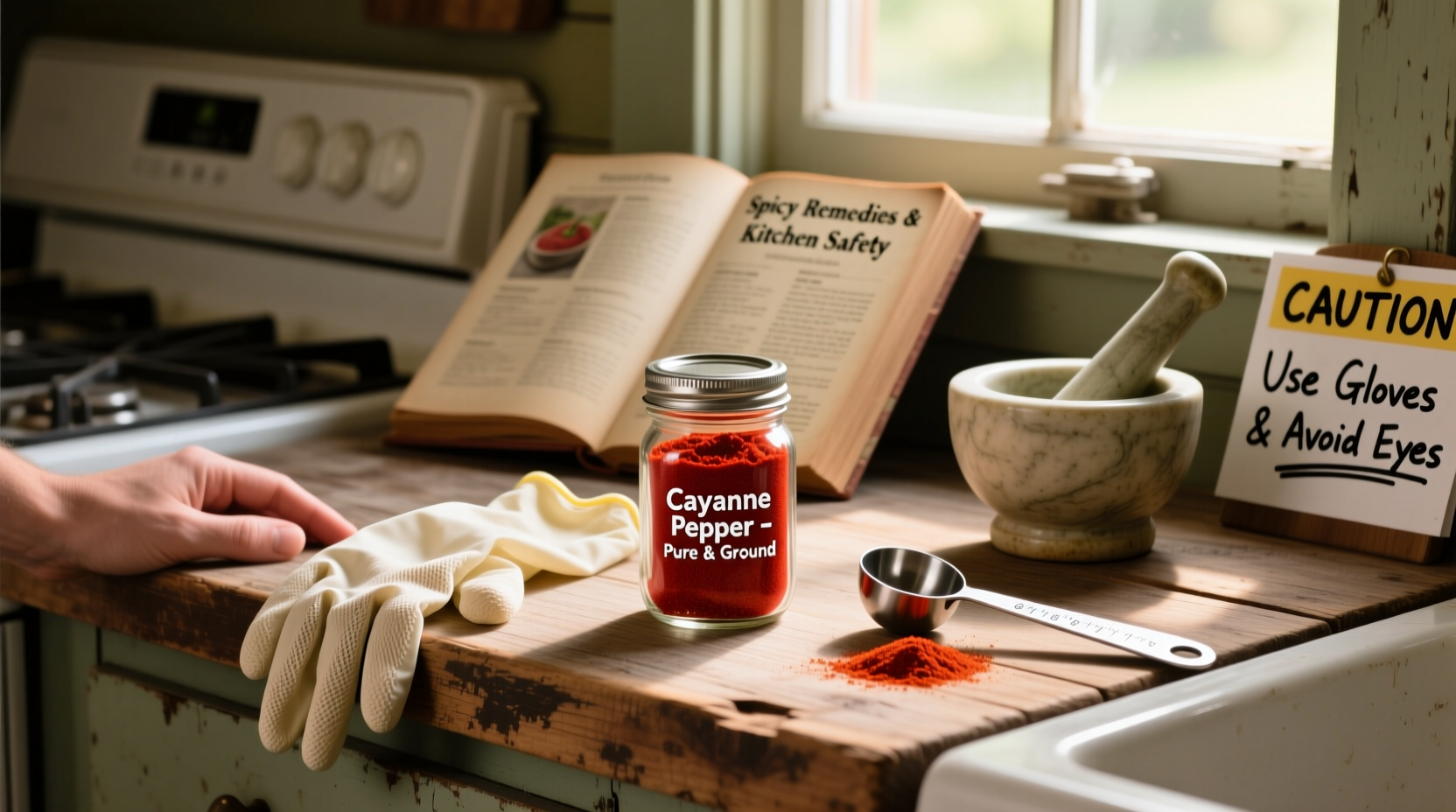
Cayenne pepper is a hot chili pepper derived from various cultivars of *Capsicum annuum*, typically dried and ground into a fine red powder. Native to Central and South America, it was introduced to global cuisines through trade routes and has since become essential in Creole, Cajun, Indian, and African cooking. The name “cayenne” originates from the city of Cayenne in French Guiana, though the spice is now cultivated widely in India, China, and Africa.
The pepper ranges from 30,000 to 50,000 Scoville Heat Units (SHU), placing it firmly in the medium-to-hot category—hotter than jalapeños but milder than habaneros. Its primary active compound, capsaicin, is responsible for both its fiery sensation and many of its health benefits, including anti-inflammatory and metabolism-boosting properties. In culinary applications, cayenne functions as both a seasoning and a coloring agent, adding depth and warmth rather than just heat.
Key Characteristics
| Characteristic | Description |
|---|---|
| Flavor Profile | Sharp, slightly fruity, with a clean burn that builds gradually. Not smoky or earthy like paprika or chipotle. |
| Aroma | Pungent, peppery, mildly vegetal when fresh; more concentrated and acrid when powdered. |
| Color | Bright red in powdered form; fresh peppers are slender and vivid red when mature. |
| Heat Level | 30,000–50,000 SHU—moderate to high. Capsaicin concentration varies by crop and processing. |
| Culinary Function | Seasoning, heat enhancer, colorant, preservative (due to antimicrobial properties). |
| Shelf Life | Ground cayenne: 2–3 years if stored properly. Whole dried peppers: up to 4 years. |
| Common Forms | Ground powder, dried whole peppers, flakes, liquid extract, capsules (for supplements). |
Practical Usage: How to Use Cayenne Pepper Safely in Cooking
Cayenne pepper should be treated with respect—not fear. Its potency demands precision, but when used correctly, it brings balance and complexity to dishes. The key lies in controlled application, proper timing, and understanding its interaction with other ingredients.
Measuring and Adding Cayenne
Always start small. A pinch (about ⅛ teaspoon) of ground cayenne is often sufficient to season four servings of soup or sauce. Taste incrementally after each addition. Because heat perception lags behind flavor absorption, wait at least 30 seconds before adjusting.
Add cayenne early in cooking to mellow its sharpness, especially in long-simmered dishes like stews or curries. For a brighter, more immediate heat, stir it in during the final minutes. When using in dry rubs or spice blends, mix thoroughly to avoid concentrated pockets of heat.
Suitable Dishes and Pairings
- Eggs and breakfast dishes: A dash in scrambled eggs or omelets adds vibrancy.
- Marinades and sauces: Complements citrus, garlic, soy, and vinegar-based liquids.
- Roasted vegetables: Toss carrots, sweet potatoes, or Brussels sprouts with olive oil and a pinch of cayenne before roasting.
- Seafood: Enhances blackened fish or shrimp étouffée without overpowering delicate flavors.
- Beverages: Used sparingly in micheladas, bloody marys, or spiced chai.
- Baking: Appears in gingerbread, spiced cakes, and chocolate desserts for subtle warmth.
Pro Tip: Bloom cayenne in warm oil before adding to sauces. Heat helps release capsaicin evenly and integrates flavor more smoothly. Sauté briefly with onions or garlic—no more than 30 seconds—to deepen its profile without burning.
Professional Techniques
In restaurant kitchens, chefs often pre-mix cayenne into base blends like Cajun seasoning, curry powder, or harissa paste to ensure even distribution. Some use calibrated droppers for liquid cayenne extracts in high-volume production. Sous-vide applications benefit from precise cayenne dosing, where heat amplifies spice over time.
When plating spicy dishes, garnish with cooling elements—such as sour cream, yogurt, or pickled vegetables—to provide contrast and palate relief.
Variants & Types of Cayenne Pepper
Not all cayenne is created equal. Different forms serve distinct purposes in food preparation and safety.
| Type | Description | Best Use Cases |
|---|---|---|
| Ground Cayenne Powder | Fine, bright red powder made from dried, milled peppers. Most common form. | Dry rubs, soups, sauces, baking. Ideal for consistent dispersion. |
| Whole Dried Cayenne Peppers | Intact dried pods, sometimes still on stems. More aromatic than ground. | Simmered in broths, infused oils (remove before serving), or rehydrated for pastes. |
| Cayenne Flakes | Coarsely crushed pieces. Less dusty, easier to control visually. | Pizza, pasta, stir-fries—where texture and visual speckling matter. |
| Liquid Cayenne Extract | Alcohol- or vinegar-based tincture. Highly concentrated. | Medicinal uses, cocktail bitters, or industrial seasoning. Use drop by drop. |
| Organic vs. Conventional | Organic versions are grown without synthetic pesticides. May have more volatile oils. | Preferred for health-focused diets and clean-label products. |
When choosing between types, consider both function and safety. Ground cayenne disperses easily but can become airborne—increasing inhalation risk. Whole peppers allow better control but require cutting, which releases capsaicin into the air and onto surfaces.
Comparison with Similar Ingredients
Cayenne is often confused with other red spices. Understanding the differences prevents misuse and improves recipe accuracy.
| Ingredient | Heat Level (SHU) | Flavor Notes | Key Differences from Cayenne |
|---|---|---|---|
| Paprika | 0–10,000 (sweet to hot) | Earthy, sweet, smoky (if smoked) | Much milder; used primarily for color and depth, not heat. Substituting cayenne for paprika drastically increases spiciness. |
| Crushed Red Pepper Flakes | 15,000–30,000 | Variable, often includes seeds and skins | Less consistent; mixture of chili types. Milder on average and coarser in texture. |
| Chipotle Powder | 2,500–8,000 | Smoky, woody, slightly sweet | Derived from smoked jalapeños. Adds smoke, not pure heat. Not interchangeable with cayenne. |
| Chili Powder (U.S. blend) | Varies widely | Often contains cumin, garlic, oregano | A seasoning blend, not a single ingredient. May contain small amounts of cayenne but is not a direct substitute. |
\"Many cooks assume all red chili powders are the same. But substituting cayenne for smoked paprika in a lamb stew will give you fire instead of nuance. Know your spice rack like you know your knife skills.\" — Chef Elena Ruiz, Culinary Instructor, Institute of Southern Cuisine
Practical Tips & FAQs
How do I handle cayenne safely?
Wear gloves when handling fresh or dried whole cayenne peppers. Avoid touching your face, especially eyes, nose, or mouth. If using bare hands, wash thoroughly with soap and cool water immediately after. Work in a well-ventilated area—especially when grinding or sifting—to prevent inhaling airborne particles, which can irritate lungs and nasal passages.
What if I’ve added too much cayenne to a dish?
Dilution is the most effective remedy. Add more of the base ingredients—such as broth, tomatoes, or beans—to reduce heat concentration. Incorporate dairy (cream, yogurt, cheese), acid (lemon juice, vinegar), or sweetness (honey, sugar) to counterbalance the burn. Coconut milk works particularly well in curries.
Can I substitute cayenne for other chilies?
Yes, but cautiously. Replace ½ teaspoon cayenne with 1 teaspoon mild paprika plus a few drops of hot sauce for similar color and adjustable heat. For chipotle, combine a pinch of cayenne with smoked salt or a touch of liquid smoke. Always adjust to taste.
How should I store cayenne pepper?
Keep ground cayenne and whole peppers in airtight glass or metal containers, away from heat, light, and moisture. Store in a cool, dark cupboard—never above the stove. Exposure to humidity degrades potency and encourages mold. Label containers with purchase dates; replace ground cayenne after 24 months for optimal flavor.
Is cayenne pepper safe for everyone?
Most people tolerate culinary amounts well. However, individuals with acid reflux, ulcers, or irritable bowel syndrome (IBS) may experience discomfort. Pregnant women and those on blood thinners should consult a physician before consuming large quantities or taking supplements. Never apply undiluted cayenne topically without medical guidance.
Can cayenne go bad?
It doesn’t spoil in the traditional sense but loses potency over time. Check freshness by aroma: fresh cayenne has a sharp, clean scent. If it smells flat or musty, discard it. Visible clumping or moisture indicates contamination—do not use.
Storage Checklist:
✅ Use opaque, airtight containers
✅ Keep away from sunlight and stoves
✅ Label with date of purchase
✅ Store whole peppers separately from ground to preserve integrity
✅ Do not refrigerate unless in humid climates (and only if sealed perfectly)
What are signs of quality cayenne?
Look for deep, uniform red color—dull or brownish powder suggests age or poor drying. High-quality cayenne has a crisp, penetrating aroma and dissolves cleanly in oil. Reputable brands list the country of origin and avoid fillers like silicon dioxide or anti-caking agents. Organic certifications add assurance of purity.
Summary & Key Takeaways
Cayenne pepper is a powerful culinary tool that demands careful handling and informed usage. Respecting its heat level, understanding its forms, and applying it with precision ensures flavorful, balanced dishes without unintended consequences.
- Cayenne measures 30,000–50,000 SHU—moderately hot and capable of dominating a dish if overused.
- Always measure carefully, add gradually, and allow time for heat to develop before adjusting.
- Use gloves and ventilation when preparing fresh or dried peppers to avoid skin and respiratory irritation.
- Different forms—powder, flakes, whole, liquid—serve different purposes; choose based on recipe needs.
- Store in a cool, dark, dry place in airtight containers to preserve potency for up to three years.
- Never confuse cayenne with paprika, chili powder, or chipotle—each has unique flavor and heat profiles.
- If a dish becomes too spicy, dilute with base ingredients or balance with fat, acid, or sweetness.
Final Thought: Mastering cayenne isn’t about enduring heat—it’s about controlling it. The best use of spice is not to overwhelm, but to awaken. Treat cayenne with care, and it will reward you with depth, warmth, and lasting impression.




 浙公网安备
33010002000092号
浙公网安备
33010002000092号 浙B2-20120091-4
Comments
No comments yet. Why don't you start the discussion?