
Adhesive hooks are a renter’s best friend—quick to install, easy to use, and ideal for hanging lightweight items without drilling holes. But when it comes time to take them down, many people face the dreaded moment: peeling off the hook only to discover cracked paint, torn drywall paper, or stubborn residue left behind. The good news is that with the right approach, you can remove adhesive hooks cleanly and preserve your walls’ integrity. Whether you’re moving out, redecorating, or simply reorganizing, this guide walks you through safe, tested methods that protect both paint and surface.
Understanding How Adhesive Hooks Work
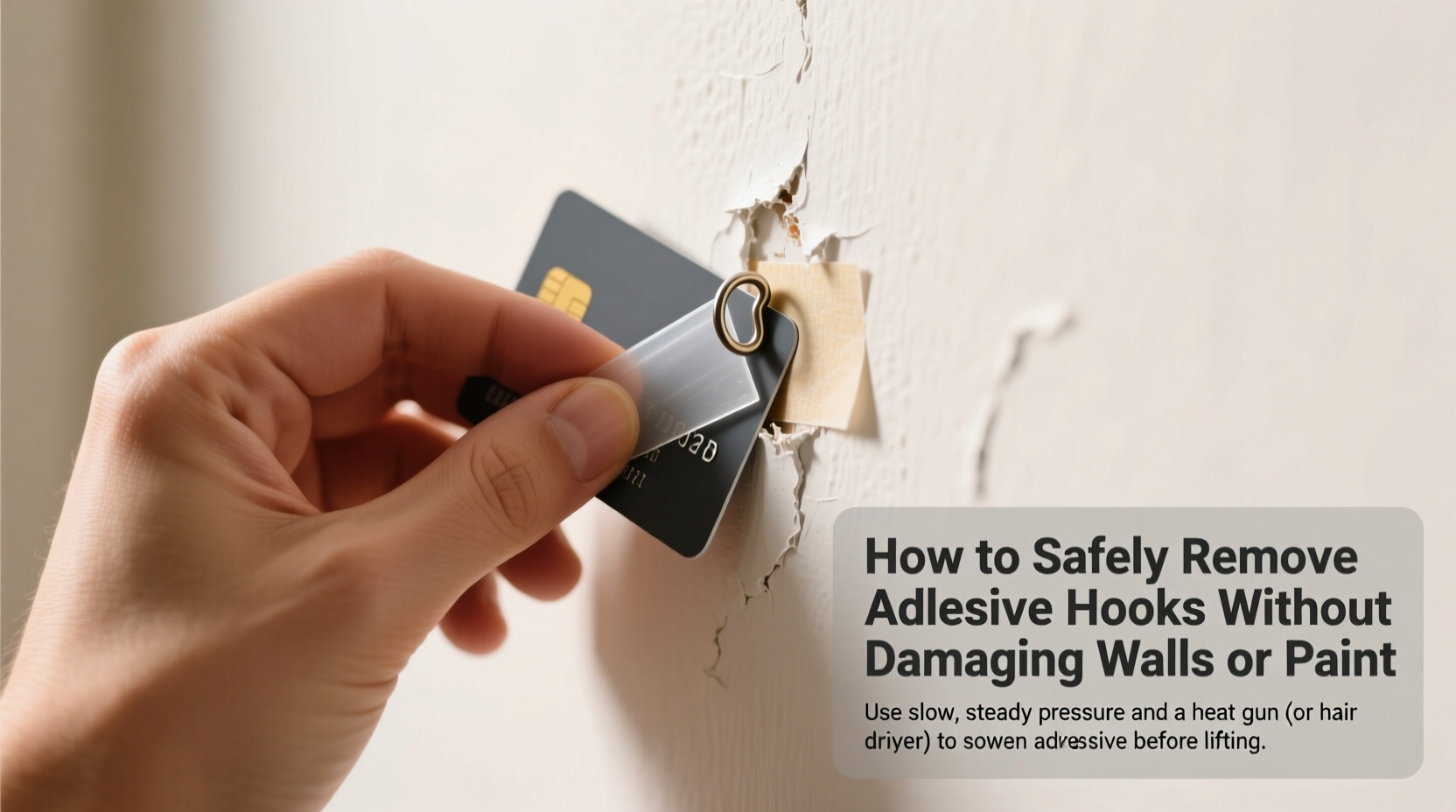
Most adhesive hooks rely on a strong, pressure-sensitive backing—typically made from acrylic or rubber-based adhesives—that bonds securely to smooth surfaces. When applied correctly, these hooks can hold several pounds of weight. However, their strength becomes a liability during removal if not handled properly. The longer they stay in place, the more firmly they adhere, especially in warm environments where the adhesive softens and spreads slightly into microscopic pores in the wall.
The key to damage-free removal lies in understanding the bond between the adhesive and the surface. Sudden tugging often causes paint layers to lift because the adhesive grips more tightly than the top coat adheres to the primer beneath. Instead, gradual release techniques—using controlled force, temperature, or chemical softening—break the bond gently.
Step-by-Step Guide to Removing Adhesive Hooks Safely
Follow this detailed sequence to remove any adhesive hook while preserving your walls. These steps apply to most common types, including Command™ strips, Scotch hooks, and generic sticky-back hangers.
- Assess the Surface and Hook Type
Check whether the wall is painted drywall, tile, wood, or another material. Glossy paints typically resist damage better than flat finishes. Also, determine if the hook uses a removable strip system (like Command) or direct adhesive. - Gently Warm the Adhesive
Use a hairdryer on low heat, holding it about 6 inches from the hook for 30–60 seconds. Heat softens the adhesive, reducing its grip. Do not overheat—excessive warmth can bubble paint or warp plastic components. - Begin Peeling at a Shallow Angle
Using your fingernail or a plastic putty knife, start lifting one edge of the hook base. Pull slowly at less than a 30-degree angle relative to the wall. This technique distributes force across the bond rather than concentrating it at a single point. - Continue Slowly Along the Base
Maintain steady tension as you work your way along the adhesive strip. If resistance increases, pause and reapply heat. Avoid jerking motions. - Remove Residue (If Present)
Once the hook is off, inspect for leftover adhesive. Use one of the cleaning methods described below to clean the area without scratching or staining. - Clean and Inspect the Wall
Wipe the spot with a damp microfiber cloth. Let it dry completely before deciding if touch-up paint is needed.
Effective Methods for Removing Stubborn Adhesive Residue
Even after successful hook removal, some stickiness may remain. Here are four reliable ways to eliminate residue without harming paint:
- Isopropyl Alcohol (70% or higher): Dampen a cotton ball or soft cloth and gently rub the area in circular motions. Effective for most adhesives but test on a hidden spot first—alcohol can dull certain finishes.
- Household Oils (Olive, Coconut, or Baby Oil): Apply a few drops and let sit for 5–10 minutes. The oil breaks down adhesive polymers. Wipe clean with a lint-free cloth, then wash with mild soap and water to remove oily film.
- Vinegar Solution: Mix equal parts white vinegar and water. Soak a cloth and lay it over the residue for 5 minutes. Gently scrub with a non-abrasive sponge.
- Commercial Adhesive Removers: Products like Goo Gone or 3M Adhesive Remover work quickly. Follow label instructions carefully and ventilate the room. Avoid overspray near trim or flooring.
Do’s and Don’ts When Removing Adhesive Hooks
| Do | Don’t |
|---|---|
| Test removal methods on a small, inconspicuous area first | Pull straight down or yank the hook off abruptly |
| Use a plastic scraper instead of metal tools | Use sharp objects like box cutters or utility knives |
| Apply gentle heat with a hairdryer | Use boiling water or open flames near walls |
| Clean residue with oil or alcohol-based solutions | Scrub aggressively with steel wool or abrasive pads |
| Allow adhesive removers to dwell briefly before wiping | Leave solvents sitting too long—they may etch paint |
Mini Case Study: Tenant Removes 12 Hooks Before Lease End
Sarah rented a two-bedroom apartment in Portland and used adhesive hooks throughout her kitchen, bathroom, and living room to hang towels, utensils, and decor. After two years, she decided to move and wanted to avoid losing her security deposit due to wall damage.
Instead of pulling everything off hastily, Sarah spent a weekend systematically removing each hook. She used a hairdryer to warm each one for 45 seconds, peeled slowly with a credit card edge, and cleaned residue with diluted isopropyl alcohol. For tougher spots, she applied coconut oil and wiped after 10 minutes. Out of 12 hooks, only one left minor fuzzing on the paint—a tiny patch she touched up with leftover paint provided by the landlord.
At her final inspection, the property manager noted the walls were in “excellent condition” and returned her full deposit. Sarah credited her success to patience and methodical technique—proving that careful removal pays off.
Expert Insight: What Painters Recommend
“Many tenants think adhesive means ‘no damage,’ but I’ve seen countless walls with peeled paint from improper removal. The safest method? Low-angle peeling combined with light heat. And never skip testing solvents first.” — Marcus Reed, Professional Painter & Home Restoration Specialist
Tips for Specific Surfaces
Different wall materials react differently to adhesives and removal methods. Tailor your approach accordingly:
- Painted Drywall: Most vulnerable to damage. Flat and eggshell finishes are more likely to lift than semi-gloss. Always go slow and use heat.
- Tile (Bathroom/Kitchen Backsplash): Highly resistant. You can usually remove hooks easily, even after years. Any residue wipes off cleanly with alcohol or vinegar.
- Wood Paneling or Trim: Stain or varnish can be sensitive to solvents. Test oil first; avoid alcohol unless necessary.
- Wallpaper: Extremely delicate. Adhesive hooks often cause irreversible tearing. If already applied, warm gently and peel at the shallowest possible angle. Accept that some damage may occur.
Checklist: Damage-Free Adhesive Hook Removal
Use this checklist before and during removal to ensure optimal results:
- ☐ Identify the wall surface and paint finish
- ☐ Gather tools: hairdryer, plastic scraper, cotton cloths, isopropyl alcohol, oil, mild cleaner
- ☐ Test solvent on a hidden area (e.g., behind outlet cover)
- ☐ Warm the adhesive for 30–60 seconds with a hairdryer
- ☐ Begin peeling at less than 30 degrees using fingernail or plastic edge
- ☐ Maintain slow, consistent motion—do not rush
- ☐ Clean residue with appropriate solution
- ☐ Wipe with damp cloth and allow to dry
- ☐ Inspect for imperfections and plan touch-ups if needed
Frequently Asked Questions
Can I reuse adhesive hooks after removing them?
No. Once removed, the adhesive loses its bonding capability and structural integrity. Reapplying leads to premature failure. Always replace with a new hook.
Will removing adhesive hooks always leave marks?
Not necessarily. With proper technique, many removals leave no trace. However, older installations (over 12 months), poor paint adhesion, or aggressive removal increase the risk of marks.
What should I do if paint lifts during removal?
If a small amount of paint comes off, lightly sand the area with fine-grit paper, wipe clean, and apply matching paint with a small brush. For larger patches, consider spackle followed by repainting. Keep leftover paint from original jobs for repairs.
Conclusion: Protect Your Walls with Smart Habits
Removing adhesive hooks doesn’t have to mean sacrificing your walls. With patience, the right tools, and a clear understanding of how adhesives bond, you can take down hooks cleanly and confidently. The difference between a flawless wall and a repair job often comes down to just a few degrees of pulling angle or an extra 15 seconds of heat application. Whether you're preparing for a lease inspection, selling your home, or simply rearranging, treating your walls with care ensures they stay intact and attractive for years to come.




 浙公网安备
33010002000092号
浙公网安备
33010002000092号 浙B2-20120091-4
Comments
No comments yet. Why don't you start the discussion?