
Matte phone cases are prized for their sleek, non-reflective finish and comfortable grip. However, their textured surface is more vulnerable to staining than glossy counterparts—especially when accidental permanent marker marks appear. Whether it’s a child’s doodle, a misplaced signature, or an ink leak, removing permanent marker without ruining the delicate matte coating requires care and precision. Unlike smooth surfaces, matte finishes can be easily compromised by abrasive cleaners or harsh solvents, leading to shine spots, discoloration, or texture loss. This guide provides tested, safe methods to eliminate ink stains while preserving the integrity of your case.
Understanding Matte Case Materials and Risks
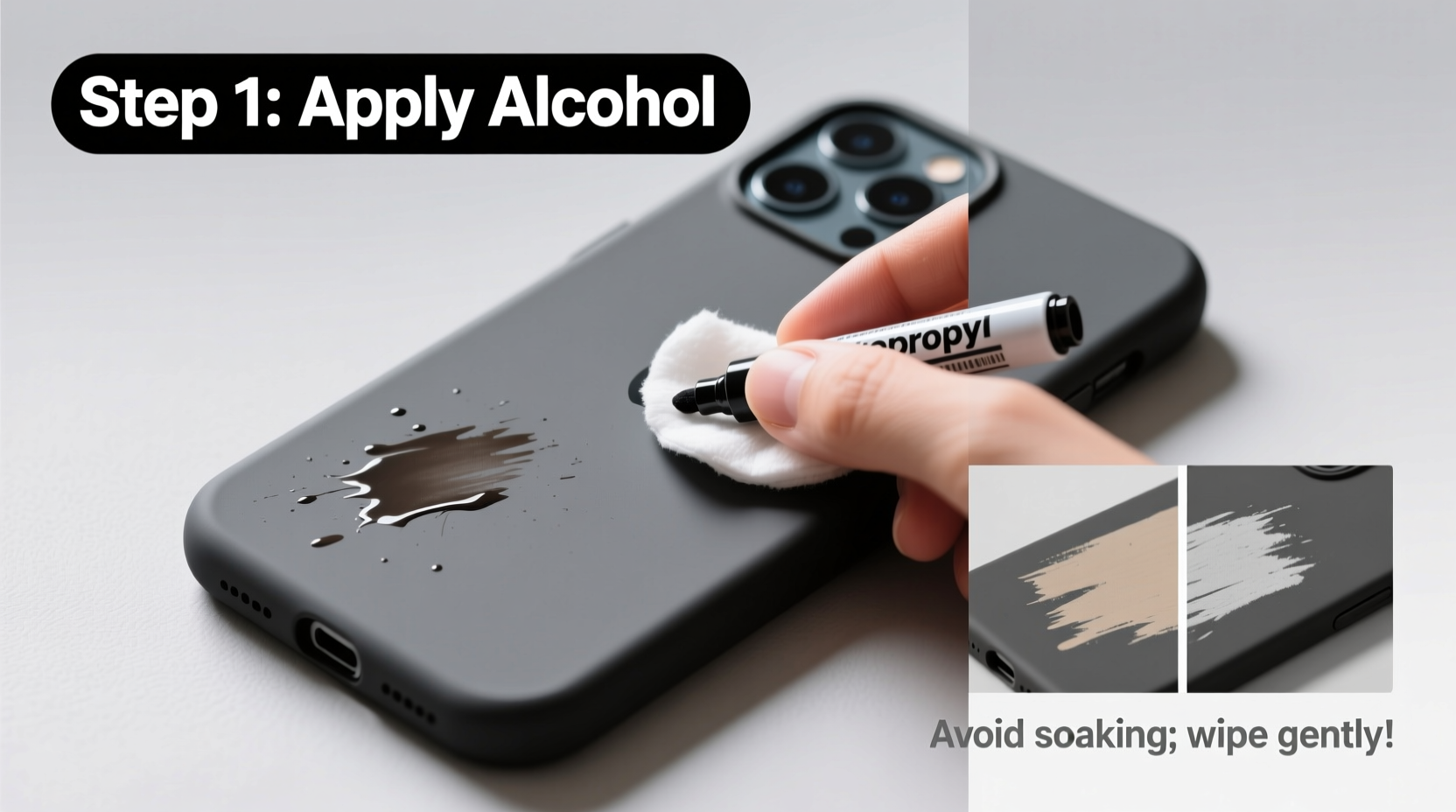
Most matte phone cases are made from soft-touch TPU (thermoplastic polyurethane), silicone, or polycarbonate with a specialized coating that diffuses light to create the non-glossy appearance. This coating is often a thin layer applied over the base material, making it sensitive to chemicals and friction. Permanent markers use alcohol-based or oil-based inks designed to adhere strongly to surfaces, which means they bond tightly to porous or coated materials like matte plastic.
The challenge lies in breaking down the ink without dissolving or altering the matte finish. Common household solutions like acetone, bleach, or heavy-duty degreasers may lift the stain but often strip away the anti-glare layer, leaving behind shiny patches or sticky residue. Even vigorous scrubbing with paper towels can micro-abrade the surface, changing its tactile quality permanently.
“Many people reach for rubbing alcohol or nail polish remover, not realizing these can degrade soft-touch coatings in seconds. Always test any solvent on a hidden area first.” — Dr. Lena Torres, Polymer Materials Scientist
Step-by-Step Guide: Safe Removal Methods
Effective stain removal starts with the gentlest approach and escalates only if needed. The following sequence minimizes risk while maximizing results. Perform each step carefully and allow time between attempts to assess progress.
- Blot and assess: Use a dry microfiber cloth to gently blot the stained area. Avoid rubbing, as this can spread the ink deeper into the coating.
- Start with mild soap and water: Mix a few drops of dish soap with warm water. Dip a corner of a soft cloth into the solution and dab—do not scrub—the stain. Wipe in one direction, rinse the cloth frequently, and repeat for up to two minutes.
- Dry thoroughly: Pat the area dry with a clean, lint-free cloth. Let the case air-dry completely before proceeding to stronger methods.
- Test next-level solutions on an inconspicuous spot: Apply a small amount of the intended cleaner to the inner edge or bottom corner of the case. Wait five minutes and inspect for texture or color changes.
- Proceed cautiously: If no damage occurs, apply the solution to the stain using minimal pressure.
Recommended Cleaning Agents (Ranked by Safety)
Not all cleaners are created equal when dealing with delicate surfaces. Below is a ranked list of effective yet low-risk agents, based on user testing and material compatibility studies.
| Solution | Effectiveness | Risk Level | Application Method |
|---|---|---|---|
| Mild dish soap + water | Low (early-stage stains) | Very Low | Dab with soft cloth |
| Isopropyl alcohol (70%) | Medium | Low–Moderate | Cotton swab, 10-second contact |
| Hairspray (alcohol-based) | Medium–High | Moderate | Spray lightly, wipe immediately |
| Nail polish remover (acetone-free) | High | Moderate–High | Apply with cotton ball, limit to 15 sec |
| Acetone | Very High | Extreme | Avoid on matte finishes |
Do’s and Don’ts When Treating Matte Surfaces
To prevent irreversible damage, follow these guidelines strictly. The matte finish is a functional layer—not just cosmetic—and once compromised, it cannot be restored at home.
| Do’s | Don’ts |
|---|---|
| Use a microfiber or lint-free cloth | Use paper towels or rough sponges |
| Work in short bursts (10–15 seconds per application) | Rub aggressively or repeatedly |
| Allow the case to dry fully between attempts | Layer multiple chemicals simultaneously |
| Store the case away from heat and UV after cleaning | Leave chemical residues on the surface |
| Wear gloves when handling solvents | Use undiluted bleach or ammonia |
Real Example: Removing a Signature from a Matte TPU Case
Jamie, a graphic designer, accidentally left her phone on a conference table during a client meeting. A colleague used a black Sharpie to write “Call me!” on the back of her matte black iPhone case. Initially panicked, Jamie resisted the urge to scrub it with hand sanitizer. Instead, she followed a structured approach:
- First, she cleaned the area with soapy water—no change.
- She then tested 70% isopropyl alcohol on the inside rim. No gloss appeared after drying.
- Using a cotton swab, she applied alcohol directly to the ink for 10 seconds, then wiped gently. About 60% of the mark lifted.
- After a 10-minute break, she repeated the process. By the third round, the text was nearly gone.
- She finished with a dry microfiber pass to restore even texture.
Two weeks later, the case showed no signs of shine or degradation. Jamie noted that patience and incremental treatment were key—rushing would have risked damage.
Alternative Household Solutions Worth Trying
If commercial products aren't available, several common household items can help lift ink safely when used correctly.
- Baking soda paste: Mix with a few drops of water to form a thick paste. Dab (don’t rub) onto the stain and let sit for 30 seconds before wiping. Mildly abrasive but safer than powders used dry.
- White toothpaste (non-gel): Contains mild abrasives and surfactants. Apply a pea-sized amount, wait 20 seconds, then wipe with a damp cloth. Rinse thoroughly.
- Lemon juice: Natural citric acid can break down ink bonds. Test first—citrus can yellow some plastics over time. Apply with a cotton ball, wait 15 seconds, then rinse.
- Hairspray: Choose an alcohol-based formula (check ingredients). Spray from 6 inches away, let sit for 5 seconds, then wipe immediately with a soft cloth. Do not let it dry.
When to Stop: Recognizing Irreversible Damage
Some stains simply won’t budge without risking the case. If after three careful attempts with alcohol-based solutions the ink remains, further efforts may do more harm than good. Signs that you should stop include:
- The surface begins to feel slick or shiny where treated.
- Color lifts along with the ink, revealing a lighter patch.
- The texture becomes pitted or sticky.
In such cases, consider repurposing the case for backup devices or replacing it. Attempting to cover the stain with paint or tape usually worsens the aesthetic and can trap moisture against the phone.
Prevention Tips for Future Protection
Once the marker is gone, protect your case from future accidents with these habits:
- Keep pens and markers stored upright and capped when not in use.
- Avoid placing your phone near writing desks or art supplies.
- Carry a mini cleaning kit: a sealed bag with a microfiber cloth and alcohol wipe.
- Consider switching to a clear or glossy case if you’re prone to ink exposure—they’re easier to clean and less likely to show permanent damage from solvents.
“Prevention is always better than correction. A $3 case protector is cheaper than replacing a damaged one every few months.” — Marcus Lin, Tech Lifestyle Blogger
Frequently Asked Questions
Can I use hand sanitizer to remove permanent marker?
Hand sanitizer contains alcohol (usually 60–70%), which can lift ink, but it also includes gels and fragrances that may leave residue. It’s acceptable in a pinch, but wipe the area afterward with a damp cloth to remove buildup. Test first, as some sanitizers contain additives that react poorly with soft-touch coatings.
Will vinegar remove permanent marker from a matte case?
Vinegar is mildly acidic but generally ineffective against permanent marker ink, which is designed to resist water and weak acids. While it won’t likely damage the case, it also won’t deliver results. Save vinegar for glass or metal surfaces instead.
Can I put my matte case in the dishwasher?
No. Dishwashers expose cases to high heat, strong detergents, and mechanical agitation—all of which can warp the shape, fade colors, and destroy the matte finish. Always clean manually using gentle methods.
Final Checklist: Your Action Plan
Follow this concise checklist to maximize success and minimize risk when removing permanent marker:
- Remove the phone from the case.
- Blot the stain gently with a dry microfiber cloth.
- Clean with soapy water first.
- Test next-level solutions on a hidden area.
- Use isopropyl alcohol (70%) with a cotton swab—limit contact time.
- Wipe in one direction; avoid circular scrubbing.
- Dry completely between attempts.
- Stop if gloss, stickiness, or texture change appears.
- Prevent future stains with mindful storage.
Conclusion: Preserve Function and Aesthetics
Removing permanent marker from a matte phone case doesn’t require extreme measures—just patience, the right tools, and respect for the material’s limitations. By starting gently and escalating carefully, you can eliminate unsightly stains without sacrificing the premium feel of your device’s protection. Remember, the goal isn’t just cleanliness but preservation: maintaining both function and design over time. With the methods outlined here, you’re equipped to handle ink mishaps confidently and effectively.




 浙公网安备
33010002000092号
浙公网安备
33010002000092号 浙B2-20120091-4
Comments
No comments yet. Why don't you start the discussion?