
Water and electronics are a dangerous combination. When your speaker gets wet—whether from a spilled drink, outdoor exposure, or accidental submersion—the immediate concern is not just functionality but preserving the integrity of its sound. Rushing to turn it on or shaking it aggressively might seem like solutions, but they often cause more harm than good. The key lies in methodical, patient drying that protects delicate internal components like voice coils, diaphragms, and circuit boards. Done correctly, water removal can restore full performance without lasting distortion or muffled audio.
Understanding Why Water Damages Speakers
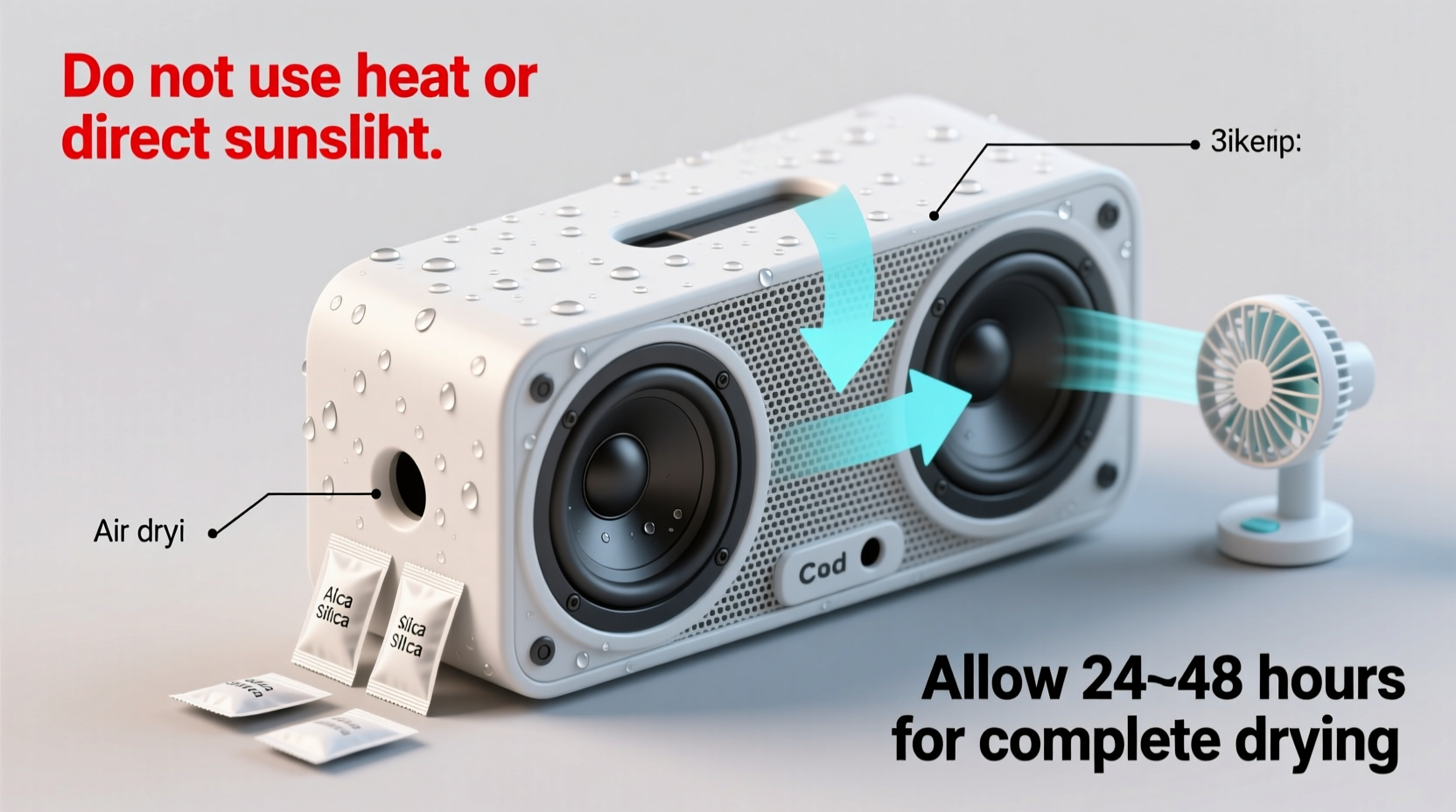
Speakers rely on precision-engineered moving parts and electrical signals to produce sound. A typical dynamic speaker includes a magnet, voice coil, cone (or diaphragm), and suspension system—all housed within a rigid frame. When water enters, several issues arise:
- Short circuits: Moisture on circuitry can bridge connections, leading to permanent damage when power is applied.
- Corrosion: Even after drying, residual minerals in water can corrode metal contacts over time.
- Sticking components: Water can gum up the suspension or voice coil, restricting movement and causing distorted sound.
- Mold growth: In humid environments, trapped moisture encourages mold inside enclosures, affecting both hygiene and acoustics.
The severity depends on whether the liquid was pure water, saltwater, or sugary (like soda), each posing different risks. Pure water is less conductive and corrosive than salt-laden or sugary liquids, which accelerate damage.
“Many people think if their speaker still powers on after getting wet, it’s fine. But delayed failure due to corrosion is common. Immediate, proper drying is critical.” — Dr. Alan Zhou, Audio Hardware Engineer at SoundLabs Inc.
Step-by-Step Guide to Safely Remove Water from a Speaker
Immediate action increases the chances of recovery. Follow this timeline-based process for optimal results.
- Power Off Immediately (0–5 minutes): If the speaker is on, disconnect it from any power source. Unplug it from the outlet or remove batteries right away. Never attempt to operate a wet speaker.
- Remove External Liquids (5–10 minutes): Gently wipe the exterior with a lint-free microfiber cloth. Tilt the speaker to allow pooled water to drain naturally. Avoid shaking—it can force water deeper into sensitive areas.
- Disassemble If Possible (10–20 minutes): For advanced users with technical confidence, removing grilles, back panels, or battery compartments can improve airflow. Only do this if you’re familiar with the model and have the correct tools. Note screw placements carefully.
- Absorb Surface Moisture (20–30 minutes): Use dry cotton swabs to dab around ports, buttons, and seams. Do not insert them deeply. Place the unit in a dry area with low humidity.
- Dry Using Passive Methods (4–72 hours): Choose one primary drying method (see next section) and let it work undisturbed. Patience is essential—rushing leads to failure.
- Test Gradually (After 72 hours): Reconnect power only after confirming all visible moisture is gone. Start with low volume and listen for crackling, distortion, or lack of bass response.
Best Drying Methods Compared
Not all drying techniques are equal. Some popular home remedies can do more harm than good. Below is a comparison of common approaches based on effectiveness, safety, and risk of sound degradation.
| Method | Effectiveness | Safety | Time Required | Risks |
|---|---|---|---|---|
| Air Drying (Room Temperature) | High (for light exposure) | Very Safe | 48–72 hours | Slow; ineffective for deep moisture |
| Silica Gel Packets | Very High | Very Safe | 24–72 hours | Requires large quantity of desiccant |
| Rice Submersion | Low to Moderate | Risky | 48+ hours | Starch residue, grain intrusion, false sense of security |
| Desiccant Chamber (Sealed Container) | Very High | Safe | 24–48 hours | Cost of materials |
| Compressed Air | Moderate (surface only) | Caution Needed | 10–30 minutes | Can push moisture inward if misused |
The most reliable method combines air circulation with high-absorption desiccants. Placing the speaker in an airtight container with silica gel packs accelerates moisture extraction while minimizing contamination risks.
Real Example: Recovering a Wet Bluetooth Speaker After Poolside Accident
Mark, a music enthusiast, accidentally knocked his portable JBL Charge 5 into a pool during a backyard gathering. He retrieved it within 30 seconds and followed these steps:
- Turned off the speaker immediately.
- Shook it gently upside down to expel water from the grill.
- Dried the surface with a towel and removed the charging cap.
- Placed it in a sealed plastic bin with 10 silica gel packets (reused from shoeboxes and supplement bottles).
- Left it undisturbed for 60 hours.
After reassembly, he powered it on. Initial playback had slightly reduced bass, but after 24 hours of normal use, performance returned to baseline. No lasting distortion occurred. Mark credits success to avoiding rice and prioritizing passive desiccant drying.
This case illustrates that even non-waterproof speakers can survive brief immersion if treated promptly and correctly. Waterproof ratings (like IPX7) offer protection, but they aren’t foolproof—especially against pressurized water or prolonged exposure.
Checklist: What to Do (and Not Do) When Your Speaker Gets Wet
Use this actionable checklist to guide your response:
✅ DO:
- Turn off and unplug the speaker immediately.
- Wipe exterior surfaces with a soft, dry cloth.
- Tilt to drain excess liquid from openings.
- Use silica gel in a sealed container for deep drying.
- Allow at least 48–72 hours before testing.
- Play test tones at low volume first to check clarity.
❌ DON’T:
- Press buttons or charge while damp.
- Use a hairdryer or heater—thermal stress damages components.
- Submerge in rice—it’s outdated and messy.
- Shake violently—this can dislodge internal parts.
- Reassemble partially dried units.
- Ignore sticky residues from sugary liquids—clean gently with isopropyl alcohol if needed.
Frequently Asked Questions
Can I use rubbing alcohol to clean inside a wet speaker?
Yes, but only after initial drying and only if the liquid was sugary or contaminated. Use 90%+ isopropyl alcohol sparingly on a cotton swab to clean terminals or connectors. Never pour it inside. Alcohol evaporates quickly and displaces moisture, but excessive use can degrade certain plastics or adhesives over time.
Will my speaker sound the same after water exposure?
If dried properly and no corrosion occurred, yes—most speakers return to original sound quality. Temporary stiffness in the suspension may cause slight distortion initially, which usually resolves with gentle use. Persistent crackling, buzzing, or loss of output indicates internal damage that may require professional repair.
Are waterproof speakers completely safe in water?
No speaker is truly “unbreakable” in water. Waterproof models (IPX7 or higher) can survive temporary submersion under controlled conditions, but seals degrade over time. Saltwater, chlorinated pools, and high-pressure jets (like showers) can compromise even rated devices. Always rinse with fresh water after exposure and dry thoroughly.
Protecting Speakers Against Future Water Damage
Prevention is more effective than recovery. Consider these long-term strategies:
- Use protective covers: Outdoor-rated speaker bags or silicone skins add a moisture-resistant barrier.
- Elevate placement: Keep speakers off floors, near pools, or in bathrooms where condensation builds.
- Invest in weather-resistant models: For patios or boats, choose speakers with IPX6 or higher ratings.
- Regular inspection: Check rubber gaskets and port seals annually for wear or cracking.
- Indoor climate control: Maintain relative humidity between 40–60% to prevent condensation in enclosed spaces.
For valuable or vintage audio equipment, consider storing silica gel packs nearby year-round to reduce ambient moisture absorption.
Final Thoughts: Patience Preserves Performance
Removing water from a speaker isn’t about speed—it’s about care. The temptation to rush drying with heat or power it on early can destroy what could have been saved. By following a disciplined, science-backed approach, you protect not just the device but the rich, clear sound it was designed to deliver. Whether it’s a $50 portable speaker or a high-end bookshelf model, every unit deserves thoughtful handling after water exposure.




 浙公网安备
33010002000092号
浙公网安备
33010002000092号 浙B2-20120091-4
Comments
No comments yet. Why don't you start the discussion?