
In an age where digital privacy, work-life balance, and online security are more important than ever, having a second phone number is no longer a luxury—it’s a practical necessity. Whether you're separating personal and professional communications, signing up for apps that require phone verification, or traveling abroad, a secondary number offers flexibility and protection. The best part? You don’t need to pay extra or sign a contract. With the right tools, you can get a reliable second number completely free.
Many people assume that adding a second line means buying a new SIM card or paying for a dual-number service through their carrier. That’s not true. Thanks to Voice over IP (VoIP) technology and mobile apps, you can now access real phone numbers from anywhere in the world—without hardware, subscriptions, or recurring fees.
Why You Might Need a Second Phone Number
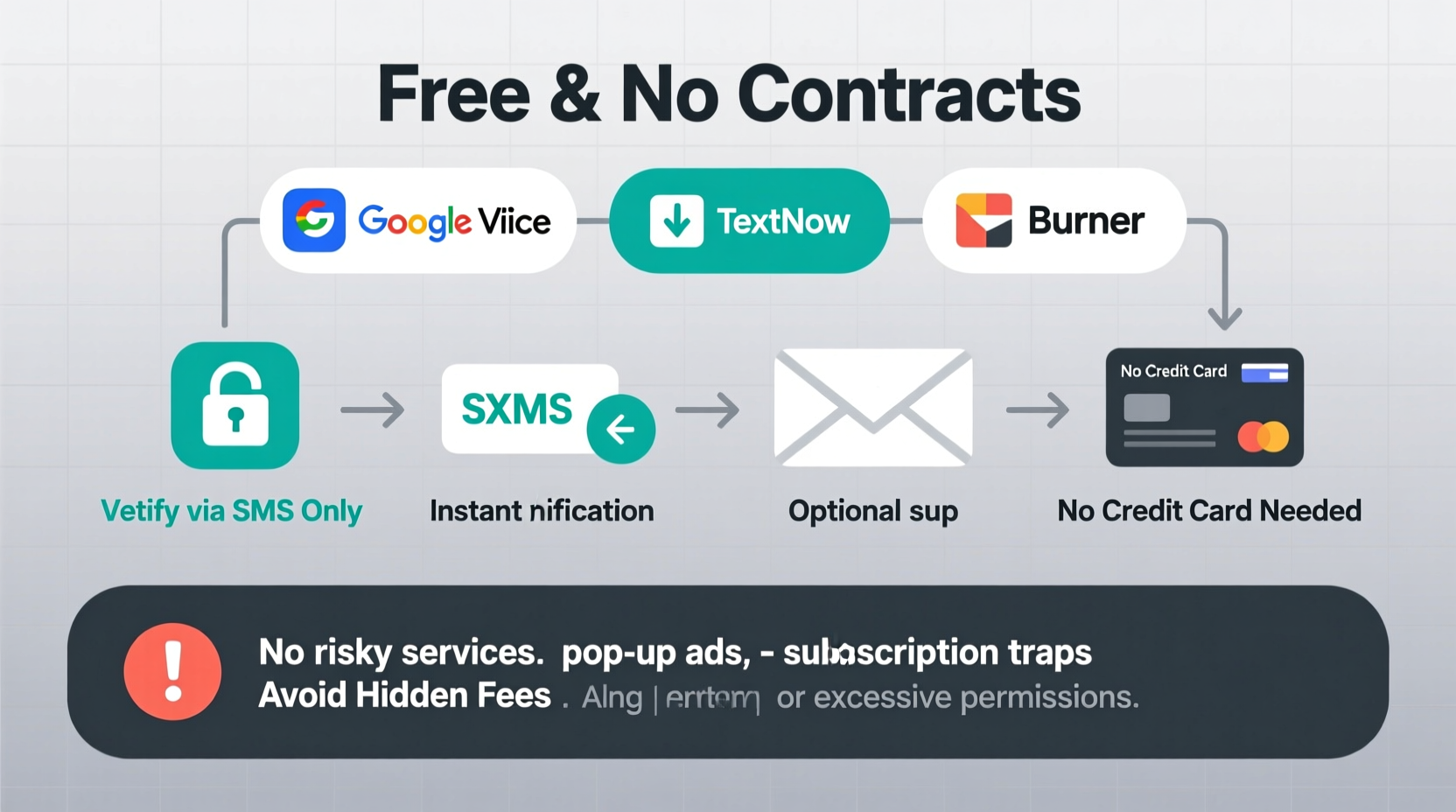
A second number isn’t just for business owners or frequent travelers. It serves multiple purposes across everyday life:
- Privacy protection: Avoid giving out your primary number when signing up for dating apps, classifieds, or online marketplaces.
- Work-life separation: Use one number for clients and colleagues, another for friends and family.
- Travel convenience: Keep your home number active while using a local virtual number abroad to avoid roaming charges.
- Security: Shield yourself from spam, scams, and unwanted calls by isolating high-risk registrations to a disposable line.
- Business branding: Create a professional presence with a dedicated business number, even as a solopreneur.
How Free Second Numbers Work
Free second phone numbers rely on internet-based calling and texting via VoIP. Instead of being tied to a physical SIM card, these numbers operate through apps installed on your smartphone or computer. As long as you have Wi-Fi or data connectivity, you can make and receive calls and texts just like a regular phone line.
The key advantage is cost efficiency. Providers generate revenue through optional premium upgrades (like international calling or vanity numbers), but the core service—receiving calls and sending texts—is typically free. Most reputable apps offer this at no charge, with no long-term commitments or credit card requirements.
“Virtual phone numbers have democratized communication. For less than the price of a coffee per month, you can maintain multiple identities online safely.” — David Lin, Telecom Analyst at ConnectInsight
Top Free Apps That Offer Real Second Numbers
Not all free number apps are created equal. Some come with usage limits, intrusive ads, or unexpected paywalls. Below is a comparison of trusted platforms that deliver genuine free service without forcing upgrades.
| App | Free Features | Limits | Availability |
|---|---|---|---|
| Google Voice | Free U.S. number, unlimited calling/texting within U.S. & Canada, voicemail transcription | Must be based in the U.S.; limited international calling | Android, iOS, Web |
| TextNow | Free U.S. or Canada number, ad-supported calling/texting over Wi-Fi | Ads in-app; slower performance during peak times | Android, iOS, Web |
| Dingtone | Free global number options, free credits monthly, group texting | Requires daily login for full benefits; some features locked behind ads | Android, iOS |
| TextMe | U.S.-based number, free SMS and MMS, call forwarding | Occasional ad prompts; number may be recycled after inactivity | Android, iOS, Web |
Among these, Google Voice stands out for its reliability, integration with Gmail and Google Workspace, and clean interface. However, access requires a U.S. account and initial verification via an existing U.S. number—a limitation for international users.
Step-by-Step Guide to Getting Your Free Second Number
Follow this straightforward process to set up your second number in under 15 minutes:
- Choose your preferred app: Based on your location and needs, select one of the platforms listed above. For most U.S. residents, Google Voice is ideal.
- Download and install: Get the app from the official App Store or Google Play to avoid counterfeit versions.
- Create an account: Use a dedicated email address to keep your identity segmented.
- Select your number: Enter your ZIP code (for area code preference) and browse available numbers. Some apps let you search for memorable digits.
- Verify your identity: Most services will ask you to confirm an existing phone number via SMS or automated call. This step prevents abuse and ensures legitimacy.
- Set up forwarding (optional): In Google Voice and TextMe, you can forward incoming calls to your primary device—even landlines.
- Start using it: Once activated, use the number for calls, texts, and online sign-ups immediately.
Mini Case Study: Freelancer Protects Privacy with a Virtual Line
Sophie, a freelance graphic designer based in Austin, used her personal cell number for client outreach early in her career. Over time, she began receiving late-night calls from past customers and noticed an uptick in spam messages. After switching to Google Voice for her business line, she gained control over her availability. She now forwards calls only during working hours and uses auto-replies outside those times. Her primary number remains private, and she reports a noticeable drop in unwanted contact. “It took five minutes to set up,” she says, “and changed how I manage my entire workflow.”
Common Pitfalls to Avoid
While free second numbers are powerful tools, misuse can lead to frustration or loss of service. Watch out for these issues:
- Inactivity shutdown: Many providers deactivate numbers after 30–60 days of no use. Send a test message weekly to stay active.
- Service limitations: Emergency services (e.g., 911) may not be supported. Never rely on a VoIP number for emergency response.
- Spam flagging: If your number is reported repeatedly, it could be suspended. Avoid bulk messaging or suspicious activity.
- Data dependency: Without internet, you can't receive calls or texts. Consider enabling call forwarding to your main line as a backup.
Checklist: Setting Up Your Free Second Number Successfully
- ✅ Research and select a reputable free number app
- ✅ Install the app from an official source
- ✅ Use a secure email for registration
- ✅ Choose a local or recognizable area code
- ✅ Verify ownership with a current phone number
- ✅ Test incoming and outgoing calls/texts
- ✅ Set up auto-replies or forwarding rules
- ✅ Use the number regularly to prevent deactivation
Frequently Asked Questions
Can I keep my second number forever?
Yes, as long as you use it periodically. Most free services require at least one outbound call or text every 30 days to maintain ownership. Google Voice, for example, asks for engagement every six months.
Are free second numbers safe for two-factor authentication (2FA)?
Generally yes—but with caution. Some websites and banks block VoIP numbers from receiving verification codes. Google Voice has had mixed compatibility with services like WhatsApp and certain financial apps. Always test before relying on it for critical logins.
Can I transfer my free number to another service?
Some apps allow porting. Google Voice lets you move your number to another Google account or export it for paid services. However, transferring *into* Google Voice from other free apps is usually not possible.
Final Thoughts and Action Plan
Securing a free second phone number is one of the simplest yet most effective steps you can take toward better digital hygiene. It costs nothing, requires no contracts, and gives you greater control over who reaches you and how. Whether you're shielding your privacy, managing side gigs, or simply organizing your communications, the tools are readily available and easy to use.
The barrier to entry has never been lower. With just a few taps, you can activate a functional second line that integrates seamlessly with your existing phone. There’s no reason to delay.




 浙公网安备
33010002000092号
浙公网安备
33010002000092号 浙B2-20120091-4
Comments
No comments yet. Why don't you start the discussion?