
Launching a business begins with more than just an idea—it starts with legitimacy. One of the first legal steps every entrepreneur must take is securing the correct business number. Whether you're in the U.S., Canada, or another country, this identifier is essential for tax compliance, banking, hiring, and operating legally. Yet many new founders delay or mishandle this process, risking fines, delays, or even rejection of applications. This guide walks through each stage of acquiring your business number with precision, clarity, and real-world relevance.
Understanding the Business Number: What It Is and Why It Matters
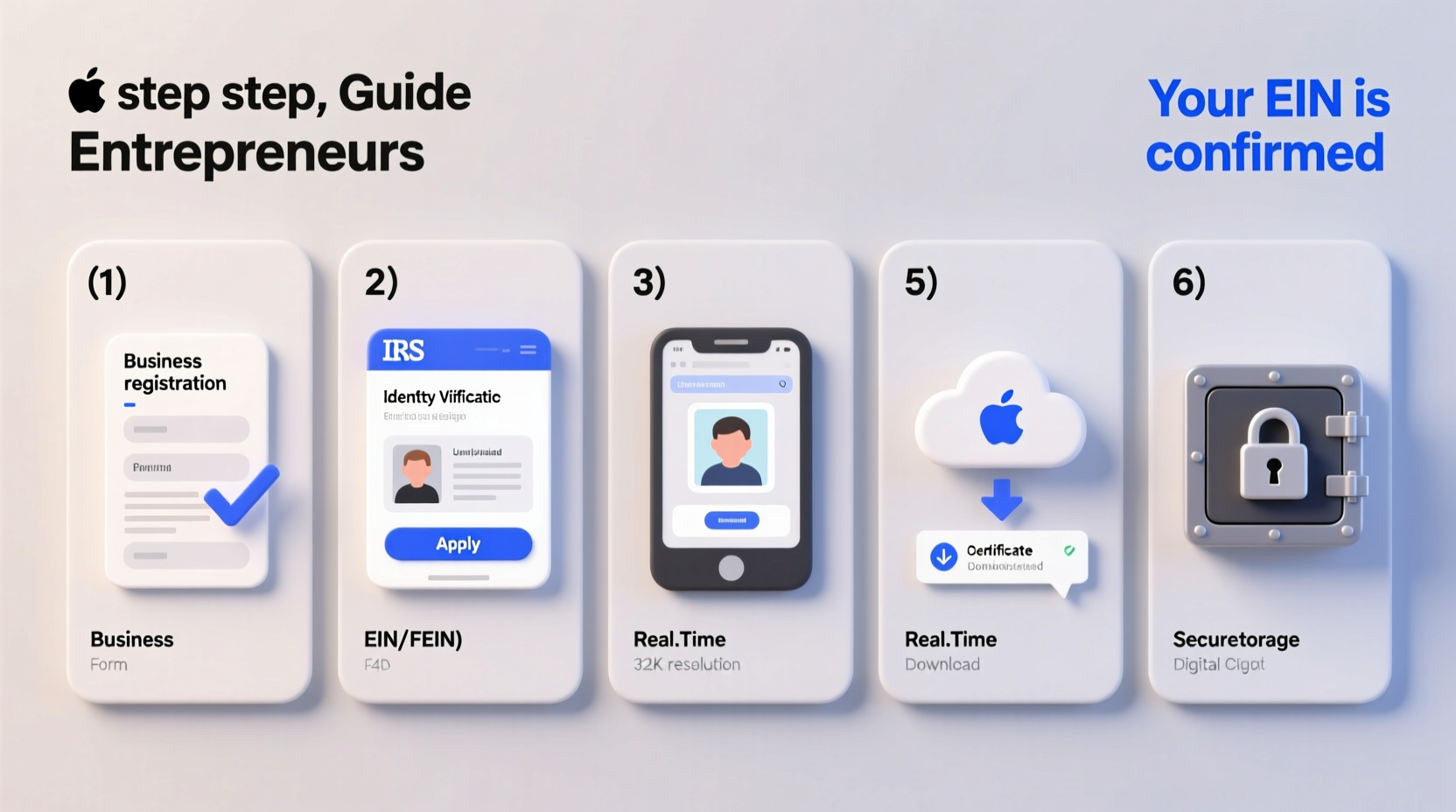
A business number (BN) is a unique identifier assigned by a government agency to track your company for tax and regulatory purposes. In Canada, it’s issued by the Canada Revenue Agency (CRA) and used across federal programs like GST/HST, payroll, and import/export. In the United States, the equivalent is the Employer Identification Number (EIN), administered by the IRS. While terminology varies, the purpose remains consistent: to formalize your business as a recognized entity.
Without a BN or EIN, you cannot open a business bank account, file corporate taxes, hire employees, or apply for government grants. It also builds credibility with vendors, lenders, and clients who expect to see official registration details.
“Getting your business number isn’t bureaucracy—it’s the foundation of financial and legal integrity.” — Laura Simmons, Small Business Advisor & CPA
Step-by-Step Process to Secure Your Business Number
The process varies slightly depending on your country and business structure, but the core steps are universal. Follow this timeline to ensure accuracy and efficiency.
- Determine Your Business Structure: Decide whether you’re registering as a sole proprietorship, partnership, corporation, or LLC. This affects eligibility and application requirements.
- Choose a Jurisdiction: Register in the province, state, or country where your business operates primarily. Cross-border operations may require multiple registrations.
- Register Your Business Name: Conduct a name search to ensure uniqueness. File a DBA (“Doing Business As”) if operating under a trade name different from your legal name.
- Apply for the Business Number: Submit your application online via the CRA (Canada) or IRS (U.S.). Both offer free, same-day processing for eligible applicants.
- Link Program Accounts (Canada): After receiving your 9-digit BN, enroll in relevant program accounts such as payroll deductions, GST/HST, or import/export.
- Confirm and Record: Save your BN/EIN confirmation letter. Store it securely and use it when opening bank accounts or filing returns.
Country-Specific Guidelines: U.S. vs. Canada vs. Other Regions
While the concept of a business number is global, execution differs. Here’s a comparison to help clarify regional nuances.
| Region | Identifier Name | Issuing Authority | Processing Time | Application Method |
|---|---|---|---|---|
| United States | Employer Identification Number (EIN) | Internal Revenue Service (IRS) | Immediate (online) | Free online via IRS website |
| Canada | Business Number (BN) | Canada Revenue Agency (CRA) | 5–10 business days | Online, phone, or mail |
| United Kingdom | Company Registration Number | Companies House | 24–48 hours | Online incorporation |
| Australia | ABN (Australian Business Number) | ATO (Australian Taxation Office) | 1–2 weeks | Online via ABN Lookup |
Note that some countries integrate tax and registration numbers, while others separate them. Always verify which identifiers your jurisdiction requires based on revenue thresholds, employee count, and industry type.
Avoiding Common Mistakes During Registration
Even simple oversights can delay approval or create compliance issues down the line. Be mindful of these frequent errors:
- Using a personal address permanently: While acceptable initially, using your home address long-term risks privacy breaches and appears unprofessional.
- Mismatched legal names: Ensure your registered business name matches exactly what appears on government documents and bank applications.
- Delaying registration after forming the entity: Some entrepreneurs assume incorporation automatically grants a BN/EIN—this is false. You must apply separately.
- Sharing the number prematurely: Only provide your BN/EIN to trusted institutions. Scammers often pose as vendors or lenders to harvest sensitive data.
“Over half of the startups I consult had mismatched names between their EIN and bank accounts. Fixing it takes weeks.” — Marcus Tran, Tax Compliance Consultant
Real Example: How Sarah Secured Her BN in 72 Hours
Sarah Kim launched a digital marketing consultancy in Ontario in early 2023. She incorporated her business as “Summit Strategies Inc.” through ServiceOntario, then immediately applied for her BN via the CRA’s Business Registration Online service. Within three days, she received her 15-digit BN and enrolled in the GST/HST program. Using her BN, she opened a business bank account at RBC, set up accounting software with linked tax reporting, and invoiced her first client—all within one week.
Her key insight? “I didn’t realize the BN was separate from incorporation. Once I made that connection, everything moved quickly. I now recommend applying the same day you incorporate.”
Essential Checklist Before Applying
Use this checklist to prepare thoroughly before submitting your application:
- ✅ Finalized business name and structure (sole proprietor, corporation, etc.)
- ✅ Proof of incorporation or registration (if applicable)
- ✅ Owner’s personal information (SIN, date of birth, address)
- ✅ Mailing and operational addresses
- ✅ Anticipated start date of business activities
- ✅ List of planned program accounts (e.g., payroll, GST/HST, customs)
- ✅ Valid email and phone number for verification
Frequently Asked Questions
Do I need a business number if I’m a sole proprietor?
In most cases, sole proprietors without employees or taxable sales can use their personal SIN instead of a BN. However, obtaining a BN allows you to register for GST/HST, build business credit, and maintain separation between personal and professional finances—making it advisable even for solo operators.
Can I change my business number later?
No. A business number is permanent and cannot be changed. If your business undergoes a significant structural change (e.g., incorporation after starting as a sole proprietor), you may need to apply for a new BN and close old program accounts properly.
Is there a fee to get a business number?
No legitimate government agency charges a fee to issue a BN or EIN. Beware of third-party websites that mimic official portals and charge hundreds for a service that’s free. Always apply directly through the CRA, IRS, or respective national authority.
Final Steps and Moving Forward
Securing your business number is not the end of setup—it’s the gateway to formal operations. With your BN or EIN in hand, proceed to open a dedicated business bank account, set up accounting software, register for provincial/state taxes if needed, and begin tracking income and expenses from day one.
Remember, consistency in compliance builds trust. Lenders, partners, and customers look for signs of professionalism—and having a valid business number is one of the clearest signals you’re serious about growth.




 浙公网安备
33010002000092号
浙公网安备
33010002000092号 浙B2-20120091-4
Comments
No comments yet. Why don't you start the discussion?