
In an era where minimalism meets functionality, the small square bag has become a wardrobe staple. Compact, chic, and effortlessly stylish, it’s no wonder this silhouette dominates both streetwear and formal ensembles. But not all small square bags are built to last. Many succumb to wear within months—zippers fail, straps loosen, and materials crack or fade. The key to avoiding premature replacement lies in selecting a bag that balances enduring construction with timeless design. This guide dives into the essential criteria for choosing a durable small square bag, ensuring your investment remains functional and fashionable for years.
Assess Material Quality for Longevity
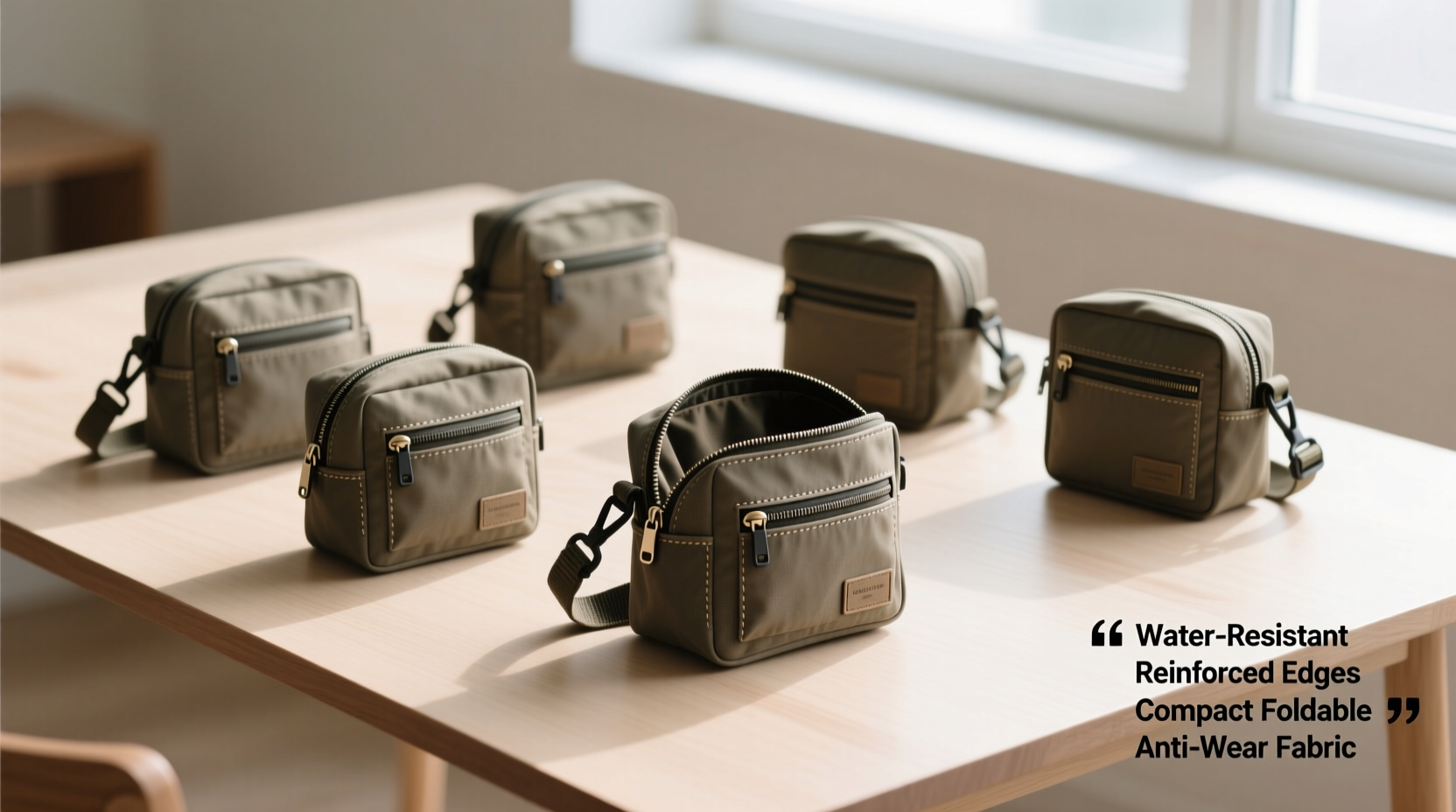
The foundation of any durable bag is its material. While aesthetics matter, long-term performance hinges on what the bag is made from. Not all leathers, fabrics, or synthetics offer the same resilience.
Genuine full-grain leather is widely regarded as the gold standard. Its tight fiber structure resists scratches and develops a rich patina over time instead of deteriorating. Top-grain leather is slightly thinner but still offers durability, especially when treated with protective coatings. Avoid bonded leather—it may look similar at first glance but tends to peel and crack prematurely.
For non-leather options, consider waxed canvas or high-density nylon. These materials resist water, abrasion, and tearing better than standard cotton or polyester blends. Vegan leathers vary widely; premium polyurethane (PU) performs better than PVC, which becomes brittle with age.
Evaluate Structural Integrity and Craftsmanship
A well-constructed bag does more than hold its shape—it withstands daily stress without fraying seams or sagging corners. Pay close attention to stitching, hardware, and internal reinforcement.
Look for double or triple stitching along stress points like strap attachments and base corners. Lockstitching is preferable to chain stitching, which can unravel if one thread breaks. Seams should be straight, evenly spaced, and free of loose ends.
Hardware such as zippers, clasps, and buckles should be made from solid metal—not hollow or painted plastic-coated versions. Test the zipper: it should glide smoothly without catching and close securely. YKK and RIRI are reputable brands often used in high-end accessories.
The bag’s base deserves special attention. A flat, reinforced bottom prevents slouching and protects contents. Some designs incorporate rigid inserts or molded panels for added structure, which significantly extend usability.
“Durability isn’t just about thick materials—it’s about smart engineering. The strongest bags distribute weight evenly and reinforce weak points before they become problems.” — Marcus Tran, Accessory Designer & Product Developer
Compare Functional Design Features
Durability isn't only physical—it's also functional. A bag that fails to meet your daily needs will be discarded regardless of build quality. Consider how the design supports real-world use.
Internal organization is critical. Look for at least one secure zip pocket and a lined main compartment. Unlined interiors wear faster and show dirt quickly. Pockets should be sewn-in, not glued or loosely attached.
Strap comfort and adjustability influence long-term satisfaction. Crossbody straps should be padded or made from soft, abrasion-resistant fabric. Ensure the length is adjustable so you can wear it comfortably whether walking or cycling.
Consider closure type. Magnetic snaps offer quick access but may open accidentally. Zippers provide security but can snag. Turn-lock clasps are classic but require maintenance to prevent jamming.
| Feature | Recommended | Proceed With Caution |
|---|---|---|
| Material | Full-grain leather, waxed canvas, high-denier nylon | Bonded leather, thin PU, untreated cotton |
| Stitching | Double-stitched, lockstitch pattern | Single thread, uneven spacing |
| Hardware | Solid brass, stainless steel, YKK zippers | Plastic-coated metal, flimsy clasps |
| Base | Rigid or reinforced bottom | Fully flexible, no structure |
| Lining | Durable fabric with secure seams | Thin lining, visible glue marks |
Follow a Step-by-Step Selection Process
Choosing the right bag doesn’t have to be overwhelming. Use this five-step method to make a confident, informed decision:
- Define Your Daily Needs: List what you carry regularly—phone, wallet, keys, lipstick, etc. Ensure the bag has enough room without being overstuffed.
- Inspect Materials In Person: If buying in-store, touch the surface, bend the corners, and test the zipper. Online? Read detailed product descriptions and customer reviews focusing on wear over time.
- Check Stress Points: Examine where the straps connect to the body. Are there extra stitches or reinforcement patches? This area bears the most weight.
- Test Closure Mechanisms: Open and close the bag multiple times. Does it feel secure? Does it require excessive force?
- Review Brand Reputation: Research the brand’s history with craftsmanship. Do they offer repairs? Is there a warranty? Brands like Polène, Wandler, and A.P.C. are known for balancing style with structural integrity.
Real-Life Example: From Commute to Weekend Getaway
Sophie, a graphic designer based in Portland, needed a versatile bag that could transition from her bike commute to client meetings. She initially bought a trendy square bag made from synthetic material with delicate gold hardware. Within four months, the strap detached during a rainstorm, and the lining tore from daily laptop insertion.
She replaced it with a waxed canvas option featuring leather trim, YKK zippers, and a padded crossbody strap. Three years later, the bag remains in regular rotation—water stains have faded into character, and the brass clasp has developed a warm patina. “I stopped seeing it as just an accessory,” she said. “It’s a tool I rely on every day.”
Essential Care Tips to Extend Lifespan
Even the best-made bag requires maintenance. How you care for it directly impacts longevity.
- Clean spills immediately with a dry cloth. For leather, use a pH-balanced cleaner every few months.
- Store in a breathable dust bag, away from direct sunlight and humidity.
- Stuff with tissue paper or a soft cloth to maintain shape when not in use.
- Avoid overloading—small bags aren’t designed to carry heavy loads daily.
- Condition leather twice a year to prevent drying and cracking.
“Consistent care and proper storage can double a bag’s lifespan.” — Emma Clarke, Fashion Care Expert
Frequently Asked Questions
Can a small square bag be both stylish and durable?
Absolutely. Many contemporary designers prioritize both aesthetics and resilience. Look for clean lines paired with robust materials and thoughtful details like recessed zippers and reinforced corners. Brands like Staud, By Far, and Mansur Gavriel combine modern silhouettes with quality construction.
How do I know if a bag is worth the investment?
Ask three questions: Is the material high-quality? Are stress points reinforced? Does the brand stand behind its products with warranties or repair services? If two out of three are yes, it’s likely a worthwhile purchase.
Are vegan leather bags durable enough for daily use?
Some are. High-end PU leather, especially when laminated onto fabric backings, can withstand daily wear. However, it generally doesn’t age as gracefully as real leather. Opt for brands transparent about their materials and testing processes.
Final Checklist Before You Buy
- ✅ Material is thick, scratch-resistant, and appropriate for your climate
- ✅ Stitching is tight, double-layered at joints
- ✅ Hardware feels solid, operates smoothly
- ✅ Interior is fully lined with functional pockets
- ✅ Strap is adjustable and securely attached
- ✅ Bag maintains shape when empty
- ✅ Brand offers transparency on sourcing and construction
Make Durability a Style Statement
Selecting a durable small square bag isn’t just about practicality—it’s a commitment to mindful consumption and personal style evolution. A well-chosen bag ages with grace, becoming more distinctive over time. It reduces waste, saves money, and eliminates the frustration of replacing accessories every season.
Start applying these insights the next time you shop. Touch, test, and think critically about construction. Choose not just for today’s outfit, but for the hundreds of days it will accompany you. When style and substance align, your bag becomes more than an accessory—it becomes a trusted companion.




 浙公网安备
33010002000092号
浙公网安备
33010002000092号 浙B2-20120091-4
Comments
No comments yet. Why don't you start the discussion?