
In recent years, the oversized chronograph has emerged as a signature piece in modern men’s wardrobes. Combining bold presence with technical sophistication, these timepieces serve both aesthetic and practical roles. However, choosing the right one isn’t just about picking the largest or most expensive model. The ideal oversized chronograph balances proportion, function, and personal style. Understanding how to navigate case sizes, dial layouts, materials, and movement types ensures your selection enhances—not overwhelms—your look.
Understanding the Oversized Chronograph: What “Oversized” Really Means
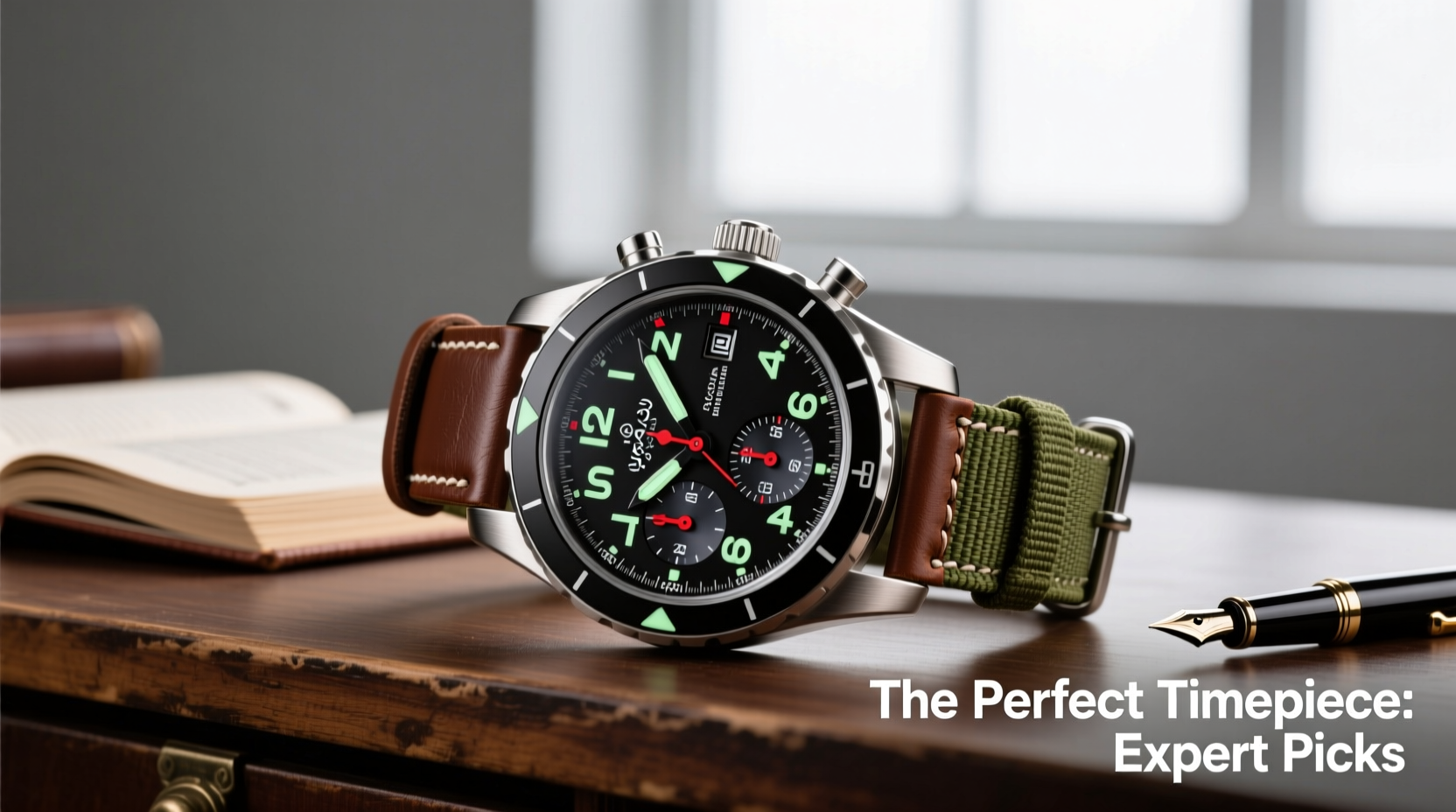
The term “oversized” is often misunderstood. While some assume it refers to anything above 40mm, today’s standard for an oversized men’s watch typically starts at 44mm and can go up to 48mm or more. This increase reflects evolving fashion trends and larger average wrist sizes, but it doesn’t mean every man should default to a massive case.
A truly oversized chronograph draws attention through its scale and complexity. It features multiple subdials, pushers on the side, and often a tachymeter or telemeter bezel. These elements add visual weight, so proportionality is critical. A 46mm watch might look balanced on a 7.5-inch wrist but appear comically large on a slimmer frame.
Case Diameter vs. Wrist Proportion
| Wrist Size (inches) | Recommended Case Size | Notes |
|---|---|---|
| 6.0 – 6.5 | 38–42mm | Oversized models risk looking disproportionate |
| 6.5 – 7.5 | 42–45mm | Sweet spot for most oversized designs |
| 7.5+ | 45–48mm | Larger cases sit naturally; avoid exceeding 50mm |
Functionality First: Decoding Chronograph Features
The chronograph complication—a stopwatch function integrated into the watch—is more than a decorative feature. When used intentionally, it adds utility whether timing a presentation, tracking laps, or measuring intervals during work. However, not all chronographs are created equal.
Analog chronographs use mechanical or quartz movements to power the central seconds hand and subsidiary dials (usually 30-minute and 12-hour counters). Mechanical versions, especially automatic ones, are prized for craftsmanship but require regular wear or winding. Quartz chronographs offer precision and lower maintenance but lack the prestige of horological engineering.
“Chronographs appeal because they blend performance with heritage. But buyers must ask: Will I actually use the stopwatch, or am I buying for aesthetics?” — Daniel Reyes, Watch Curator at Timepiece Review Journal
Key Functional Elements to Evaluate
- Pusher Quality: Buttons should depress smoothly without wobble. Poorly made pushers compromise water resistance and durability.
- Subdial Layout: Common configurations include two-register (simplified) or three-register (classic). Three subdials offer more precise timing but can clutter smaller faces.
- Tachymeter Bezel: Allows speed calculation over a fixed distance. Useful for driving enthusiasts; otherwise, largely ornamental.
- Water Resistance: At least 50m (5ATM) is recommended for daily wear, even if not swimming. Protects against splashes and humidity.
Style Integration: Matching Your Wardrobe and Lifestyle
An oversized chronograph makes a statement—but it should align with your overall aesthetic. A rugged diver-style chronograph with a rubber strap reads differently than a polished stainless steel model on a leather band. Consider where and how you’ll wear the watch.
For business-casual environments, opt for minimalist dials in black, silver, or navy with clean indices and no excessive text. Pair with a leather or NATO strap to maintain versatility. For weekend or adventurous settings, consider bold color accents, textured dials, or titanium cases for lightweight comfort.
Real Example: Mark’s Style Transformation
Mark, a 34-year-old marketing executive, owned several dress watches but felt his weekend look lacked personality. He purchased a 46mm bronze chronograph with a brown leather strap and sunburst dial. Initially hesitant about the size, he found it paired perfectly with denim jackets and unstructured blazers. Over six months, the bronze developed a unique patina, becoming a conversation starter at networking events. His confidence grew—not from the watch alone, but from wearing it with intention.
Step-by-Step Guide to Selecting Your Ideal Chronograph
- Assess Your Wrist Size: Use a soft tape measure around the bone. Note the measurement in inches or centimeters.
- Determine Primary Use: Will it be worn daily, for sports, or occasionally? This guides material and movement choices.
- Choose Movement Type: Prefer low-maintenance? Go quartz. Value craftsmanship? Choose automatic.
- Evaluate Case Material: Stainless steel offers durability and shine; titanium is lighter and hypoallergenic; ceramic resists scratches.
- Test Virtual Try-Ons: Many retailers offer AR tools. See how a 47mm watch looks on your wrist before buying.
- Consider Strap Interchangeability: Watches with quick-release straps allow easy switching between leather, metal, and rubber.
- Set a Budget with Room for Service: Include potential servicing costs—mechanical chronographs need cleaning every 5–7 years.
Common Pitfalls and How to Avoid Them
Many men fall into traps when selecting oversized watches. Some buy based solely on celebrity endorsements or social media trends, only to find the watch uncomfortable or impractical. Others overlook lug-to-lug distance—the measurement from one end of the case to the other—which determines how the watch sits across the wrist.
A 45mm watch with short lugs may wear smaller than a 42mm model with long lugs. Always check this spec, ideally keeping it under 50mm for most wrists. Additionally, avoid overly thick cases (above 14mm), which can snag on shirt cuffs and reduce elegance.
“Size isn’t king. Wearability is. A watch that fits seamlessly into your life will always outperform one that merely turns heads.” — Lena Patel, Horology Stylist & Consultant
Do’s and Don’ts at a Glance
| Do | Don’t |
|---|---|
| Match case finish to your jewelry (e.g., rose gold watch with pink gold rings) | Wear a 48mm watch with a slim-fit suit unless your build supports it |
| Try watches in person when possible | Ignore lug width—it affects strap compatibility and comfort |
| Opt for sapphire crystal for scratch resistance | Buy a chronograph solely for its brand logo |
Frequently Asked Questions
Can an oversized chronograph be worn with a suit?
Yes, but choose carefully. A sleek, monochrome chronograph in stainless steel or black PVD with a leather strap works best. Avoid bulky divers or brightly colored dials in formal settings. Ensure the watch doesn’t extend beyond the cuff.
Are oversized watches still in style?
While extreme sizes (50mm+) have cooled in popularity, 44–46mm remains mainstream, especially for sporty or tool watches. The trend has matured—today’s focus is on refined proportions rather than sheer bulk.
How do I maintain my chronograph?
For automatic models, wear regularly or use a watch winder. Clean the case and bracelet monthly with a soft cloth. Have seals checked every 2 years if water resistance matters. Never operate pushers underwater.
Final Thoughts: Confidence Through Choice
Selecting the ideal oversized chronograph isn’t about following trends—it’s about finding a timepiece that reflects your lifestyle, complements your physique, and functions meaningfully in your day-to-day. The right watch doesn’t just tell time; it tells a story about who you are and how you move through the world.
Take the time to research, try on options, and listen to your instincts. Whether you’re drawn to the precision of Swiss engineering or the ruggedness of a field chronograph, let your choice be intentional. A well-chosen oversized watch becomes more than an accessory—it becomes part of your identity.




 浙公网安备
33010002000092号
浙公网安备
33010002000092号 浙B2-20120091-4
Comments
No comments yet. Why don't you start the discussion?