
Aromatherapy has become a cornerstone of modern wellness routines, transforming homes into calming sanctuaries. At the heart of this practice lies the aromatherapy diffuser—a device that disperses essential oils into the air, enhancing mood, supporting sleep, and purifying indoor environments. But with so many models on the market, choosing the right one can feel overwhelming. The ideal diffuser should match your space, lifestyle, and wellness goals. This guide cuts through the noise, offering clear, actionable insights to help you make an informed decision.
Understanding Diffuser Types and How They Work
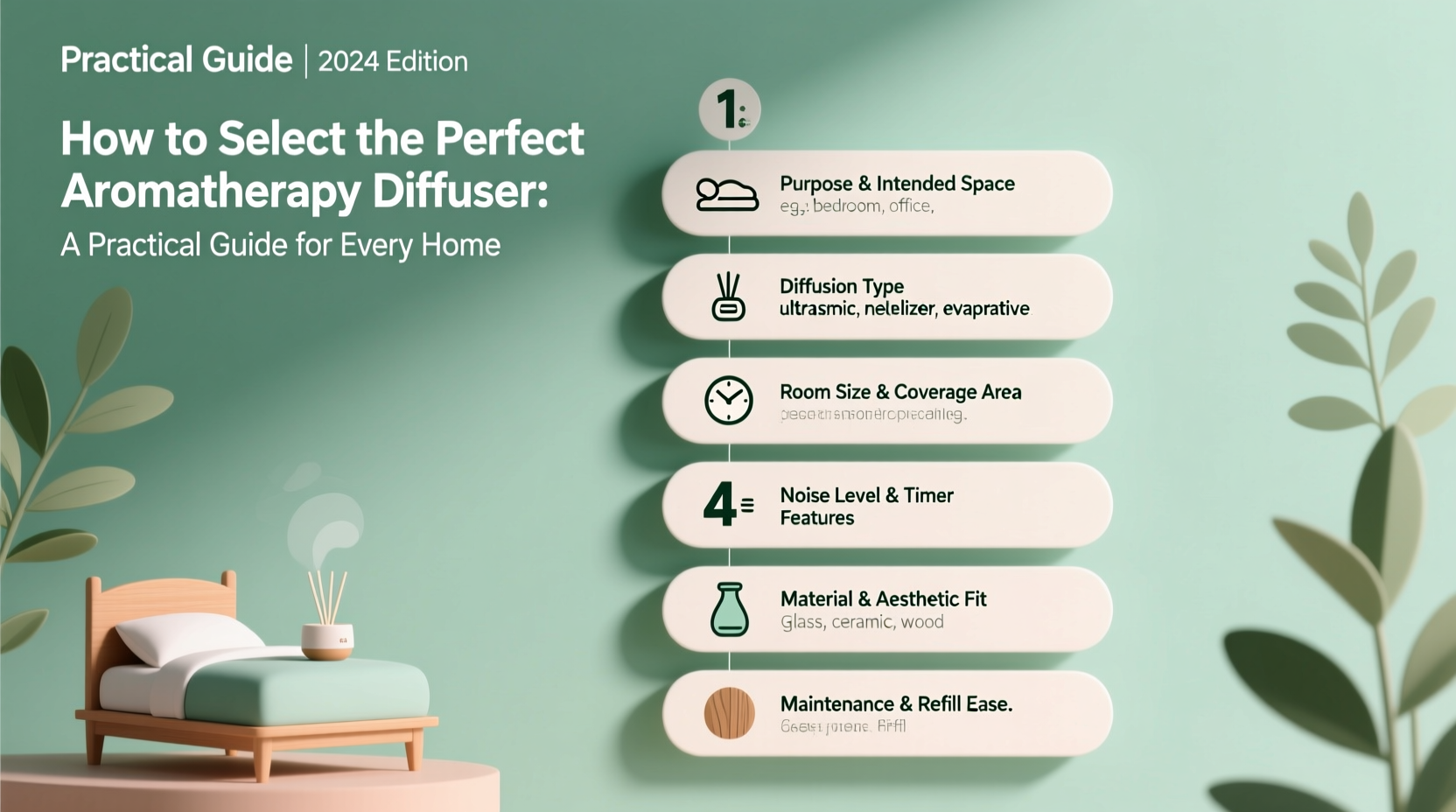
Different diffusers operate using distinct mechanisms, each with unique benefits and limitations. Knowing these differences is the first step in making a smart purchase.
- Ultrasonic Diffusers: These use water and high-frequency vibrations to create a fine mist infused with essential oils. They double as humidifiers, making them ideal for dry climates or winter months.
- Nebulizing Diffusers: These don’t require water. Instead, they use pressurized air to break oils into tiny particles, releasing a potent aroma. Best for therapeutic use but consume oil faster.
- Heat Diffusers: Use warmth to evaporate essential oils. While quiet and simple, heat can alter the chemical composition of some oils, reducing their therapeutic value.
- Evaporative Diffusers: Typically fan-driven, they blow air through an oil pad or filter. They’re portable and affordable but offer less control over scent intensity.
Key Features to Evaluate Before Buying
Not all diffusers are created equal. Prioritize features that align with your daily habits and room requirements.
Room Size and Coverage
Check the manufacturer’s recommended room size. A small 100ml diffuser may only cover up to 150 square feet—perfect for a bedroom—but insufficient for an open-plan living area. Larger units with higher tank capacities (300ml or more) suit spacious rooms.
Run Time and Auto-Shutoff
Look for models that offer intermittent misting (e.g., 30 seconds on, 30 seconds off), which extends runtime without constant output. Most quality diffusers have auto-shutoff when the water runs low, preventing damage and ensuring safety.
Noise Level
If you plan to use the diffuser in a bedroom or office, noise matters. Ultrasonic diffusers are generally quiet, often producing a soft bubbling sound. Avoid models with audible motors or fans if silence is a priority.
Design and Material
Ceramic and wood-grain finishes blend well in living spaces, while minimalist plastic models suit bathrooms or offices. Ensure the material is BPA-free and easy to clean.
“Choosing a diffuser isn’t just about function—it’s about integration into your home environment. Aesthetics and usability go hand in hand.” — Dr. Lena Patel, Holistic Wellness Consultant
Comparison Table: Diffuser Types at a Glance
| Type | Oil Efficiency | Humidity Added | Noise Level | Best For |
|---|---|---|---|---|
| Ultrasonic | Moderate | Yes | Very Low | Bedrooms, living rooms, daily use |
| Nebulizing | Low (uses more oil) | No | Low to Moderate | Therapeutic sessions, short-term use |
| Heat | High | No | None | Small spaces, decorative use |
| Evaporative | Moderate | No | Moderate (fan noise) | On-the-go, travel, closets |
Step-by-Step Guide to Choosing Your Ideal Diffuser
Selecting the right diffuser doesn’t have to be complicated. Follow this sequence to narrow down your options efficiently.
- Assess Your Primary Use Case: Are you looking to improve sleep, reduce stress, purify air, or enhance focus? High-output nebulizers work best for concentrated therapy, while ultrasonic models support ambient wellness.
- Measure Your Space: Determine the square footage of the room where the diffuser will be used. Match it with a model designed for that coverage.
- Decide on Runtime Needs: For overnight use, choose a diffuser with at least 8 hours of continuous or intermittent operation.
- Consider Maintenance: Models with wide openings and minimal internal crevices are easier to clean. Look for dishwasher-safe parts if possible.
- Test Aesthetic Compatibility: Pick a design that complements your interior—neutral tones and natural materials tend to blend seamlessly.
- Review Safety Certifications: Ensure the unit has UL or ETL certification, especially if it will run unattended.
Real-Life Example: Sarah’s Living Room Transformation
Sarah, a marketing professional living in Chicago, struggled with seasonal fatigue and dry air during winter. She initially bought a small heat diffuser because it was inexpensive and compact. However, she noticed the scent faded quickly and her throat felt dry after prolonged use. After researching, she switched to a 400ml ultrasonic diffuser with adjustable mist settings. Placed in her 250-square-foot living room, it ran for 10 hours overnight, adding moisture and a calming lavender-cedarwood blend. Within a week, she reported better sleep and improved air quality. “It’s not just about smell,” she said. “The humidity helps my skin, and the subtle light creates a peaceful vibe.”
Essential Do’s and Don’ts When Using a Diffuser
| Do’s | Don’ts |
|---|---|
| Use distilled water to prevent mineral buildup | Overfill the water tank beyond the max line |
| Clean the reservoir weekly with vinegar or citric acid | Leave the diffuser running unattended for days |
| Place on an elevated, stable surface away from electronics | Mix thick resins like frankincense without diluting |
| Ventilate the room periodically, especially with strong oils | Use near pets or infants without verifying oil safety |
Frequently Asked Questions
Can I leave my diffuser on all night?
Many modern diffusers support 8–10 hour runtimes with auto-shutoff, making them safe for overnight use. However, continuous diffusion for more than 8 hours may cause sensory overload or excess moisture. Opt for intermittent mode or timers to balance effectiveness and safety.
Are diffusers safe around pets?
Some essential oils—like tea tree, eucalyptus, and citrus—can be toxic to cats and dogs. Always research pet-safe oils, use diffusers in well-ventilated areas, and allow pets to leave the room if needed. Consult your vet before introducing aromatherapy in homes with animals.
How often should I clean my diffuser?
Clean the reservoir every 3–5 uses or weekly with regular use. Residue from oils and minerals can clog the mechanism and reduce efficiency. A quick rinse with white vinegar followed by a water flush keeps it functioning optimally.
Final Checklist Before You Buy
- ✅ Matches room size and intended use
- ✅ Has auto-shutoff and timer functions
- ✅ Made from non-toxic, durable materials
- ✅ Easy to disassemble and clean
- ✅ Operates quietly during use
- ✅ Includes safety certifications (UL/ETL)
- ✅ Fits aesthetically with your home decor
Take the Next Step Toward a Calmer Home
The right aromatherapy diffuser does more than scent your space—it enhances your well-being, supports restful routines, and brings intentionality to your environment. By understanding your needs, evaluating key features, and learning from real-world applications, you can make a choice that lasts. Don’t settle for generic recommendations. Invest in a diffuser that aligns with your lifestyle, space, and health goals. Once you find the perfect match, you’ll wonder how you ever lived without it.




 浙公网安备
33010002000092号
浙公网安备
33010002000092号 浙B2-20120091-4
Comments
No comments yet. Why don't you start the discussion?