
Selecting a phone case is more than just a fashion statement—it’s about protection, functionality, and long-term usability. For iPhone users, Camellia has emerged as a brand that blends minimalist design with durable materials, offering cases that cater to both aesthetics and everyday resilience. However, not all Camellia cases are created equal, and choosing the wrong one can lead to poor fit, reduced access to ports, or inadequate drop protection. This guide walks you through every critical factor to consider when selecting the perfect Camellia case tailored to your exact iPhone model.
Understand Your iPhone Model Compatibility
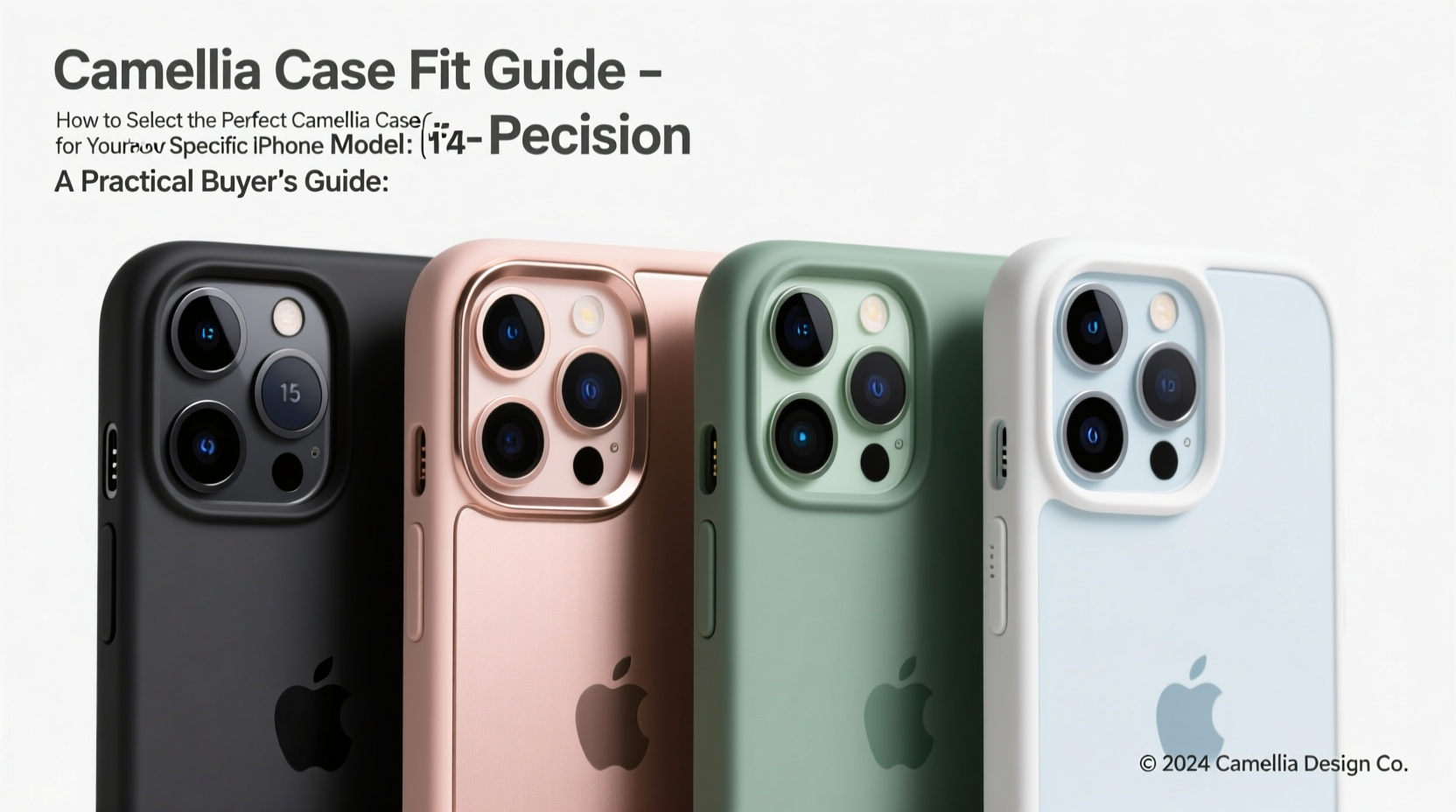
The first and most crucial step in choosing any phone case is confirming compatibility with your specific iPhone model. Apple releases new devices annually, each with subtle differences in dimensions, camera placement, button location, and port alignment. A case designed for an iPhone 14 Pro Max will not fit an iPhone 15 Pro, even if they appear similar at a glance.
Camellia typically labels its cases with precise model support—such as “iPhone 13,” “iPhone 14 Pro,” or “iPhone 15.” Always verify your iPhone model before purchasing. You can find this information by going to:
- Settings > General > About
- Look for “Model Name” or “Model Number”
- Cross-reference with the product listing on the retailer’s site
Assess Protection Needs Based on Lifestyle
Your daily routine should dictate the level of protection required. Camellia offers multiple case types—slim, hybrid, and rugged—each suited to different usage patterns.
- Slim Cases: Ideal for indoor use, minimalists, or those who prioritize pocketability. These offer basic scratch resistance but limited drop protection.
- Hybrid Cases: Combine a soft inner TPU layer with a rigid polycarbonate outer shell. Best for urban commuters or parents juggling phones while on the move.
- Rugged Cases: Feature reinforced corners, raised bezels, and thicker materials. Recommended for outdoor enthusiasts, construction workers, or anyone prone to accidental drops.
If you frequently place your phone on tables, carry it in bags without padding, or live an active lifestyle, opt for a hybrid or rugged Camellia case with MIL-STD-810G drop-test certification—a standard many premium Camellia models meet.
Material Quality and Long-Term Durability
Camellia uses a range of materials, including polycarbonate, thermoplastic polyurethane (TPU), and eco-friendly bioplastics. Each has distinct advantages:
| Material | Pros | Cons |
|---|---|---|
| Polycarbonate | Durable, scratch-resistant, maintains color over time | Less shock-absorbent alone; usually paired with TPU |
| TPU | Flexible, excellent impact absorption, easy installation | Can yellow over time with UV exposure |
| Eco-Bioplastics | Sustainable, biodegradable, lightweight | Slightly less durable than traditional plastics |
For long-term use, choose a dual-layer hybrid case combining TPU and polycarbonate. These provide optimal shock dispersion during drops while resisting scratches from keys or surfaces.
“Case longevity isn’t just about thickness—it’s material composition and structural design that determine real-world performance.” — Daniel Park, Mobile Accessory Engineer
Design and Functional Features That Matter
Beyond protection, consider functional elements that enhance usability:
- Precise Cutouts: Ensure speaker grilles, charging ports, and camera lenses are fully accessible without obstruction.
- Button Responsiveness: Camellia cases should feature molded buttons (not flat overlays) for tactile feedback.
- MagSafe Compatibility: If you use wireless charging or magnetic accessories, confirm the case supports MagSafe alignment and doesn’t interfere with charging efficiency.
- Matte vs. Glossy Finish: Matte finishes resist fingerprints and smudges; glossy ones look sleeker but show dirt quickly.
- Color Options: Neutral tones like black, gray, or beige hide wear better over time. Bright colors may fade or show scratches more readily.
Mini Case Study: Choosing the Right Case for Daily Commuting
Sophie, a graphic designer in Seattle, owned an iPhone 14 Pro and commuted via bus and foot. She carried her phone in a tote bag alongside pens, notebooks, and a water bottle. Within two months, her slim plastic case cracked after being crushed under a laptop. After researching, she switched to a Camellia Hybrid Pro case designed specifically for the iPhone 14 Pro. The dual-material build survived repeated drops from waist height, and the raised lip protected her screen when placed face-down. Over 14 months later, the case shows only minor scuffing—no structural damage. Her experience underscores the importance of matching case durability to real-world usage.
Step-by-Step Guide to Selecting Your Camellia Case
Follow this sequence to make a confident, informed purchase:
- Identify your iPhone model using Settings > General > About.
- Determine your primary use case: Office work? Outdoor travel? Parenting?
- Choose the protection tier: Slim, hybrid, or rugged based on risk of drops.
- Verify MagSafe compatibility if you use wireless chargers or mounts.
- Check customer reviews for feedback on fit, button quality, and yellowing over time.
- Select finish and color based on maintenance preferences and style.
- Purchase from authorized retailers to ensure authenticity and warranty coverage.
Frequently Asked Questions
Will a Camellia case affect my iPhone’s wireless charging speed?
No—if the case is labeled as MagSafe-compatible. Non-MagSafe cases may cause misalignment or slower charging due to increased distance between the coil and charger. Always check product specifications before buying.
Do Camellia cases yellow over time?
Clear or light-colored TPU cases may develop a slight yellow tint after prolonged exposure to UV light or oils from skin. To minimize this, avoid leaving the phone in direct sunlight and clean the case monthly with a microfiber cloth and mild soap.
Are Camellia cases waterproof?
No Camellia case is fully waterproof. While some offer splash resistance, none are rated for submersion. For underwater protection, consider a dedicated waterproof housing.
Final Checklist Before Buying
- ✅ Confirmed iPhone model match (e.g., iPhone 15 Pro, not just “iPhone 15”)
- ✅ Chose appropriate protection level (slim, hybrid, rugged)
- ✅ Verified MagSafe compatibility if needed
- ✅ Checked for precise cutouts and responsive buttons
- ✅ Read recent customer reviews for durability insights
- ✅ Purchasing from a trusted seller (official website, Amazon, Apple Store)
Conclusion
Choosing the perfect Camellia case isn’t about picking the most attractive option—it’s about aligning protection, fit, and function with your actual lifestyle. Whether you’re navigating city streets, working remotely, or managing a busy household, the right case preserves your iPhone’s integrity and enhances daily usability. Take a moment to assess your needs, follow the steps outlined here, and invest in a Camellia case that truly fits—not just physically, but practically.




 浙公网安备
33010002000092号
浙公网安备
33010002000092号 浙B2-20120091-4
Comments
No comments yet. Why don't you start the discussion?