
A clean car isn’t just about polished surfaces and vacuumed seats—odor control plays a crucial role in the driving experience. Over time, vehicles accumulate odors from food spills, humidity, pet dander, and even off-gassing materials. While air fresheners offer temporary relief, a well-chosen car fragrance pendant provides consistent, long-lasting freshness that complements your personal style and lifestyle. Unlike sprays or plug-ins, pendants are discreet, portable, and often crafted with higher-quality ingredients. But with so many options—from leather tags to wooden diffusers and gel-based designs—choosing the right one requires more than just picking a pleasant scent.
Selecting the ideal car fragrance pendant involves understanding scent longevity, material compatibility, ventilation dynamics, and safety considerations. This guide walks you through every critical factor to ensure your choice delivers both performance and pleasure over time.
Understanding Car Fragrance Pendants: Types and Mechanisms
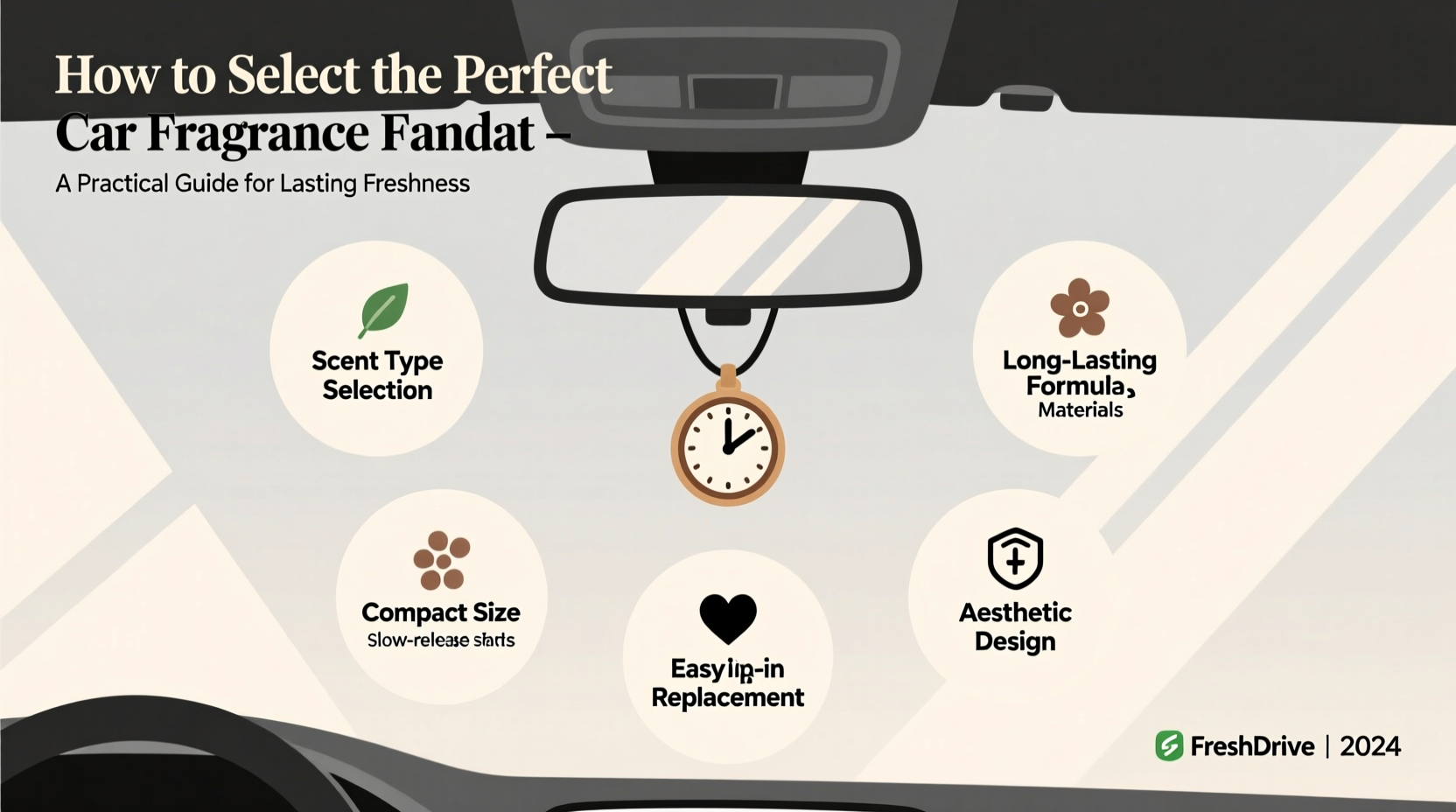
Fragrance pendants work by slowly releasing aromatic compounds into the air via passive diffusion. They typically hang from the rearview mirror, though some attach to vents or seat backs. The release rate depends on the carrier material and environmental conditions such as temperature and airflow.
There are three primary types of pendants:
- Gel-Based Pendants: Contain scented gels sealed in plastic or silicone casings. They last 2–4 weeks but may degrade in high heat.
- Fabric or Felt Tags: Often infused with essential oils or synthetic fragrances. These provide moderate longevity (3–6 weeks) and are cost-effective.
- Natural Material Pendants (Wood, Cork, Leather): Highly porous materials absorb fragrance oils deeply, offering extended release—up to 8 weeks or more. Cedarwood and sandalwood are especially effective due to their natural oil retention.
The mechanism is simple: as air moves through the car interior, it carries microscopic scent particles into the cabin. Materials like wood or cork allow for slower, more controlled evaporation compared to gel, which can emit bursts when warmed suddenly.
Choosing the Right Scent Profile for Your Lifestyle
Scent is subjective, but functionality should guide your selection. A calming lavender might be soothing for daily commutes, while an energizing citrus blend could enhance alertness on long drives. Consider your routine and environment when selecting a fragrance profile.
Here’s a breakdown of common scent families and their best use cases:
| Scent Family | Common Notes | Ideal For | Caution |
|---|---|---|---|
| Citrus | Lemon, Orange, Grapefruit | Morning drives, boosting focus | May fade faster; avoid direct sun |
| Woody/Earthy | Sandalwood, Cedar, Patchouli | Long trips, luxury feel | Stronger scent—use sparingly if sensitive |
| Floral | Lavender, Jasmine, Rose | Relaxing rides, urban commutes | Potentially overwhelming in small cabins |
| Fresh/Clean | Ocean breeze, linen, rain | New-car smell replacement | Subtle; may require frequent replacement |
| Spicy/Gourmand | Vanilla, Cinnamon, Amber | Winter months, cozy ambiance | Can attract dust or insects if overly sweet |
“Scent impacts mood and cognitive performance. A well-matched fragrance can reduce driver fatigue by up to 15%.” — Dr. Lena Torres, Environmental Psychologist & Sensory Researcher
Step-by-Step Guide to Selecting and Installing Your Pendant
Follow this five-step process to ensure optimal performance and satisfaction:
- Assess Your Car’s Ventilation: Vehicles with strong HVAC systems circulate air quickly, requiring longer-lasting materials like wood. Smaller cars with limited airflow benefit from moderately potent felt tags.
- Determine Usage Frequency: Daily drivers need durable, low-maintenance pendants. Occasional users can opt for premium short-term options.
- Test Scents Before Committing: If possible, sample the fragrance outside the vehicle. Strong notes indoors may become cloying in confined spaces.
- Select the Hanging Location: Rearview mirror offers balanced diffusion. Avoid placing near air vents if using gel—rapid airflow can cause uneven release.
- Install and Monitor: Hang the pendant securely. Check weekly for fading scent or physical degradation. Rotate position slightly every two weeks for even exposure.
Common Mistakes and How to Avoid Them
Even experienced users make errors that compromise scent quality or safety. Be mindful of these pitfalls:
- Overpowering the Cabin: Using multiple pendants or ultra-strong gels can lead to olfactory fatigue and discomfort. One well-placed pendant is sufficient.
- Ignoring Temperature Effects: High heat accelerates fragrance release. Leaving a gel pendant in a sun-exposed car can exhaust it in days instead of weeks.
- Poor Material Choice: Synthetic plastics may leach chemicals when heated. Opt for BPA-free, non-toxic carriers, especially if children or pets ride frequently.
- Neglecting Placement Safety: Ensure the pendant doesn’t obstruct vision. It should hang below eye level and not swing into view during turns or braking.
Real-World Example: Maximizing Freshness in a Family SUV
Sarah, a school administrator and mother of two, drives a seven-seater SUV used daily for carpools, grocery runs, and weekend trips. Within weeks, her car developed persistent odors from spilled juice, wet sports gear, and pet transport. She tried spray fresheners, but they only masked smells temporarily.
She switched to a cedarwood-based pendant infused with a light citrus-eucalyptus blend. The natural wood absorbed and slowly released the oil, maintaining freshness for nearly two months. By hanging it near the rear ceiling vent, she leveraged airflow without direct fan exposure. After six weeks, she refreshed it with two drops of essential oil, extending its life another three weeks. Her family noticed improved air quality, and even her daughter’s allergy symptoms decreased due to fewer chemical residues.
Checklist: Choosing Your Ideal Car Fragrance Pendant
Use this checklist before purchasing or installing a new pendant:
- ☐ I’ve considered my driving habits (daily vs. occasional)
- ☐ I’ve selected a scent that matches my mood and environment
- ☐ The material is safe, non-toxic, and suitable for my climate
- ☐ The pendant won’t obstruct visibility or moving parts
- ☐ It’s placed in an area with moderate airflow for even diffusion
- ☐ I have a plan to refresh or replace it based on expected lifespan
FAQ
How long do car fragrance pendants usually last?
Most last between 3 to 8 weeks. Natural material pendants (wood, leather) tend to last longer—up to 10 weeks—while gel and fabric types typically last 3–5 weeks depending on temperature and airflow.
Can I refill my fragrance pendant?
Some pendants, especially those made of wood, cork, or felt, can be safely recharged with a few drops of compatible essential or fragrance oil. Always follow manufacturer guidelines to avoid leakage or material damage.
Are car fragrance pendants safe for children and pets?
Yes, when used correctly. Choose pendants labeled non-toxic and free from phthalates or formaldehyde. Avoid overly strong gourmand scents that may trigger sensitivities. Keep out of reach to prevent chewing or ingestion.
Final Thoughts: Elevate Your Driving Experience
The right car fragrance pendant does more than mask odors—it transforms your vehicle into a personalized sanctuary. From material choice to scent psychology, every detail contributes to a fresher, more enjoyable ride. Whether you prefer the crispness of alpine air or the warmth of vanilla spice, there’s a pendant designed to meet your needs without compromising safety or comfort.




 浙公网安备
33010002000092号
浙公网安备
33010002000092号 浙B2-20120091-4
Comments
No comments yet. Why don't you start the discussion?