
Selecting the right fabric for a knitted dress goes far beyond aesthetics. While color and pattern matter, the material you choose directly influences how the garment feels on your skin, holds its shape over time, drapes on your body, and responds to movement. A poorly chosen knit can cling where it shouldn’t, pill after two wears, or lose elasticity after one wash. On the other hand, the right fabric elevates both comfort and elegance, turning a simple design into a wardrobe staple. This guide breaks down the essential factors in fabric selection—from fiber content to weight and care requirements—so you can make informed decisions whether you're buying or making your next knitted dress.
Understand Fiber Types and Their Characteristics
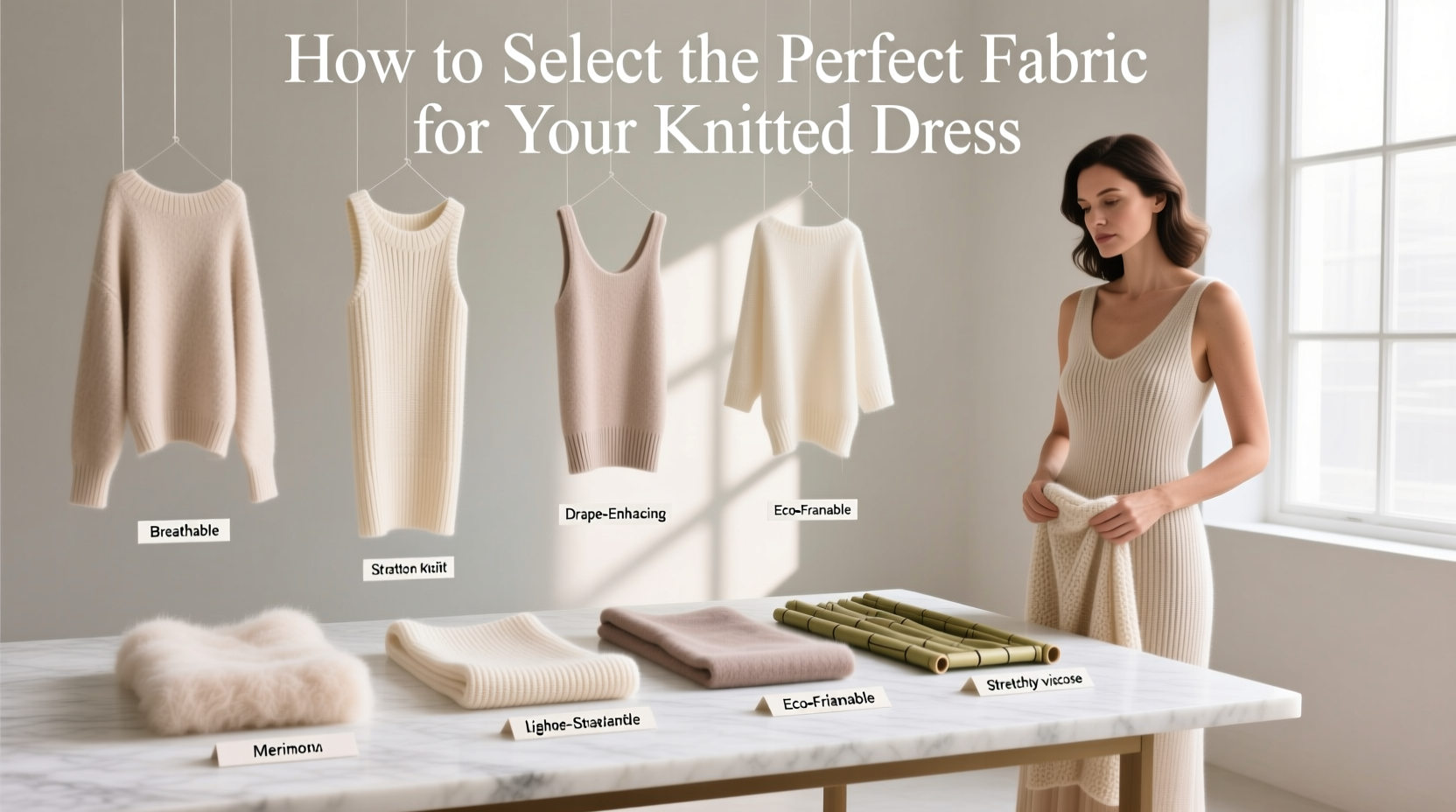
Fabric behavior starts with the fiber. Natural, synthetic, and blended fibers each bring distinct qualities to a knitted dress. Knowing what each offers helps match material to purpose.
- Cotton: Breathable, soft, and ideal for warm weather. Cotton knits like jersey or interlock offer modest stretch and excellent comfort. However, pure cotton can sag over time and lacks recovery, meaning it may stretch out with wear.
- Wool: Naturally insulating, moisture-wicking, and elastic. Merino wool is especially prized for its fine texture and temperature regulation. It’s excellent for cooler months but requires careful washing—usually hand or gentle machine cycles.
- Linen: Highly breathable and crisp, linen gives a relaxed, textured look. It wrinkles easily and has minimal stretch, so it's best suited for looser-fitting knits rather than form-fitting styles.
- Silk: Luxurious, lightweight, and naturally lustrous. Silk-blend knits drape beautifully and feel cool against the skin. They’re delicate, though, and often require dry cleaning.
- Polyester & Rayon (Viscose): Synthetic or semi-synthetic fibers that add durability, drape, and wrinkle resistance. Rayon has a silky hand feel but can weaken when wet. Polyester enhances shape retention and reduces shrinkage, especially when blended with natural fibers.
- Elastane (Spandex/Lycra): Rarely used alone, but even 2–5% adds significant stretch and recovery. Essential for bodycon or fitted knitted dresses to maintain snugness without constriction.
“Fiber choice isn’t just about touch—it dictates longevity, environmental impact, and seasonal suitability.” — Lena Torres, Textile Designer at Atelier Nova
Determine the Right Knit Structure for Your Design
The way yarns are looped together—the knit structure—affects stretch, stability, and appearance. Common types include:
- Jersey (Single Knit): Smooth on one side, textured on the reverse. It rolls at the edges and has moderate vertical stretch. Best for casual, flowy dresses.
- Interlock: Two layers of jersey fused together. It lies flat, doesn’t curl, and is more stable. Ideal for structured knits with clean hems.
- Rib Knit: Alternating raised and recessed rows. Offers excellent horizontal stretch and recovery. Often used in cuffs, collars, or entire fitted dresses.
- Ponte di Roma: A double-knit with firm structure and two-way stretch. Holds shape well and resists wrinkles—perfect for tailored knitted sheaths.
Match Fabric Weight and Drape to Silhouette
A dress designed for fluid movement needs a different fabric than one meant to hold sharp lines. The weight (measured in grams per square meter, or GSM) and drape determine how the garment hangs on the body.
| Fabric Weight (GSM) | Drape Quality | Ideal Dress Style |
|---|---|---|
| 50–100 | Fluid, floaty | Slip dresses, summer tunics |
| 100–180 | Soft, supple | T-shirt dresses, wrap styles |
| 180–250 | Firm, structured | Sheath dresses, pencil styles |
| 250+ | Heavy, minimal drape | Winter knits, coat-dresses |
Lightweight knits suit loose silhouettes and layering, while heavier fabrics provide coverage and shape. For example, a merino wool blend at 200 GSM works beautifully for a fall midi dress—warm enough to stand alone yet flexible enough to move with you.
Follow a Step-by-Step Fabric Selection Process
To avoid disappointment, approach fabric selection methodically. Whether shopping off-the-rack or sourcing for sewing, follow these steps:
- Define the dress purpose: Is it for everyday wear, evening events, or seasonal use? A cocktail dress demands elegance and drape; a weekend dress prioritizes ease and washability.
- Assess climate and season: Choose breathable fibers like cotton or linen for summer, insulating ones like wool for winter. Consider layering potential in transitional months.
- Check stretch and recovery: Pull a small section and release. Does it return to its original size? Poor recovery leads to bagging at knees or waistbands.
- Test for opacity: Hold the fabric up to light or stretch it slightly. Sheerness increases with stretch, so a thin rayon knit might require lining.
- Review care instructions: Will you hand-wash silk frequently, or do you need machine-washable resilience? Busy lifestyles favor low-maintenance blends.
- Feel the hand: Rub the fabric between your fingers. Scratchy textures may irritate sensitive skin, even if visually appealing.
Real-World Example: Choosing Fabric for a Work-to-Evening Dress
Maria, a freelance designer in Portland, wanted a versatile knitted dress that could transition from client meetings to dinner. Her criteria included professional polish, all-day comfort, and easy care. After testing several samples, she chose a 65% TENCEL™, 30% nylon, 5% spandex ponte knit. The TENCEL™ offered a smooth, elegant drape and breathability; nylon added durability and shape retention; and the small elastane percentage ensured subtle stretch without sagging. The fabric was machine washable on gentle, resisted wrinkles, and held its color after multiple washes. Six months later, it remains her most-worn piece—proof that thoughtful fabric selection pays off.
Essential Checklist Before You Buy or Cut
Before finalizing your choice, run through this checklist:
- ✅ Does the fabric match the intended season?
- ✅ Is it opaque when stretched?
- ✅ Does it recover well after stretching?
- ✅ Can it be cleaned according to your routine?
- ✅ Does it complement your body type? (e.g., draping knits flatter fuller figures)
- ✅ Is it sustainably sourced, if that matters to you?
- ✅ Have you pre-washed it (if sewing) to test shrinkage?
Frequently Asked Questions
Can I wear wool knits in warmer climates?
Yes—especially fine wools like merino. They regulate temperature by wicking moisture and allowing airflow. Lightweight merino knits are used in performance wear for this reason.
Why does my knitted dress stretch out during the day?
This usually indicates low fiber recovery. Pure cotton or rayon knits stretch under gravity and body movement but don’t snap back. Blends with elastane (at least 3–5%) help maintain shape.
Is viscose a good choice for knitted dresses?
Viscose offers beautiful drape and softness at an affordable price, but it weakens when wet and can shrink or distort in the wash. Look for blended versions (e.g., viscose-elastane) and always follow care labels carefully.
Final Thoughts: Invest in Fabric Intelligence
The beauty of a knitted dress lies not just in its cut or color, but in the quiet intelligence of its fabric. The right material supports your lifestyle, honors your comfort, and endures beyond trends. By understanding fiber properties, evaluating structure and weight, and aligning choices with real-world needs, you empower yourself to curate a wardrobe where every piece earns its place. Whether you're selecting off the rack or cutting your own pattern, treat fabric as the foundation—not an afterthought.




 浙公网安备
33010002000092号
浙公网安备
33010002000092号 浙B2-20120091-4
Comments
No comments yet. Why don't you start the discussion?