
In modern kitchens, where high-heat cooking is routine and multiple appliances operate in close proximity, managing thermal transfer is essential—not just for efficiency, but for safety. One often-overlooked yet critical tool in this effort is the quilted heat insulation mat. These mats are designed to protect countertops, cabinets, and surrounding surfaces from radiant heat generated by ovens, stovetops, grills, and portable cooktops. But not all mats are created equal. Choosing the right one involves understanding material composition, thickness, size, fire resistance, and long-term durability. A poorly chosen mat can degrade quickly or fail under heat stress, creating hazards rather than preventing them.
Selecting the perfect quilted heat insulation mat means balancing performance with practicality. Whether you're a home cook using a portable induction burner or a professional chef managing a crowded kitchen layout, the right mat enhances both safety and workflow. This guide breaks down what to look for, how to match a mat to your specific needs, and why investing time in selection pays off in longevity and peace of mind.
Understand the Role of Heat Insulation Mats
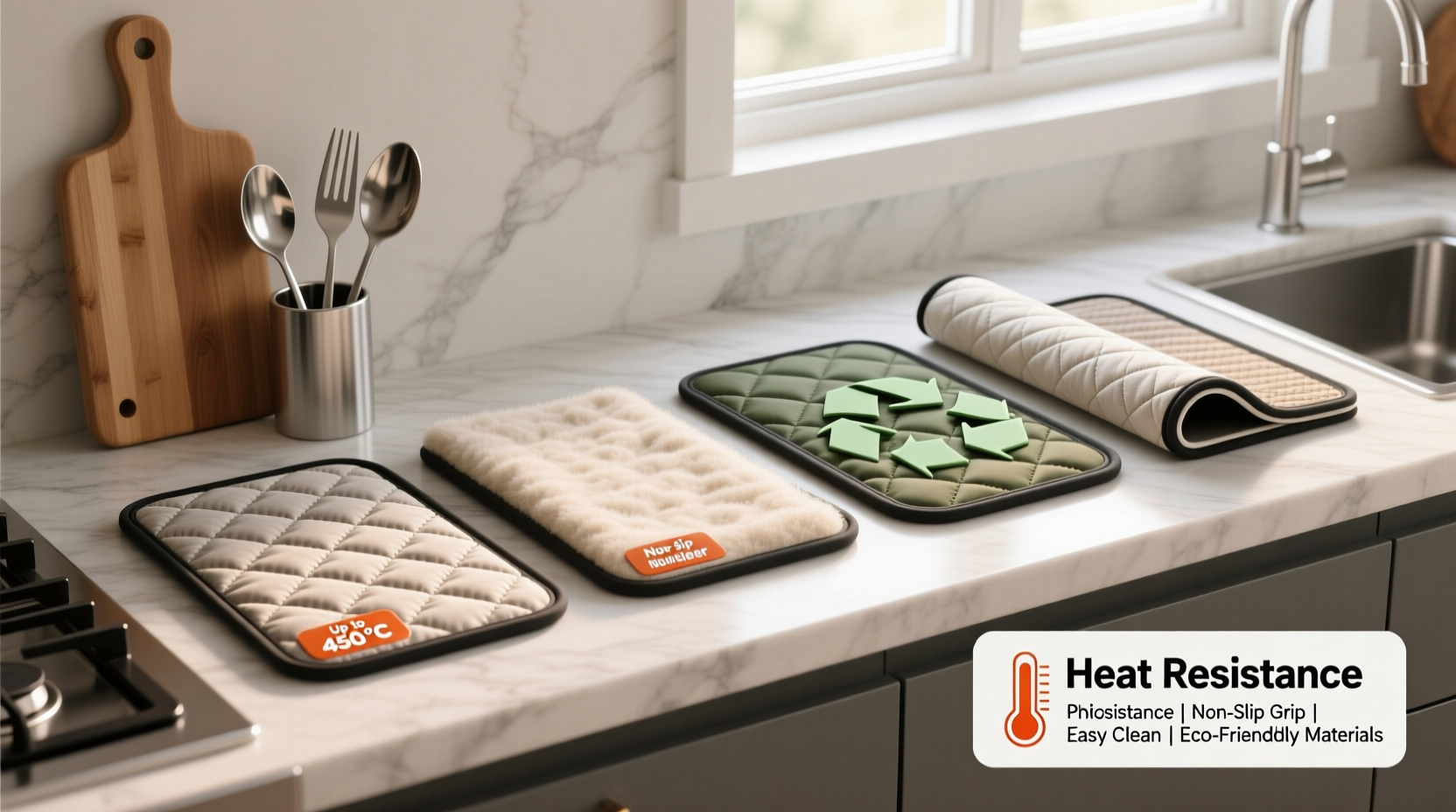
Quilted heat insulation mats serve as thermal barriers between hot appliances and sensitive surfaces like laminate, wood, or granite countertops. Unlike simple trivets that only protect small zones, these mats cover larger areas and are especially useful when placing equipment near walls, cabinets, or combustible materials. Their quilted design isn’t just aesthetic—it increases air pockets within the fabric layers, enhancing insulating properties.
These mats are commonly used under:
- Induction cooktops
- Toaster ovens
- Deep fryers
- Electric griddles
- Camping stoves used indoors (e.g., during winter prep)
The core function is twofold: prevent surface damage from prolonged heat exposure and reduce fire risk by minimizing direct contact between heat sources and flammable substrates. In commercial kitchens, building codes often require such protective measures. In homes, they’re a smart preventive upgrade—especially with the growing popularity of modular and countertop cooking devices.
Key Features to Evaluate Before Buying
Not every mat labeled “heat resistant” can handle sustained temperatures above 300°F. To avoid misleading claims, focus on measurable features backed by testing standards.
Material Composition
The best insulation mats use multi-layer constructions combining fiberglass, silicone-coated fabrics, ceramic fibers, or aramid textiles (like Nomex or Kevlar). These materials resist charring, melting, and smoke emission even at extreme temperatures. Avoid mats made primarily of PVC or vinyl—they may warp or emit toxic fumes when heated.
Temperature Rating
Look for a clear maximum temperature rating, ideally exceeding 500°F (260°C). Some premium models withstand up to 1,000°F (538°C) for short durations. Continuous-use ratings are more important than peak burst resistance.
Thickness and Density
Thicker mats generally offer better insulation. A minimum of 2–3mm is recommended; high-performance options reach 6mm through layered quilting. However, excessive thickness may interfere with appliance stability—balance protection with usability.
Size and Shape Flexibility
Measure your appliance footprint plus at least 2 inches on all sides. Standard rectangular mats work for most setups, but custom-cut or roll-style mats allow precise fitting in tight spaces.
“Many kitchen fires start due to overlooked radiant heat buildup behind compact appliances. A certified insulation mat acts as a silent safeguard.” — Dr. Alan Zhou, Fire Safety Engineer, National Kitchen Standards Institute
Comparison Table: Common Mat Types and Performance
| Material Type | Max Temp (°F) | Flame Resistant? | Durability | Best For |
|---|---|---|---|---|
| Fiberglass + Silicone Coating | 500–600 | Yes | High | Induction cooktops, toaster ovens |
| Ceramic Fiber Felt | 1,000+ | Yes | Moderate (fragile if bent) | Commercial grills, high-heat burners |
| Aramid Fabric Blend | 750 | Yes | Very High | Professional kitchens, mobile catering |
| PVC-Coated Polyester | 250 | No | Low | Light-duty use only – not recommended |
| Silicone Rubber Mats | 450 | Limited | Moderate | Countertop protection, moderate heat |
Step-by-Step Guide: Choosing and Installing Your Mat
Follow this sequence to ensure optimal performance and safety:
- Identify the Appliance: Note its weight, heat output, and whether it has bottom vents.
- Measure the Base: Include any protrusions or uneven edges. Add 2 inches on each side for full coverage.
- Check Ventilation Needs: Ensure the mat doesn’t block airflow beneath the appliance unless specified as safe by the manufacturer.
- Select Material Based on Heat Level: Use the table above to match your appliance’s typical operating temperature.
- Verify Certification: Look for UL, CE, or ASTM E136 flame-resistance certifications.
- Place and Test: Position the mat on a clean, flat surface. Run the appliance at medium-high heat for 15 minutes. Check for warping, odor, or excessive warmth on the underside.
- Inspect Monthly: Look for discoloration, stiffness, or fraying—signs of degradation.
Real-World Example: Preventing a Potential Hazard
In early 2023, a family in Portland upgraded their kitchen with a sleek quartz countertop and added a portable induction cooktop for quick meals. After several weeks, they noticed a faint smoky smell during use and discovered slight bubbling under the counter edge near the backsplash. An inspection revealed that radiant heat from the cooktop was transferring through the metal base, affecting the adhesive layer beneath the quartz. They installed a 4mm fiberglass-silicone quilted mat rated to 600°F. Within days, surface temperatures dropped by nearly 60%, and the odor disappeared. The mat paid for itself in prevented repair costs and restored confidence in daily cooking.
Essential Checklist Before Purchase
- ✅ Confirmed continuous temperature rating above your appliance’s max output
- ✅ Non-toxic, no off-gassing under heat
- ✅ Flame-resistant certification (UL, ASTM, etc.)
- ✅ Proper size with buffer zone around appliance
- ✅ Compatible with appliance ventilation design
- ✅ Easy to clean and maintain
- ✅ Manufacturer provides warranty or lifespan estimate
Frequently Asked Questions
Can I cut a heat insulation mat to fit my space?
Only if the product instructions explicitly allow it. Some materials, like silicone-coated fiberglass, can be trimmed with heavy-duty scissors without unraveling. Others, particularly those with sealed edges or embedded wires, should never be altered.
How long do these mats typically last?
With regular use and proper care, high-quality mats last 3–5 years. Signs of aging include darkening, brittleness, or reduced flexibility. Replace immediately if any of these appear.
Are quilted mats safe for outdoor kitchens?
Yes, but only if they are UV-resistant and waterproof. Standard indoor mats may degrade quickly when exposed to moisture and sunlight. Look for outdoor-rated versions with weatherproof coatings.
Final Thoughts: Safety Starts With Smart Choices
A kitchen is only as safe as its weakest overlooked detail. The quilted heat insulation mat may seem minor, but it plays a vital role in preventing thermal damage and reducing fire risks. By selecting a mat based on verified performance metrics—not marketing slogans—you protect your investment in both appliances and cabinetry. Prioritize certified materials, correct sizing, and ongoing maintenance. Remember, true efficiency isn’t just about speed or energy use; it’s about sustaining a workspace that remains reliable, functional, and hazard-free over time.




 浙公网安备
33010002000092号
浙公网安备
33010002000092号 浙B2-20120091-4
Comments
No comments yet. Why don't you start the discussion?