
Setting a world record isn’t just about breaking limits—it’s about proving what’s possible. Whether you’re drawn to physical feats, quirky talents, or endurance challenges, the process of achieving a world record is structured, demanding, and deeply rewarding. With the right approach, anyone can turn an ambitious idea into a certified achievement recognized by Guinness World Records or other official bodies.
The journey begins not with spectacle, but with strategy. Success hinges on preparation, documentation, and adherence to strict guidelines. This guide walks through every phase—from selecting a viable record attempt to celebrating your success—so you can approach your goal with confidence and clarity.
Choose Your Record Wisely
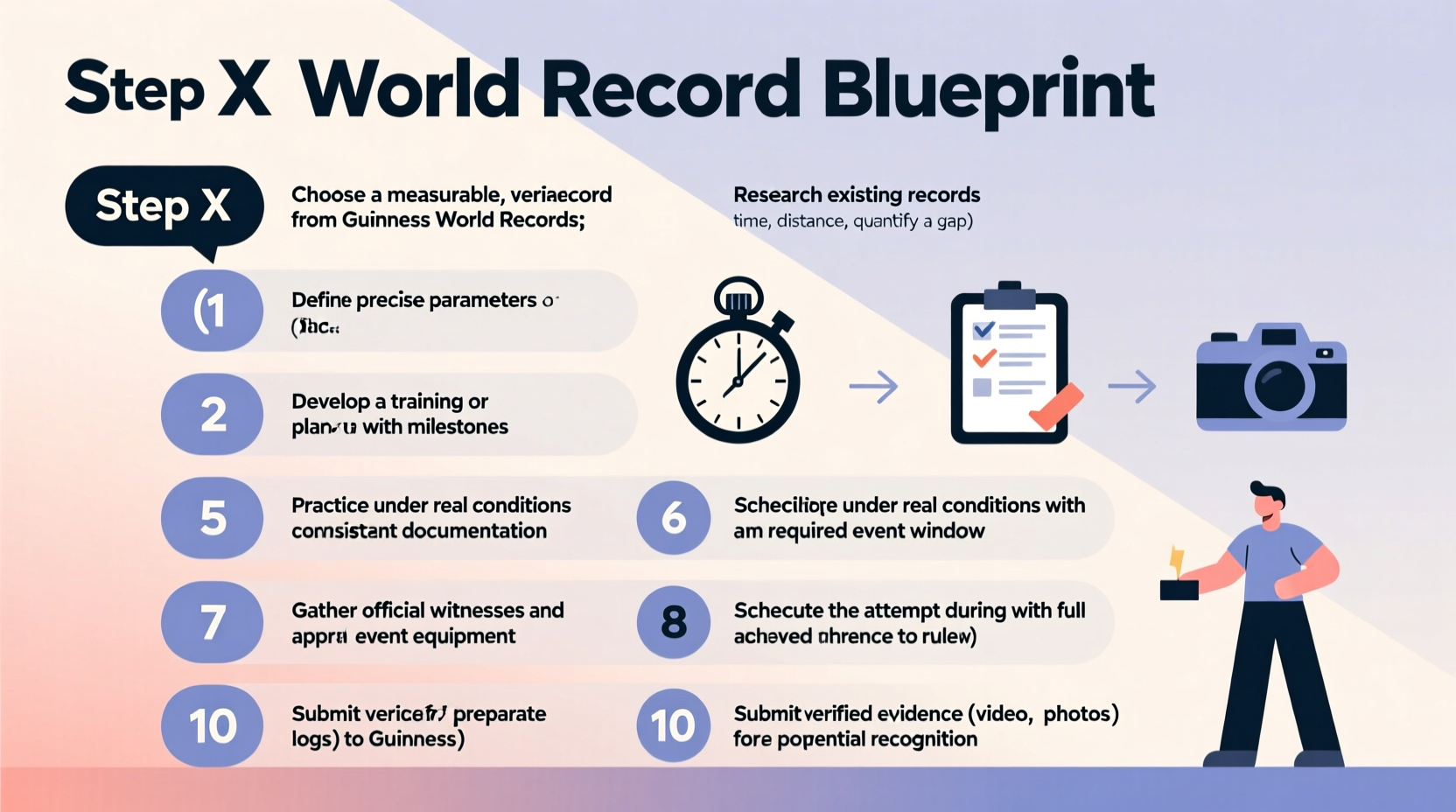
Not all records are created equal. Some are nearly impossible to break without elite training; others require creativity and persistence more than physical strength. The first step is identifying a category that aligns with your skills, interests, and resources.
Guinness World Records categorizes attempts into areas like:
- Athletic performance (e.g., most push-ups in one hour)
- Mental feats (e.g., fastest time to memorize a deck of cards)
- Endurance (e.g., longest time balancing on one foot)
- Collecting (e.g., largest collection of rubber ducks)
- Unique talents (e.g., most spoons balanced on the face)
Use the Guinness World Records website to search existing records. Look for recently broken records—you may have a chance to surpass them. Also consider proposing a new record if your idea is original, verifiable, and meets their criteria for “achievable, measurable, and breakable.”
Follow the Official Process: A Step-by-Step Guide
Attempting a record without following proper procedures leads to disqualification. Here’s how to proceed correctly:
- Research Existing Rules: Find the exact title and requirements for your chosen record. Each has specific guidelines on duration, measurement, witnesses, and equipment.
- Contact Guinness World Records: Submit a formal application via their online portal. Include details about your plan, date, location, and evidence of past experience if relevant.
- Wait for Approval: GWR typically responds within 10–15 business days. They may suggest modifications or confirm eligibility.
- Prepare Documentation Plan: You’ll need video footage, witness statements, signed forms, and often third-party verification (like a judge or official timer).
- Execute the Attempt: Follow all rules precisely. Any deviation—even minor—can invalidate your effort.
- Submit Evidence: Within six months, upload your video, logs, photos, and affidavits through the GWR portal.
- Receive Verification: Review takes 8–12 weeks. If successful, you’ll receive a certificate and may be featured in media or publications.
Real Example: Breaking the Jump Rope Record
In 2021, Sarah Lin, a PE teacher from Portland, set a new record for \"most jump rope crisscross jumps in 30 seconds.\" She spent three months training daily, using high-speed cameras to self-audit technique. After submitting her attempt with two school administrators as official witnesses and synchronized timers, her video was reviewed and approved. Her name appeared in the 2022 edition of the Guinness Book, and she used the platform to launch a youth fitness program.
Sarah’s success came not from raw talent alone, but from meticulous planning and respect for protocol.
Essential Preparation Checklist
Before attempting any record, ensure these elements are in place:
- ✅ Confirm the record title and current holder
- ✅ Review full guidelines on the GWR website
- ✅ Schedule the attempt with backup dates
- ✅ Secure two impartial adult witnesses
- ✅ Arrange for continuous, unedited video recording (front and side angles)
- ✅ Calibrate measuring tools (stopwatch, scale, counter, etc.)
- ✅ Prepare all necessary forms and waivers
- ✅ Train consistently and log progress
Common Pitfalls and How to Avoid Them
Many attempts fail—not due to lack of ability, but because of procedural errors. The table below outlines frequent mistakes and solutions:
| Do’s | Don’ts |
|---|---|
| Use calibrated, visible timing devices | Estimate time or use phone clocks without sync |
| Have neutral witnesses (no family or friends) | Rely on relatives as official counters |
| Record video continuously, showing full body and environment | Cut or edit footage between start and finish |
| Follow the exact wording of the record title | Attempt a variation without pre-approval |
| Submit evidence within six months | Delay submission due to post-attempt fatigue |
“We see hundreds of submissions each month. The ones that succeed aren’t always the most extreme—they’re the ones that follow the rules perfectly.” — Craig Glenday, Editor-in-Chief, Guinness World Records
Frequently Asked Questions
Can I set a world record at home?
Yes, many records are set in private spaces like backyards or garages. However, you must still meet all evidence requirements: clear video, independent witnesses, and proper equipment. The location doesn’t matter as long as the attempt is fair and verifiable.
Is there an age limit for setting a record?
No official minimum age exists, but participants under 18 require parental consent. Some physically demanding records may be discouraged for minors, but young people have set records in memory, art, coding, and charity fundraising.
What if my record is broken shortly after?
That’s part of the spirit of world records. Once you’ve been verified, your achievement remains officially recognized—even if someone else breaks it later. Many record holders enjoy the temporary spotlight and use it for personal or charitable goals.
Final Steps: Submission and Beyond
After completing your attempt, act quickly. Compile your materials within a week while memories are fresh. Upload your video (ensure it shows countdown, full attempt, and stop signal), attach signed witness forms, and include any supporting data like calibration certificates.
If approved, you’ll receive digital and optionally printed certification. You can license your story for media use, speak at events, or inspire others through social platforms. Some record holders partner with brands or nonprofits to amplify their message.
Even if your first attempt fails, feedback from GWR can guide improvements. Many successful record-breakers failed once before succeeding on the second try.
Conclusion: Start Now, Stay Focused
Setting a world record is less about superhuman ability and more about disciplined execution. From choosing the right challenge to documenting every second with precision, the path is open to anyone willing to prepare thoroughly and play by the rules.




 浙公网安备
33010002000092号
浙公网安备
33010002000092号 浙B2-20120091-4
Comments
No comments yet. Why don't you start the discussion?