
In a compact urban apartment, every square foot counts. Yet even the tiniest living space can accommodate a personal retreat—especially one dedicated to reading. A reading nook isn’t just about having a chair and a book; it’s about creating an intentional zone that invites relaxation, focus, and escape. With thoughtful planning and strategic use of space, you can carve out a cozy corner that enhances your daily routine without sacrificing functionality. The key lies in balancing practicality with atmosphere, making the most of vertical space, multifunctional furniture, and ambient cues that signal: this is where you pause, breathe, and read.
Choose the Right Location
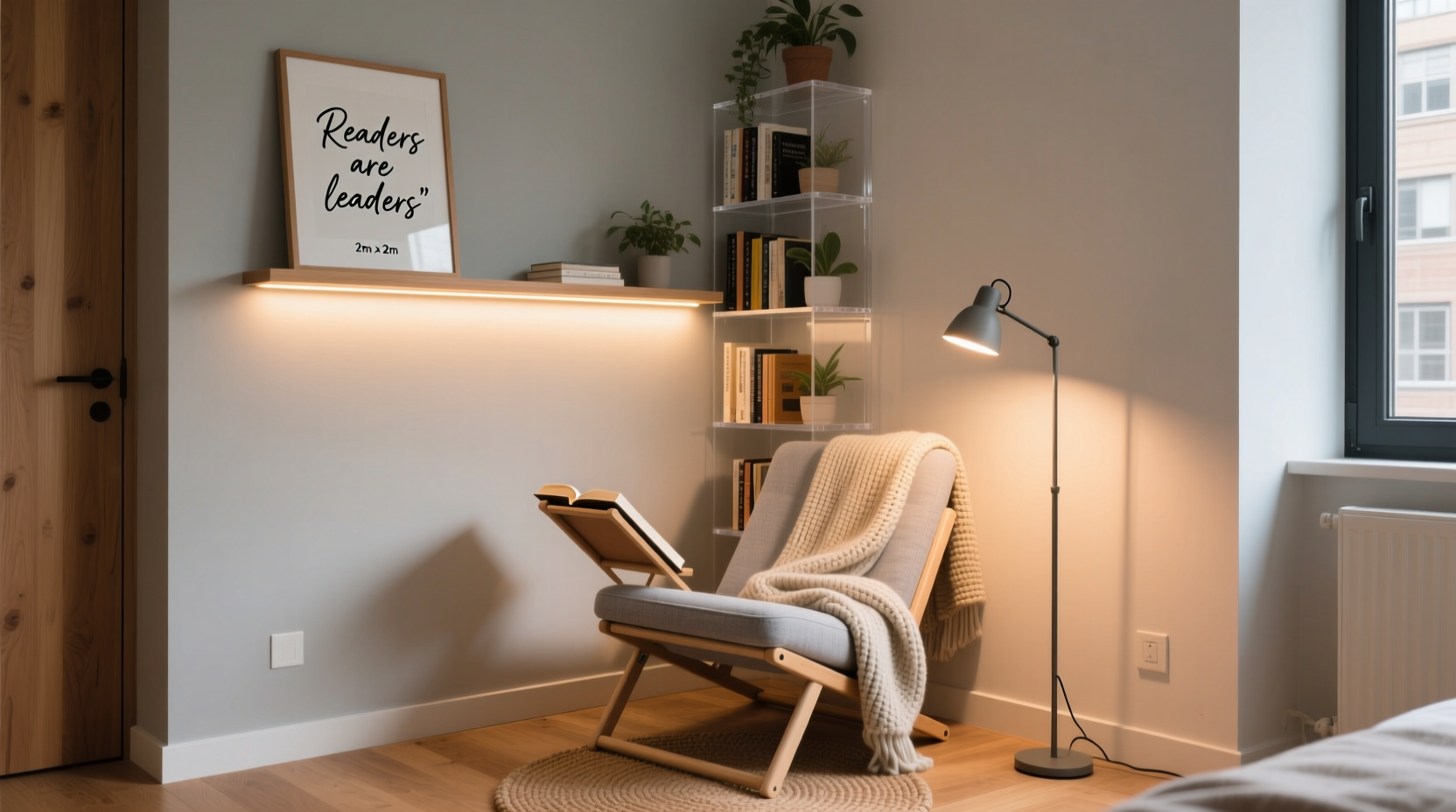
The first step in building a reading nook is identifying a viable spot. In a small apartment, obvious candidates include unused corners, recessed window bays, under staircases, or even the end of a hallway. Look for areas that naturally offer some separation from high-traffic zones like the kitchen or entryway. Natural light is a major asset, so prioritize spots near windows when possible.
Consider proximity to distractions. A nook beside a loud radiator or directly across from the TV may undermine its purpose. Instead, seek quiet pockets—perhaps the far end of a bedroom, a tucked-away alcove, or even a repurposed closet. If floor space is extremely tight, think vertically: elevated platforms, lofted areas, or wall-mounted seating can open new possibilities.
Select Space-Saving Furniture
Furniture in a small-space reading nook must be compact, functional, and ideally multipurpose. Avoid bulky armchairs unless they’re specifically designed for tight quarters. Instead, consider the following options:
- Nesting chairs: Lightweight folding or stackable chairs can be stored when not in use.
- Bench seating: Built-in window benches with hidden storage underneath double as both seat and shelf.
- Poufs or floor cushions: These take up minimal visual space and can be moved or tucked away easily.
- Hanging chairs or swings: Suspended seating saves floor area and adds a whimsical touch.
- Convertible furniture: Ottomans with storage, fold-out wall desks, or daybeds that serve dual roles.
A small side table is essential—but it doesn’t need to be traditional. Wall-mounted flip-down shelves, corner-mounted trays, or even a narrow ladder shelf leaning against the wall can hold books, a mug, and reading glasses without encroaching on walking space.
| Furniture Type | Space Efficiency | Best For | Caution |
|---|---|---|---|
| Window Bench | High (doubles as storage) | Bay windows, alcoves | May block light if too deep |
| Pouf or Floor Cushion | Very High | Tight corners, renters | Limited back support |
| Folding Chair | High | Temporary setups | Less comfortable for long sessions |
| Hanging Chair | Moderate (needs ceiling support) | Ceiling beams, strong joists | Installation required; not portable |
| Ottoman with Tray | High | Multipurpose living rooms | Ensure tray is stable |
Optimize Lighting for Comfort and Clarity
Lighting makes or breaks a reading nook. Poor illumination strains the eyes and discourages prolonged use. Natural daylight is ideal during the day, but artificial lighting is crucial for evenings and overcast days.
Aim for layered lighting: ambient (room-level), task (focused on the page), and accent (mood-setting). In a small space, avoid overhead glare. Instead, use directional sources:
- Adjustable wall sconces: Save surface space and allow precise beam control.
- Clip-on or swing-arm lamps: Attach to shelves or headboards for flexible positioning.
- Floor lamps with slim profiles: Choose arc lamps that extend over seating without blocking pathways.
- LED strip lighting: Install under shelves or behind furniture for soft backlighting.
Color temperature matters. Use warm white (2700K–3000K) for relaxation, or switchable bulbs that let you shift from warm to cool depending on time of day. Dimmers enhance versatility, allowing you to dial down brightness for nighttime wind-down.
“Good reading light should fall directly onto the page without casting shadows or reflecting off glossy surfaces.” — Lena Torres, Interior Lighting Consultant
Create Atmosphere Without Clutter
A reading nook should feel inviting, not crowded. In small spaces, visual clutter quickly overwhelms. Focus on sensory elements that enhance calm without adding physical bulk:
- Texture: Introduce a soft throw blanket, textured pillow, or wool rug to elevate comfort.
- Scent: A subtle reed diffuser or occasional candle (if safe) can anchor the space with a calming aroma like sandalwood or lavender.
- Sound: Consider noise-canceling headphones or a small white noise machine if external sounds are distracting.
- Color: Paint the wall behind the nook in a deeper tone or use removable wallpaper to define the zone visually.
Storage is critical. Even a few books left on the floor can make a tiny space feel chaotic. Use vertical solutions: wall-mounted floating shelves, pocket organizers, or a narrow book caddy that slides under a chair. Limit visible items to a curated few—a current read, a plant, and one decorative object.
Step-by-Step Guide to Building Your Nook
Follow this timeline to create a functional, beautiful reading corner—even in under 100 square feet.
- Week 1: Assess & Plan
Walk through your apartment and identify 2–3 potential spots. Measure each area and note access to power outlets, natural light, and nearby distractions. Sketch a rough layout including existing furniture. - Week 2: Source Compact Furniture
Select one primary seat and one small surface. Prioritize foldable, wall-mounted, or multipurpose pieces. Shop secondhand or modular brands to save space and budget. - Week 3: Install Lighting
Add at least one focused light source. If wiring isn’t possible, opt for plug-in sconces or USB-powered LED lamps with rechargeable batteries. - Week 4: Add Personal Touches
Introduce textiles, a plant, and a single piece of art. Install minimalist storage for 3–5 books. Test the setup with a 30-minute reading session. - Ongoing: Refine & Maintain
After two weeks of use, adjust based on comfort. Is the light too harsh? Is the seat supportive? Edit ruthlessly—remove anything that doesn’t serve function or joy.
Real Example: Maya’s Balcony Corner
Maya lives in a 450-square-foot studio in Brooklyn. With her bed, kitchenette, and desk already claiming prime real estate, she thought a reading nook was impossible—until she reconsidered her six-foot-wide balcony.
She installed a weather-resistant fold-down bench with built-in storage beneath. A retractable awning provides shade, and string lights add evening ambiance. Her “coffee table” is a magnetic metal tray that attaches to a railing-mounted frame. A single outdoor-rated cushion and a quick-dry throw complete the setup.
By reserving this space solely for reading and tea breaks, Maya mentally separates work from leisure. “It’s not indoors, but it feels more private than my couch,” she says. “I actually look forward to retreating here, even in winter with a hot drink.”
Do’s and Don’ts for Small-Space Reading Nooks
| Do | Don't |
|---|---|
| Use mirrors opposite windows to amplify natural light | Block windows with tall furniture |
| Choose furniture with hidden storage | Let books pile up on the floor |
| Anchor the space with a small rug or mat | Use overly bright overhead lighting |
| Limit decor to 3 meaningful items | Fill the corner with mismatched accessories |
| Test seating for lumbar support | Assume comfort equals softness—some firmness is better for posture |
Frequently Asked Questions
Can I have a reading nook in a shared apartment?
Absolutely. Designate the nook as a rotating personal zone, or choose a location accessible only to one person, like a bedroom corner. Use subtle cues—like a specific throw or lamp—to signal ownership without conflict.
What if I don’t have a spare corner?
Reclaim underutilized areas: the space between the fridge and wall, an empty closet, or even the foot of your bed. A foldable stool and clip-on light can transform these into temporary reading spots used nightly.
How do I keep the nook from feeling cramped?
Use light colors, reflective surfaces, and minimal furnishings. Keep pathways clear. Even a 2x2-foot zone can feel spacious if it’s uncluttered and well-lit. Avoid enclosing the area—openness preserves the sense of flow.
Reading Nook Essentials Checklist
Before declaring your nook complete, verify these core elements are in place:
- ✅ Comfortable seating (supports upright posture)
- ✅ Reliable lighting (natural or artificial, focused on reading material)
- ✅ Small surface for essentials (book, drink, glasses)
- ✅ Access to 3–5 frequently read books (stored neatly)
- ✅ One textile for comfort (blanket, cushion, or rug)
- ✅ Quiet, low-traffic location
- ✅ Personal touch (art, photo, plant, or scent)
- ✅ Clear boundary (visual or spatial separation from rest of room)
Final Thoughts
A reading nook in a small apartment isn’t a luxury—it’s a necessity for mental well-being. In dense urban environments, personal sanctuaries are rare, yet profoundly restorative. You don’t need a separate room or major renovation. What you need is intention: a commitment to carving out stillness amid chaos. By choosing the right spot, selecting intelligent furniture, layering light, and editing for serenity, you create more than a place to read. You create a ritual space—one that invites slower breathing, deeper focus, and genuine enjoyment of a good story.




 浙公网安备
33010002000092号
浙公网安备
33010002000092号 浙B2-20120091-4
Comments
No comments yet. Why don't you start the discussion?