
Beaded keychains are more than just functional accessories—they’re personal statements. Whether you're selecting one as a gift or adding to your own collection, the difference between an average piece and a high-quality one lies in subtle but critical details. From material integrity to craftsmanship precision, every element contributes to both durability and aesthetic appeal. Understanding what to look for ensures your choice remains vibrant, intact, and meaningful over time.
Understand the Types of Beads Used
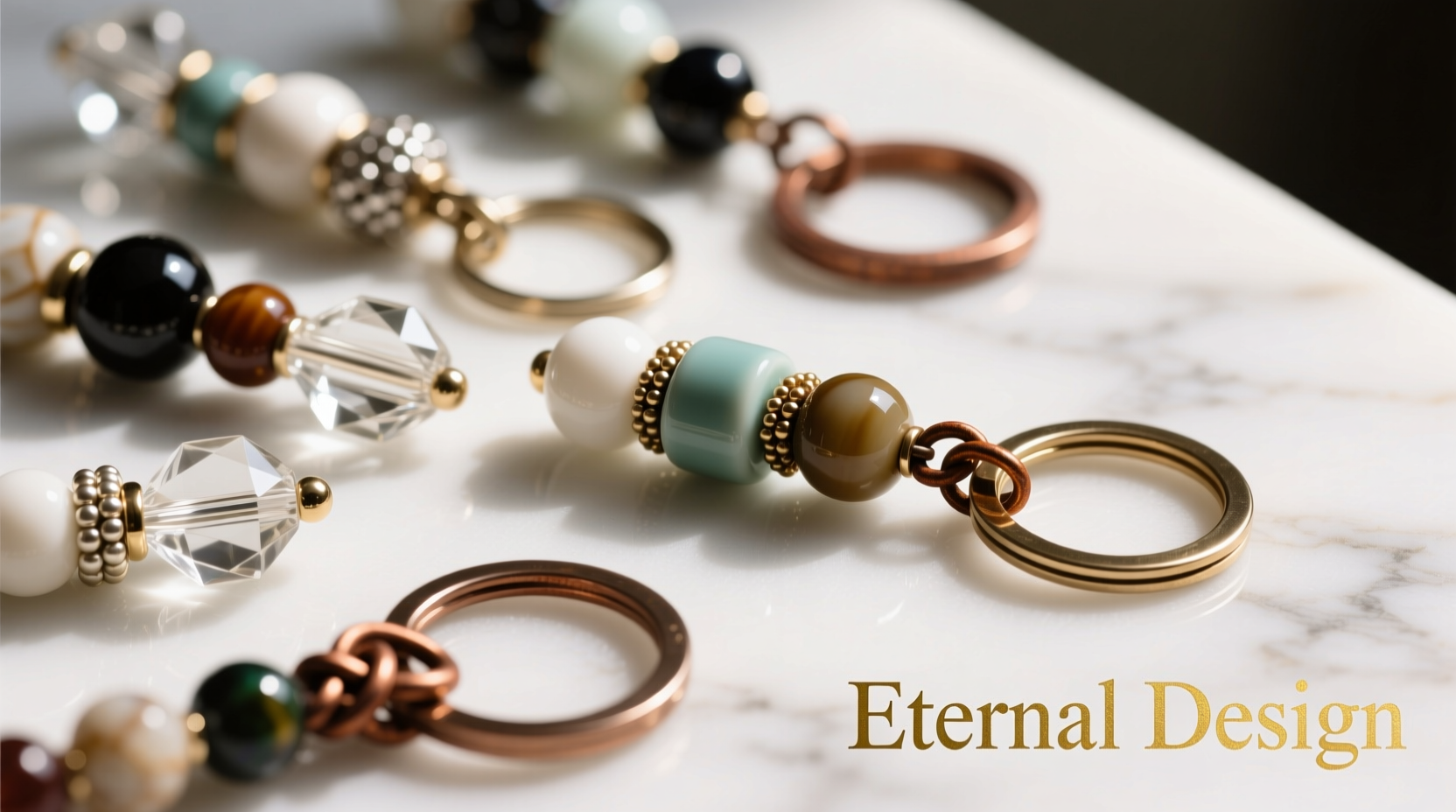
The foundation of any beaded keychain is, naturally, the beads themselves. Not all beads are created equal, and their composition directly affects longevity, appearance, and resistance to wear.
- Crystal beads (e.g., Swarovski): Known for exceptional clarity and brilliance, these offer unmatched sparkle and consistency in cut and color. Ideal for elegant designs.
- Glass beads: High-quality glass beads provide rich color saturation and smooth finishes. Avoid those with rough edges or inconsistent shapes.
- Acrylic/plastic beads: Lightweight and affordable, but prone to scratching and fading. Best suited for temporary or fashion-forward pieces rather than long-term use.
- Natural stone beads: Materials like lava stone, agate, or turquoise add organic beauty and texture. Ensure they are properly polished and sealed to resist moisture damage.
Evaluate Craftsmanship and Construction
A beautifully designed keychain can still fail quickly if poorly constructed. Durability depends on structural integrity at every junction: knots, crimps, clasps, and threading.
Examine how the beads are strung. Are the threads taut and evenly spaced? Loose strands suggest rushed assembly and may lead to premature unraveling. Key areas to inspect include:
- Knotting between beads: Especially in silk or nylon thread designs, small knots between beads prevent total loss if the string breaks.
- Crimp beads or wire guards: These secure ends and protect against fraying. Look for neatly flattened crimps—bulging or jagged ones indicate poor finishing.
- Clasp quality: The clasp should open and close smoothly and feel substantial. Flimsy metal or plastic clasps will wear out fast.
“Even the most stunning design fails if it can’t withstand daily use. A well-made keychain balances artistry with mechanical resilience.” — Lena Patel, Artisan Jewelry Designer
Material Quality vs. Cost: What’s Worth Paying For?
It's tempting to opt for inexpensive options, especially when browsing online marketplaces. However, low prices often correlate with compromised materials and labor practices.
| Feature | High-Quality Indicators | Red Flags |
|---|---|---|
| Bead Surface | Smooth, consistent finish; no chips or dull spots | Scratches, uneven coloring, visible mold lines |
| Thread/Chain | Sturdy nylon, stainless steel wire, or braided cord | Thin, fuzzy, or stretchy string |
| Weight | Solid feel without being overly heavy | Too light (plastic) or unbalanced |
| Color Retention | No fading after light exposure test (ask seller) | Fades within weeks under normal use |
| Price Range | $15–$50+ for artisan-crafted pieces | Under $5 with “premium” claims |
Step-by-Step Guide to Choosing Your Keychain
Selecting a high-quality beaded keychain doesn’t have to be overwhelming. Follow this practical process to make a confident decision:
- Define your purpose: Is it decorative, sentimental, or daily-use? Heavy usage demands stronger materials.
- Inspect bead uniformity: Roll the keychain gently; beads should align smoothly without gaps or wobbling.
- Test clasp function: Open and close it several times. It should snap securely without excessive force.
- Check for sharp edges: Run your finger along each bead and connector. There should be no snags.
- Assess symmetry and spacing: In patterned designs, colors and sizes should repeat accurately.
- Verify origin and maker: Handmade items from reputable artisans often come with care instructions and material disclosures.
- Ask about warranty or repair policy: Some creators offer restringing services—a sign of confidence in their work.
Real Example: The Festival Gift That Lasted Years
Sophie bought two beaded keychains at a summer festival—one from a local artisan stall, another from a mass-market vendor nearby. Both featured similar bohemian patterns using blue and white beads.
The first, priced at $28, used Czech glass beads, silk thread with micro-knots, and a sterling silver lobster clasp. Sophie used it daily on her house keys for three years. Despite occasional drops and exposure to rain, it remained intact and bright.
The second, costing $6, began shedding beads within six weeks. The elastic thread stretched, the plastic beads yellowed, and the clasp snapped during winter use. By month four, only half the beads remained.
This real-world comparison underscores that initial cost is less important than long-term value.
Essential Checklist Before You Buy
Before finalizing your purchase—whether in person or online—run through this checklist:
- ✅ Beads are free of chips, cracks, or rough surfaces
- ✅ Stringing material feels strong and non-stretchy
- ✅ Clasp operates smoothly and locks securely
- ✅ Design shows attention to detail (e.g., centered patterns, even spacing)
- ✅ Seller provides information about materials and origin
- ✅ Weight feels balanced and appropriate for the size
- ✅ Comes with care instructions or maintenance tips
Frequently Asked Questions
How do I clean a beaded keychain without damaging it?
Use a soft, damp cloth to wipe down the beads. Avoid submerging unless you know the thread and beads are waterproof. Never use alcohol-based cleaners, which can degrade adhesives and dull finishes.
Can I replace the clasp if it breaks?
Yes, many jewelers or craft stores can replace clasps, especially if the original thread is still intact. Consider choosing designs where the clasp is soldered or reinforced for longer life.
Are handmade keychains always better than machine-made ones?
Not automatically—but skilled artisans typically use higher-grade materials and pay closer attention to tension, alignment, and finishing. Look for evidence of care in construction, not just the label “handmade.”
Maintaining Beauty and Function Over Time
Even the finest keychain requires minimal upkeep to stay beautiful. Store it separately from other metal items to prevent scratches. Remove before swimming, showering, or applying lotions, as chemicals accelerate tarnishing and thread degradation.
For keychains with natural stones or porous beads, occasional conditioning with a dry jewelry cloth helps preserve luster. If stored long-term, lay flat in a fabric-lined box to avoid warping.
Final Thoughts: Choose Meaningfully, Wear Confidently
A high-quality beaded keychain combines visual charm with quiet strength. It survives jostling in pockets, exposure to elements, and the passage of time while retaining its character. By learning to assess materials, recognize craftsmanship, and prioritize lasting value over fleeting trends, you invest in accessories that tell stories—not just break apart.
Next time you browse for a beaded keychain, slow down. Touch it, examine it closely, ask questions. Let quality guide your choice as much as aesthetics do. The right piece won’t just decorate your keys—it will endure with them.




 浙公网安备
33010002000092号
浙公网安备
33010002000092号 浙B2-20120091-4
Comments
No comments yet. Why don't you start the discussion?