
Purchasing a leather keychain may seem like a simple decision—small, affordable, and often overlooked. But beneath its compact size lies a world of craftsmanship, material quality, and authenticity that separates genuine luxury from mass-produced imitations. With the rise of synthetic alternatives and misleading labeling, knowing how to distinguish real leather from faux has become essential. Whether you're buying for yourself or as a gift, understanding the subtle signs of authenticity empowers you to invest in durability, sustainability, and timeless style.
Understanding Leather: The Foundation of Authenticity
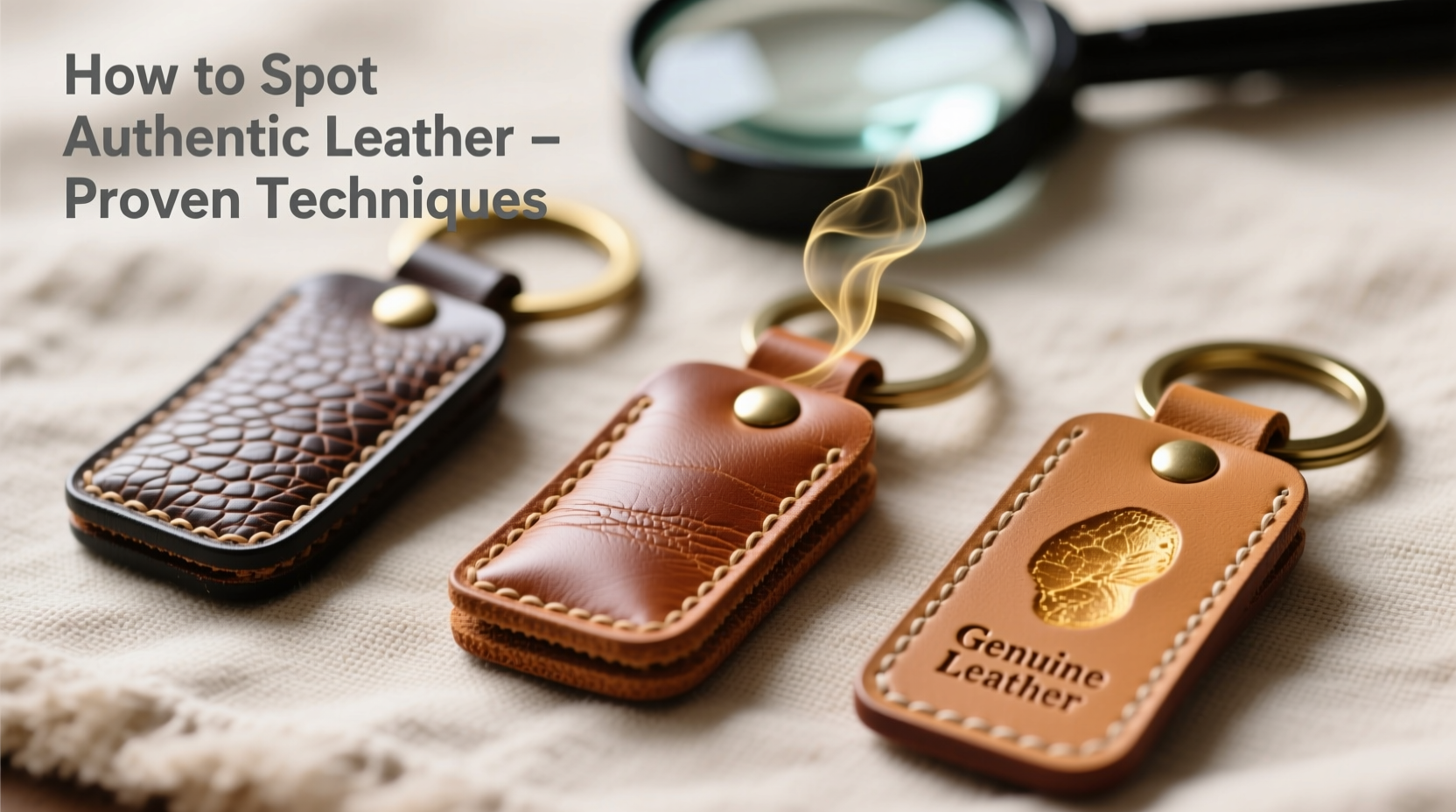
Not all leather is created equal. Before identifying whether a keychain is made from real leather, it’s crucial to understand the different types and grades available on the market. Genuine leather is derived from animal hides—typically cowhide, sheepskin, or goatskin—and undergoes tanning processes to preserve and soften the material. However, “genuine leather” as a label can be misleading; it refers to any real leather but often denotes lower-grade cuts with surface imperfections corrected through embossing or bonding.
Top-tier options include full-grain and top-grain leather. Full-grain retains the original texture and fibers, making it the most durable and natural form. Top-grain is sanded and refinished for a smoother look, slightly less robust but still high quality. In contrast, bonded leather is made from leftover scraps mixed with adhesives and pressed into sheets—it lacks longevity and breathability.
Faux or synthetic leather, such as PU (polyurethane) or PVC (polyvinyl chloride), mimics the appearance of real leather at a lower cost. While acceptable for some uses, these materials degrade faster, emit a plastic-like odor, and lack the patina development that characterizes true leather aging.
The Five Sensory Tests for Authenticity
Authentic leather reveals itself not just visually, but through multiple senses. Conducting a quick sensory evaluation allows you to assess quality on the spot, even without expert tools.
- Sight: Examine the surface under natural light. Real leather displays irregular grain patterns—no two areas are identical. Faux leather tends to have perfectly repeated textures, often with a glossy, plastic-like sheen.
- Touch: Run your fingers across the surface. Genuine leather feels soft yet firm, with slight variations in texture. It warms to body heat quickly. Synthetic versions feel cooler, smoother, and sometimes rubbery.
- Smell: Bring the keychain close and inhale gently. Authentic leather emits a rich, earthy aroma—a result of natural oils and tanning agents. Faux leather typically smells like chemicals or vinyl.
- Sound: Lightly flick or tap the surface. Real leather produces a muted, deep thud. Plastic-based imitations generate a sharper, hollow sound.
- Bend Test: Flex the item sharply. Real leather develops small wrinkles and rebounds slowly. Faux leather may crack prematurely or snap back rigidly.
Water Absorption: A Definitive Indicator
One of the most reliable tests involves moisture. Place a single drop of water on an inconspicuous area of the keychain. On genuine leather, the liquid will gradually soak in, darkening the surface within seconds. This happens because natural leather is porous. Faux leather repels water, causing droplets to bead up and roll off.
This test isn’t foolproof for sealed or waxed leathers, which may resist absorption temporarily, but it remains a strong indicator when combined with other observations.
Decoding Labels and Seller Transparency
Marketing terms can obscure reality. Phrases like “made with real leather,” “leather accents,” or “genuine Italian leather” require scrutiny. Always check product descriptions for specifics: Is the primary material full-grain? What part of the hide was used? Was vegetable or chrome tanning applied?
Reputable brands provide transparency about sourcing, tanning methods, and country of origin. Look for certifications such as LWG (Leather Working Group), which audits environmental performance in leather production. Handmade or artisan labels often indicate greater care and traceability.
| Term | What It Means | Caution Level |
|---|---|---|
| Full-Grain Leather | Highest quality, unaltered surface | Low – Trustworthy |
| Top-Grain Leather | Sanded and finished layer | Medium – Quality varies |
| Genuine Leather | Real leather, often lower grade | High – May be bonded |
| Bonded Leather | Shredded leather + glue | Very High – Avoid if long-term use expected |
| Faux/PU/PVC Leather | Synthetic imitation | High – Not biodegradable |
“Transparency in material sourcing is no longer a luxury—it's a necessity for conscious consumers.” — Daniel Ruiz, Sustainable Accessory Designer
Step-by-Step Guide: How to Evaluate a Leather Keychain Before Buying
Follow this practical sequence when shopping online or in-store to ensure confidence in your purchase:
- Inspect Product Photos Closely: Zoom in on texture. Are grain patterns consistent or too perfect? Check for visible stitching quality and edge finishing.
- Read the Description Thoroughly: Identify the exact type of leather. Avoid vague language. Look for details like “vegetable-tanned calf leather” rather than “premium leather.”
- Contact the Seller: Ask direct questions: “Is this full-grain?” “Where is it sourced?” “How is it finished?” Reputable sellers respond promptly and honestly.
- Check Return Policy: Ensure you can return the item if it doesn’t meet expectations upon arrival. This allows room for sensory testing.
- Perform Physical Tests Upon Arrival: Use the water drop method, smell test, and flexibility check within the return window.
Mini Case Study: A Buyer’s Wake-Up Call
Sarah purchased a $25 “handcrafted leather keychain” from an online marketplace. The photos looked rustic and appealing, and the seller claimed it was “natural cowhide.” When it arrived, she noticed something off—the surface had a uniform grid pattern, common in embossed synthetics. She performed the water test: the droplet sat on top for over a minute. She then held it near a warm lamp; within minutes, a faint plastic odor emerged. After contacting the seller, they admitted it was PU leather. Sarah returned the item and later bought one from a verified artisan brand using vegetable-tanned leather. The difference in weight, scent, and texture was immediate. Her experience taught her that price and presentation aren’t substitutes for verification.
Essential Checklist for Confident Purchases
- ✅ Confirm the specific type of leather used (e.g., full-grain, top-grain)
- ✅ Verify porosity with a water drop test
- ✅ Smell for natural, earthy notes—not chemical odors
- ✅ Feel for natural grain variation and warmth
- ✅ Examine stitching: tight, even, and reinforced at stress points
- ✅ Review return policy and warranty information
- ✅ Research the brand’s reputation and customer reviews
Frequently Asked Questions
Can a leather keychain be both affordable and authentic?
Yes. While premium full-grain pieces command higher prices, many artisans offer smaller items like keychains using offcuts or lower-cost hides. These remain 100% real leather and age beautifully. Look for brands that specialize in minimalist accessories—they often prioritize material honesty over markup.
Does genuine leather peel over time?
No—peeling is a sign of synthetic coating or bonded leather. Authentic leather may scuff or develop a patina, but it won’t flake or delaminate. If your keychain starts peeling within months, it likely wasn’t pure leather.
Are there eco-friendly leather options?
Absolutely. Vegetable-tanned leather uses natural tannins from tree bark instead of chromium salts, reducing environmental impact. Some brands also use byproduct hides from the food industry, minimizing waste. Certifications like OEKO-TEX or LWG help identify sustainable practices.
Final Thoughts: Invest in Integrity, Not Just Style
A leather keychain is more than a functional tool—it’s a daily companion that reflects personal taste and values. By learning to recognize authenticity, you protect yourself from deceptive marketing and support ethical craftsmanship. Each scratch and fade on a real leather piece tells a story, evolving with you over time. That kind of character cannot be replicated by plastic pretending to be leather.




 浙公网安备
33010002000092号
浙公网安备
33010002000092号 浙B2-20120091-4
Comments
No comments yet. Why don't you start the discussion?