
In the vibrant world of collectible toys, few franchises have captured imaginations quite like Plants vs Zombies. With their quirky characters, bold designs, and nostalgic appeal, official merchandise has become highly sought after by fans and collectors alike. However, as demand rises, so does the prevalence of counterfeit products. These knockoffs often mimic packaging and design but fall short in safety, durability, and detail. For parents, gift-givers, and collectors, distinguishing real from fake is essential—not just for value, but for peace of mind.
This comprehensive guide equips you with practical knowledge to identify genuine Plants vs Zombies toys. From inspecting packaging to verifying licensing details, we’ll walk through the key indicators that separate authentic items from imitations.
Understand the Official Licensing and Manufacturers
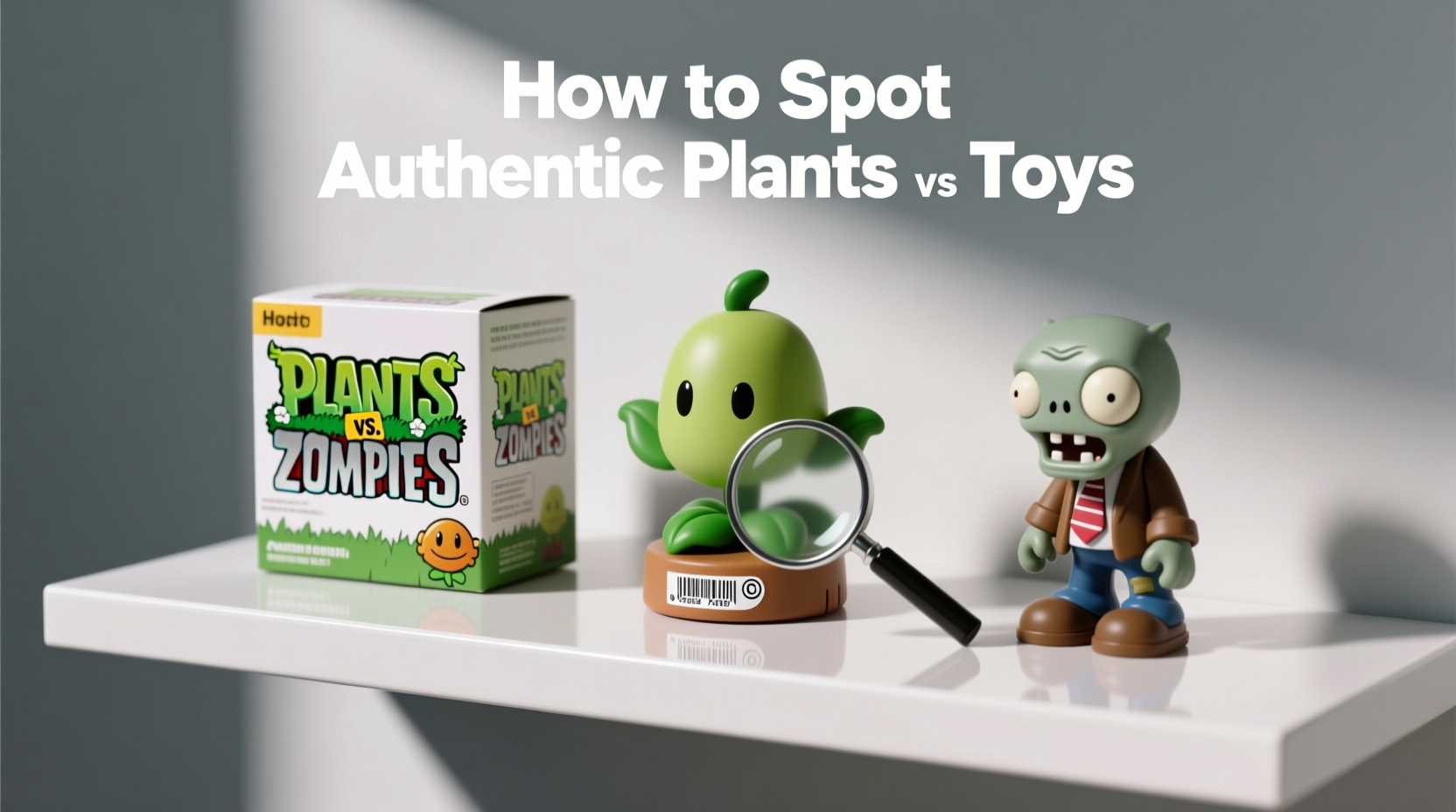
The first step in identifying authentic Plants vs Zombies merchandise is knowing who produces it. The franchise is owned by Electronic Arts (EA), and official toys are typically licensed through major manufacturers such as Hasbro, Funko, or JAKKS Pacific. These companies adhere to strict production standards, including material safety certifications and consistent branding.
If a toy doesn’t list a known manufacturer on the packaging or includes a vague company name—such as “ToysWorld” or “FunPlay Inc.”—that’s a red flag. Authentic items will clearly state the manufacturer, country of origin, and compliance with safety regulations like ASTM F963 (U.S.) or EN71 (Europe).
“Licensed merchandise undergoes rigorous testing and quality control. When in doubt, trace the product back to its manufacturer.” — David Lin, Toy Industry Analyst at MarketEdge Insights
Inspect Packaging for Signs of Authenticity
Packaging is one of the most reliable ways to detect counterfeits. Genuine Plants vs Zombies toys come in professionally printed boxes with crisp graphics, accurate colors, and precise alignment. Look for these specific features:
- Barcode and SKU: Every authentic item has a unique barcode and stock-keeping unit (SKU) number. You can verify these using online retail databases or scanning apps like Barcode Scanner.
- Copyright Notice: Legitimate packaging includes a copyright line such as “© EA/PopCap. All Rights Reserved.” Absence of this notice is a strong indicator of a fake.
- Holographic or Security Labels: Some high-end releases include tamper-evident seals or holograms. Counterfeiters rarely replicate these accurately.
- Spelling and Grammar: Poor English, misspelled words (e.g., “Zombeis”), or awkward phrasing suggest unauthorized production.
Examine Product Details and Build Quality
Authentic Plants vs Zombies figures and playsets are made with durable plastics, vibrant paint applications, and fine sculpting. Counterfeits often use cheaper materials that feel lightweight, brittle, or overly glossy.
Here’s what to check on the toy itself:
- Paint Accuracy: Characters like Peashooter or Zombie Chef have distinct color schemes. Authentic toys match the official palette exactly. Watch for uneven paint, smudging, or incorrect colors (e.g., purple sunflowers).
- Sculpt Definition: Details like leaf veins on plants or stitching on zombie uniforms should be sharp. Fakes often have blurred or missing textures.
- Joint Stability: Action figures should move smoothly without falling apart. Loose limbs or cracked connectors indicate poor manufacturing.
- Weight and Feel: Genuine toys have substantial heft. If a figure feels flimsy or hollow, it’s likely a knockoff.
Comparison Table: Authentic vs. Counterfeit Traits
| Feature | Authentic Toy | Counterfeit Toy |
|---|---|---|
| Packaging Print | Sharp, full-color, no pixelation | Blurred, faded, or misaligned |
| Logo Quality | Clean, embossed or foil-stamped | Flat, off-center, or poorly printed |
| Material | Durable ABS plastic, smooth finish | Thin, brittle plastic with rough edges |
| Manufacturer Info | Clear listing (e.g., Hasbro, Funko) | Missing, generic, or fictional |
| Price Point | $9.99–$29.99 (depending on size) | Suspiciously low (e.g., $3–$5) |
Where You Buy Matters: Trusted Retail Channels
Your purchase location significantly impacts the likelihood of receiving an authentic product. Stick to reputable sellers whenever possible.
Authorized retailers include:
- Major brick-and-mortar stores (Target, Walmart, Toys \"R\" Us)
- Official online marketplaces (Amazon, Best Buy, GameStop)
- Direct from manufacturer sites (Funko.com, HasbroToyShop.com)
Avoid third-party sellers on platforms like eBay or AliExpress unless they have a proven track record, verified seller status, and detailed return policies. Even then, exercise caution—many counterfeit toys are sold alongside real ones under misleading titles.
Real Example: A Collector’s Close Call
Jamie, a longtime Plants vs Zombies fan, found a “limited edition” Gargantuar figure online for $7—far below the market price of $25. Excited by the deal, she ordered it. When it arrived, the box had a crooked logo, the barcode didn’t scan, and the figure’s arms snapped off when posed. After contacting PopCap’s support team, she learned the item was unlicensed. She later discovered the seller had used stolen product images from a real retailer. Jamie now checks every purchase against the manufacturer’s website and only buys from vetted sellers.
Step-by-Step Verification Checklist
Before finalizing any purchase, follow this checklist to confirm authenticity:
- Check the Manufacturer: Is it Hasbro, Funko, or another known licensee?
- Scan the Barcode: Use a smartphone app to verify it matches the product online.
- Review Packaging Details: Look for copyright info, safety labels, and professional printing.
- Compare Online: Find the same item on an official retailer site and compare visuals.
- Assess Price: If it seems too good to be true, it probably is.
- Inspect Upon Arrival: Check for paint flaws, weak joints, or odd smells (a sign of low-grade plastic).
Frequently Asked Questions
Are all cheap Plants vs Zombies toys fake?
Not necessarily. Clearance items or older stock may be discounted. However, prices below $5 for standard figures are highly suspicious. Always verify other authenticity markers even if the price seems reasonable.
Can I return a counterfeit toy if I bought it online?
Yes, most major platforms like Amazon offer return windows for inauthentic items. Report the product to the platform and request a refund. Keep photos and packaging as evidence.
Do authentic toys have serial numbers?
Some collector editions do, especially limited runs from Funko. Standard figures usually don’t, but they still carry barcodes and manufacturer identifiers. Serial numbers, when present, should match those listed in official product databases.
Final Thoughts: Protect Your Purchase and Passion
Authentic Plants vs Zombies toys are more than playthings—they’re well-crafted collectibles that reflect the creativity and humor of the franchise. By learning to spot the subtle signs of counterfeits, you protect not only your investment but also the experience of fans young and old. Whether you're buying for a child, adding to a collection, or gifting to a fellow enthusiast, taking a few extra moments to verify authenticity pays off in quality and confidence.




 浙公网安备
33010002000092号
浙公网安备
33010002000092号 浙B2-20120091-4
Comments
No comments yet. Why don't you start the discussion?