
Hiking shoes are your most critical piece of gear on the trail. They support your feet, protect you from terrain hazards, and help maintain balance over uneven ground. But like all equipment, they degrade over time. Worn-out shoes compromise comfort, stability, and safety—increasing the risk of slips, blisters, and even long-term foot or joint issues. Recognizing when your hiking footwear has reached the end of its life isn’t always obvious. Unlike a torn jacket or broken zipper, shoe wear is often subtle until it’s too late. This guide walks you through the key indicators that it’s time to retire your current pair and invest in a new one.
Key Signs Your Hiking Shoes Are Worn Out
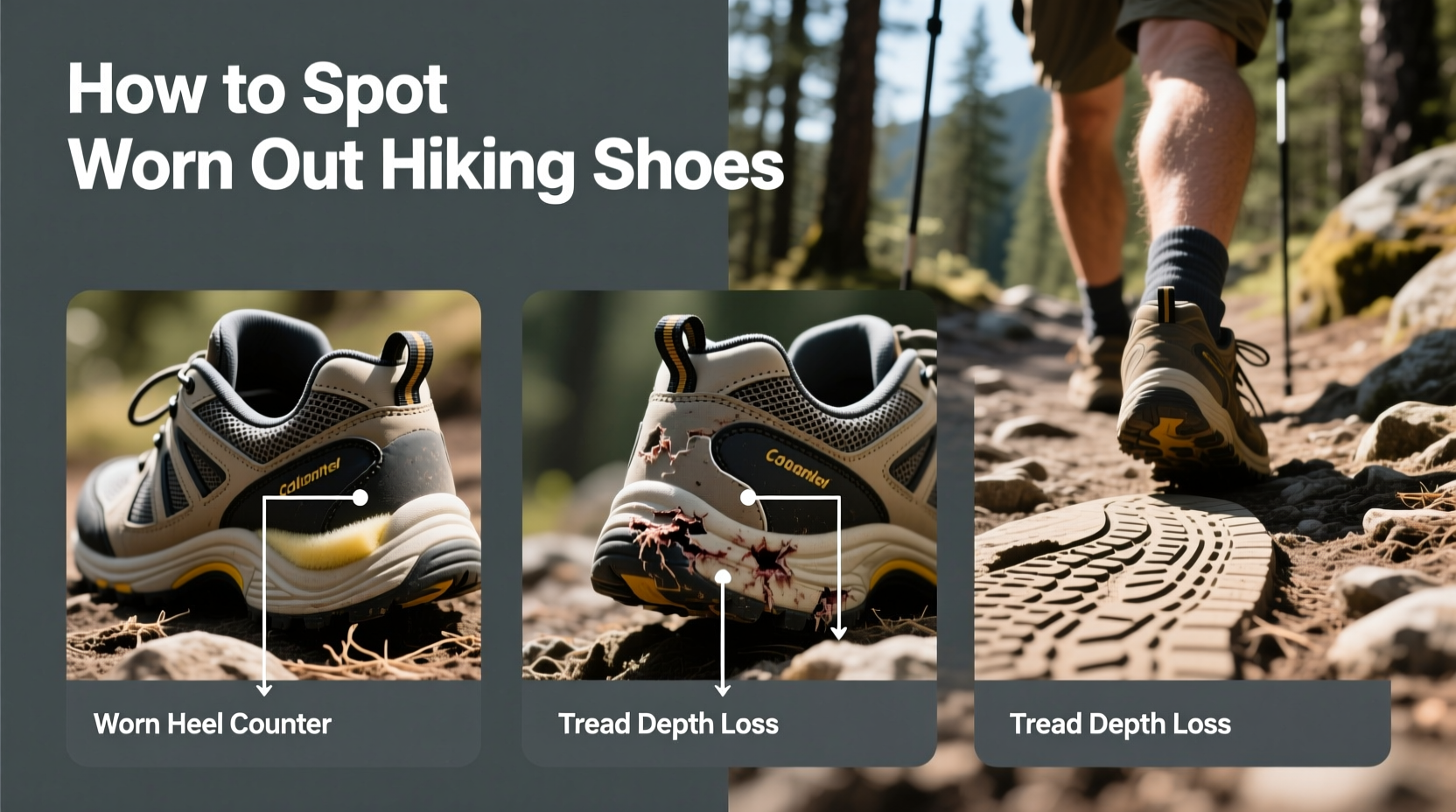
The lifespan of hiking shoes depends on usage, terrain, care, and construction quality. Most last between 300 and 500 miles, but some fail earlier due to poor maintenance or aggressive trails. The first step in determining wear is visual and tactile inspection. Look closely at the following areas:
- Sole tread depth: If the lugs (the raised rubber patterns) are smooth or nearly flat, especially under the ball of the foot or heel, traction is significantly reduced.
- Midsole compression: Press your thumb into the midsole near the arch. If it feels hard, flat, or lacks resilience, cushioning is gone.
- Upper material damage: Check for tears, delamination, or stretched fabric that no longer holds your foot securely.
- Outsole separation: Inspect where the sole meets the upper. Any visible gap or lifting means structural failure.
- Insole condition: Remove the insole and look for permanent indentations or breakdown of foam layers.
Assessing Traction and Stability
Traction is essential for preventing falls on wet rocks, loose gravel, or steep inclines. As the outsole wears down, grip diminishes. A simple way to evaluate this is by comparing your current shoes to a new pair of the same model, if possible. Alternatively, recall how confidently you moved on slippery surfaces six months ago versus now.
Stability goes hand-in-hand with support. When the midsole collapses or the heel counter softens, your ankle receives less protection during side-to-side movements. This can lead to rolling injuries, especially when carrying a heavy pack. If you find yourself adjusting your stride unnaturally or feeling unbalanced on familiar trails, your shoes may no longer provide adequate support.
“Footwear doesn’t just wear out on the bottom—it degrades internally. Once the energy return and shock absorption drop below 70%, performance suffers significantly.” — Dr. Lena Torres, Podiatrist & Outdoor Sports Medicine Specialist
Common Wear Patterns and What They Mean
Different hiking styles and terrains produce distinct wear patterns. Understanding these can help diagnose specific issues before total failure occurs.
| Wear Pattern | Possible Cause | Action Required |
|---|---|---|
| Excessive heel wear | Heel-striking on descents or downhill hiking | Monitor midsole compression; consider gait adjustments |
| Bald spots under forefoot | Aggressive uphill climbing or rocky terrain | Check for loss of propulsion efficiency |
| Cracks in outsole rubber | Aging, UV exposure, or chemical contact | Replace immediately—risk of sudden sole detachment |
| Delamination of midsole layers | Moisture ingress or manufacturing defect | Retire shoes even if exterior looks intact |
| Loose fit despite lacing | Foam degradation or upper stretching | Lack of lockdown increases blister risk |
Step-by-Step Guide to Evaluating Shoe Condition
Conduct a thorough assessment every 100 miles or seasonally if you hike less frequently. Follow this timeline to stay ahead of failure:
- After every 25–50 miles: Clean shoes thoroughly and inspect for surface cracks, loose stitching, or embedded debris.
- At 150–200 miles: Evaluate cushioning by walking on hard surfaces. Note any increase in foot fatigue or joint discomfort.
- At 300 miles: Perform a full diagnostic—check tread depth, twist resistance, and insole shape. Compare to manufacturer specs.
- At 400+ miles: Begin preparing for replacement. Limit use to easy trails only if still functional.
- When approaching 500 miles: Retire unless condition is exceptional (e.g., lightweight use on dry, flat terrain).
Real Example: A Weekend Hiker’s Wake-Up Call
Mark, an avid weekend hiker in the Pacific Northwest, had logged nearly 450 miles on his trail runners over two years. He noticed increasing knee pain on descents but assumed it was age-related. During a moderate 8-mile loop, he slipped on a mossy rock near a stream crossing—something that hadn’t happened before. After examining his shoes, he discovered the forefoot lugs were completely worn down, and the midsole had compressed unevenly. Despite the uppers looking fine, the lack of cushioning and grip caused instability. He replaced them immediately and reported not only improved traction but also reduced joint strain within weeks.
This case highlights how internal degradation can go unnoticed until performance falters. Pain, fatigue, or unexpected slips are often symptoms—not causes—of worn footwear.
Do’s and Don’ts of Hiking Shoe Maintenance
Proper care extends shoe life and makes wear easier to detect. Avoid practices that accelerate deterioration.
| Do’s | Don’ts |
|---|---|
| Clean with mild soap and water after muddy hikes | Machine wash or dry near heat sources |
| Rotate between two pairs to allow drying and recovery | Store damp or in direct sunlight |
| Use waterproofing treatments suited to the material (e.g., Nikwax) | Apply silicone sprays or generic conditioners |
| Replace insoles every 200–300 miles for added comfort | Ignore persistent odor—a sign of bacterial buildup and material breakdown |
Frequently Asked Questions
Can I resole my hiking shoes?
Some leather hiking boots can be resoled professionally, particularly models with stitched soles (e.g., Vibram). However, most modern trail runners and synthetic hiking shoes have cemented construction, making resoling impractical or cost-prohibitive. Always consult the manufacturer’s guidelines before pursuing repair.
Is it dangerous to keep using worn-out hiking shoes?
Yes. Beyond discomfort, degraded shoes increase the risk of injury. Loss of traction can cause slips on steep or wet terrain, while collapsed cushioning leads to foot, knee, or back pain. In remote areas, a twisted ankle due to poor support could turn a day hike into an emergency evacuation.
How do I know if my insoles need replacing?
If the insole shows deep creases, permanent foot imprints, or feels thin and crunchy, it’s time for a new one. Many hikers extend shoe life by installing aftermarket orthotics or high-density foam insoles tailored to their arch type.
Final Checklist: Is It Time to Replace Your Hiking Shoes?
Answer the following questions honestly. If you answer “yes” to three or more, replacement is recommended:
- Has the shoe exceeded 500 miles of use?
- Is the tread visibly smooth or uneven?
- Does the midsole feel hard or flattened?
- Have you experienced more blisters or hot spots recently?
- Do your feet tire faster than before?
- Is there any separation between the upper and sole?
- Are you compensating for instability with altered posture?
Conclusion: Protect Your Journey, One Step at a Time
Your hiking shoes carry you through forests, over ridgelines, and across rivers. They deserve attention before they fail. Waiting until they fall apart mid-trail risks more than discomfort—it risks safety. By learning to read the signs of wear, maintaining your gear, and replacing it proactively, you ensure every hike remains enjoyable, efficient, and secure. Don’t let worn footwear undermine your adventures. Assess your current pair today, and if needed, take the next step toward better-supported trails.




 浙公网安备
33010002000092号
浙公网安备
33010002000092号 浙B2-20120091-4
Comments
No comments yet. Why don't you start the discussion?