
Losing weight doesn’t require extreme diets or miracle supplements. The foundation of effective, lasting weight loss is a consistent caloric deficit—consuming fewer calories than your body burns. But doing it sustainably means more than just counting numbers. It requires understanding your body’s needs, making informed food choices, and building habits that last. This guide walks you through a realistic, science-backed approach to starting a caloric deficit diet without sacrificing health or long-term results.
Understanding the Caloric Deficit Principle
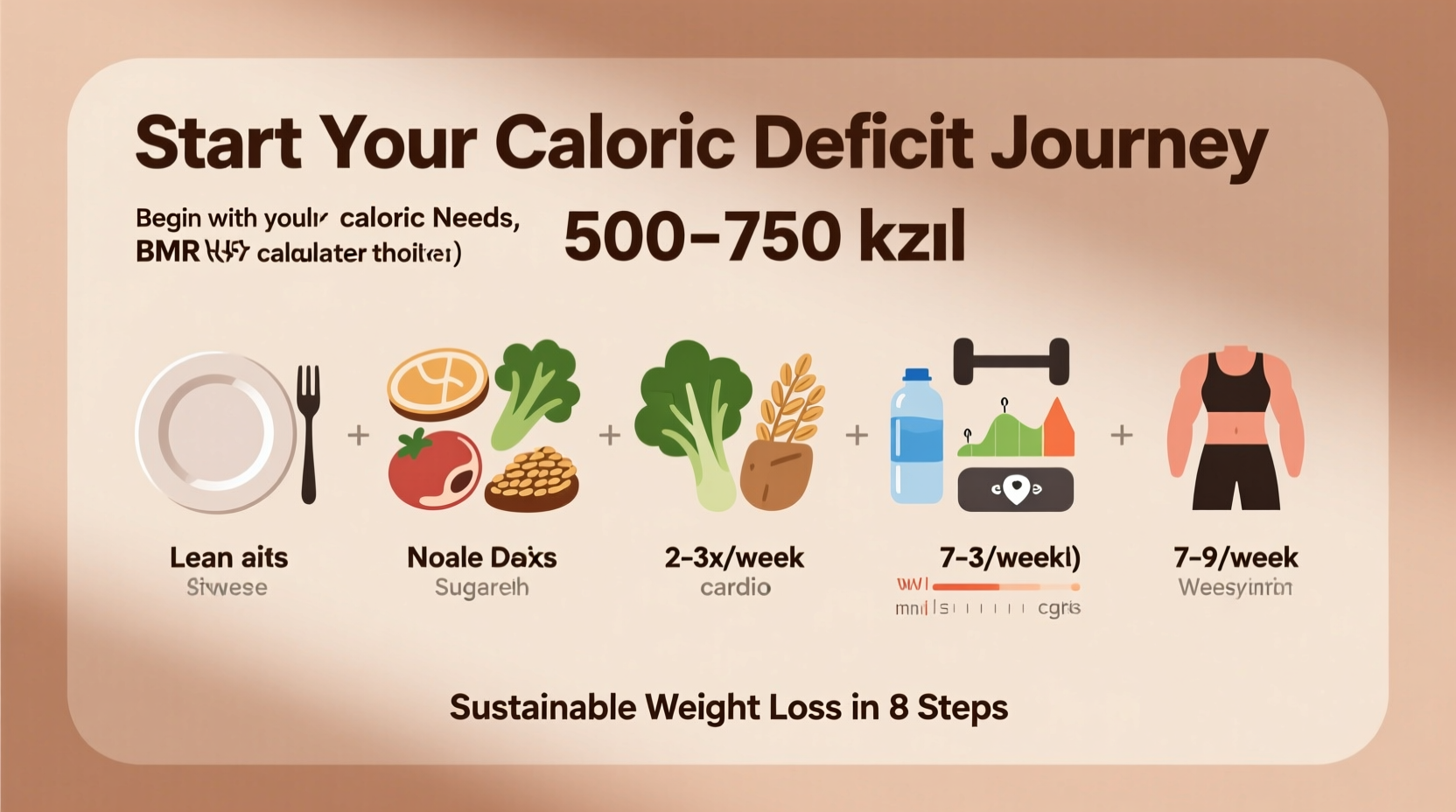
A caloric deficit occurs when you consume fewer calories than your body uses for energy. This gap forces your body to tap into stored fat for fuel, leading to weight loss over time. While the concept is simple, the execution must be balanced. Too steep a deficit can lead to muscle loss, fatigue, and metabolic slowdown. The goal is not speed—it’s consistency and sustainability.
The general rule: a deficit of 500–750 calories per day leads to a safe weight loss of about 1–1.5 pounds per week. Larger deficits may yield faster results initially but are harder to maintain and increase the risk of nutrient deficiencies and rebound weight gain.
“Sustainable weight loss isn’t about how fast you lose, but how well you maintain. A moderate deficit with behavioral changes wins every time.” — Dr. Lena Patel, Registered Dietitian and Obesity Specialist
Step-by-Step Plan to Begin Your Caloric Deficit
Step 1: Calculate Your Maintenance Calories
Your starting point is knowing how many calories your body needs to maintain its current weight. Use an online Total Daily Energy Expenditure (TDEE) calculator, which factors in your age, gender, weight, height, and activity level.
For example, a 35-year-old woman who weighs 160 lbs, is 5'6\", and exercises moderately three times a week might have a maintenance level of around 2,100 calories per day.
Step 2: Set a Realistic Deficit
Subtract 500 calories from your maintenance level to begin. Using the example above: 2,100 – 500 = 1,600 calories per day. This creates a weekly deficit of about 3,500 calories—the equivalent of roughly one pound of fat.
Avoid dropping below 1,200 calories for women or 1,500 for men unless under medical supervision. Very low intake can impair metabolism, hormone balance, and mental focus.
Step 3: Track Your Intake Accurately
Use a food tracking app like MyFitnessPal, Cronometer, or LoseIt to log everything you eat. Portion sizes matter—even healthy foods contain calories. Weighing and measuring portions for at least two weeks builds awareness and accuracy.
Step 4: Prioritize Nutrient-Dense Foods
A deficit should not mean deprivation. Focus on whole, unprocessed foods rich in protein, fiber, and healthy fats. These keep you full longer and support muscle retention.
- Protein: Chicken, fish, eggs, Greek yogurt, tofu, legumes
- Fiber: Vegetables, fruits, oats, quinoa, beans
- Fats: Avocado, nuts, seeds, olive oil (in moderation)
Step 5: Adjust Based on Progress
Weigh yourself weekly under consistent conditions (e.g., same time, same scale). If you're losing 1–2 pounds per week, you’re on track. If not, recheck portion sizes or slightly reduce intake by another 100–200 calories. If losing too fast (>2 lbs/week), increase calories slightly to avoid muscle loss.
Common Pitfalls and How to Avoid Them
Many people fail not because they lack willpower, but because they overlook key behavioral and physiological factors. Here’s what to watch for:
| Pitfall | Why It Happens | How to Fix It |
|---|---|---|
| Underestimating calorie intake | Guessing portions, forgetting condiments, drinks | Use a food scale and log everything—including oil and sauces |
| Overestimating activity burn | Exercise trackers often overstate calories burned | Don’t “eat back” exercise calories; treat movement as a bonus |
| Skipping protein | Focus only on cutting calories, not quality | Aim for 0.7–1g of protein per pound of body weight daily |
| Binge-restrict cycles | Too strict → cravings → overeating → guilt | Allow flexibility; include favorite foods in moderation |
Real-Life Example: Maria’s Sustainable Journey
Maria, 42, wanted to lose 25 pounds after years of yo-yo dieting. She started by calculating her TDEE at 2,200 calories. Instead of jumping into a 1,200-calorie crash diet, she opted for a 1,700-calorie target—a 500-calorie deficit.
She replaced sugary breakfasts with Greek yogurt and berries, added a protein-rich snack mid-afternoon, and prepped dinners with lean meat and vegetables. She tracked intake for six weeks, adjusted based on progress, and incorporated walking three times a week.
After five months, Maria lost 22 pounds—slowly but steadily. More importantly, she kept the weight off because the changes felt manageable. “I didn’t feel deprived,” she said. “I learned how much I actually needed to eat, not less, but better.”
Actionable Checklist: Starting Your Caloric Deficit
Follow this checklist to ensure a strong, sustainable start:
- Calculate your TDEE using a reliable calculator
- Set a daily calorie target 500 below maintenance
- Choose a food tracking app and commit to logging for 30 days
- Plan meals around whole foods—especially protein and fiber
- Invest in a kitchen scale for accurate portion control
- Weigh yourself once a week at the same time
- Review progress every two weeks and adjust if needed
- Include strength training 2–3 times per week to preserve muscle
- Stay hydrated—aim for at least 8 cups of water daily
- Allow one flexible meal per week to prevent feelings of restriction
Frequently Asked Questions
Can I lose weight without counting calories?
Yes, but it’s less precise. You can create a deficit by focusing on portion control, eating more whole foods, reducing processed snacks, and stopping at satiety. However, tracking initially helps build awareness and ensures you’re actually in a deficit.
What if my weight loss stalls after a few weeks?
This is normal. As you lose weight, your maintenance calories decrease. Recalculate your TDEE based on your new weight and adjust your intake accordingly. Also, review sleep, stress, and hydration—these impact metabolism and appetite.
Is exercise necessary for a caloric deficit?
No, weight loss happens primarily through diet. But exercise enhances results by increasing calorie burn, preserving muscle, and improving insulin sensitivity. Even daily walks make a difference over time.
Building a Lifestyle, Not a Temporary Fix
A caloric deficit is a tool, not a permanent state. The ultimate goal is to transition into a balanced eating pattern that maintains your desired weight. After reaching your target, slowly increase calories by 100–200 per week while monitoring weight. This helps find your new maintenance level without overshooting.
Sustainability comes from flexibility. Diets that allow occasional treats, social meals, and life’s unpredictability are the ones people stick with. Perfection isn’t required—consistency is.
Final Thoughts: Take Control With Confidence
Starting a caloric deficit doesn’t mean embarking on a punishing regimen. It means making informed decisions grounded in science and self-awareness. By following a structured yet flexible plan, you build knowledge, confidence, and habits that extend far beyond weight loss.
You don’t need perfection. You need persistence. Begin where you are, use the tools available, and trust the process. Small, consistent actions compound into lasting change.




 浙公网安备
33010002000092号
浙公网安备
33010002000092号 浙B2-20120091-4
Comments
No comments yet. Why don't you start the discussion?