
Cats scratch for reasons deeply rooted in their biology—they stretch muscles, shed claw sheaths, mark territory, and relieve stress. While scratching is natural, it doesn’t have to come at the expense of your sofa or armchair. The key isn’t to eliminate the behavior, but to redirect it. With patience, consistency, and the right tools, you can train your cat to use appropriate surfaces instead of your furniture. This guide provides actionable, veterinarian-approved methods to protect your home while respecting your cat’s instincts.
Understanding Why Cats Scratch
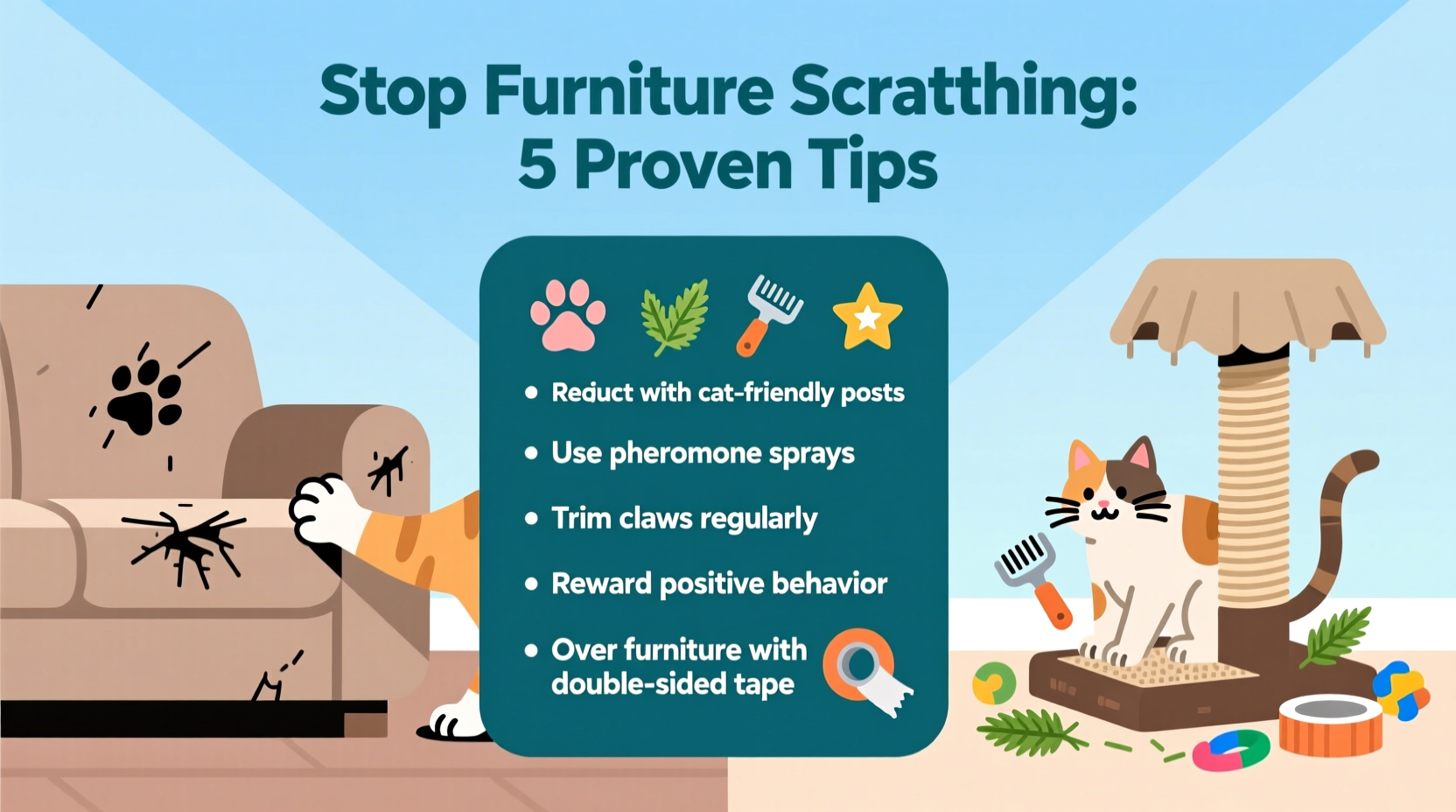
Before addressing how to stop unwanted scratching, it's essential to understand why cats do it. Scratching serves multiple purposes:
- Muscle stretching: Cats flex their spine, shoulders, and paws when they scratch.
- Claw maintenance: Scratching removes dead outer layers of claws.
- Scent marking: Paw pads contain scent glands; scratching leaves both visual and olfactory signals.
- Stress relief: Scratching can be a calming ritual during transitions or anxiety.
- Play and exploration: Kittens often scratch during play as part of learning.
Attempting to suppress this instinct entirely leads to frustration and behavioral issues. Instead, the goal is to provide appealing alternatives and discourage inappropriate targets.
Create Attractive Alternatives to Furniture
The most effective way to stop furniture damage is to offer something better. A poorly placed or flimsy scratching post won’t compete with a sturdy couch corner. Consider these factors when selecting and positioning scratching options:
- Height and stability: Choose posts tall enough for full-body stretches (minimum 30 inches) and ensure they don’t wobble.
- Texture: Most cats prefer vertical sisal rope, corrugated cardboard, or natural wood. Carpet-covered posts are less durable and may encourage carpet scratching elsewhere.
- Location: Place scratchers near areas where your cat already scratches—by the couch, bedroom door, or favorite napping spot.
- Variety: Offer horizontal, vertical, and angled surfaces to match your cat’s preference.
Once installed, make them irresistible. Rub them with catnip, attach dangling toys, or reward your cat with treats when they use the post.
Step-by-Step Guide: Introducing a New Scratching Post
- Place the new scratcher near the furniture your cat currently uses.
- Sprinkle catnip or use a pheromone spray like Feliway to attract interest.
- Encourage interaction by gently guiding your cat’s paws across the surface.
- Reward any contact—even sniffing—with praise or a treat.
- Gradually phase out rewards as use becomes consistent.
- After several weeks, if usage is reliable, slowly relocate the post to a more convenient spot.
This process can take days to weeks depending on your cat’s temperament. Patience is critical.
Discourage Scratching on Furniture
While offering alternatives is key, making undesirable surfaces less appealing supports long-term success. Use temporary deterrents that don’t harm your cat but disrupt the habit.
| Deterrent Method | How It Works | Effectiveness | Duration of Use |
|---|---|---|---|
| Double-sided tape | Unpleasant sticky texture under paws | High | 2–4 weeks |
| Aluminum foil | Noisy and crinkly; most cats dislike it | Moderate | Short-term |
| Plastic slipcovers | Smooth surface prevents grip | High | Until habit changes |
| Citrus sprays (non-toxic) | Strong scent deters cats | Moderate | Regular reapplication |
| ScatMat® or motion-activated devices | Startles with sound or air puff | High | 2–6 weeks |
Avoid punitive measures like yelling, spraying water, or using shock mats. These create fear-based associations and may shift destructive behaviors elsewhere without solving the root issue.
Expert Insight: What Veterinarians Recommend
Dr. Lena Patel, DVM, and feline behavior specialist, emphasizes that environmental enrichment plays a major role in reducing unwanted scratching:
“Scratching is normal, but excessive or destructive scratching often points to boredom or stress. Enrichment—vertical space, interactive toys, routine play sessions—reduces the need to self-soothe through scratching.” — Dr. Lena Patel, DVM, Feline Behavior Consultant
She recommends dedicating at least 15 minutes twice daily to structured play using wand toys that mimic prey movements. This satisfies hunting instincts and reduces compulsive behaviors.
Mini Case Study: Redirecting Bella’s Couch Habit
Bella, a 3-year-old domestic shorthair, had shredded the arm of her owner’s leather loveseat within six months of adoption. Despite repeated attempts to shoo her away, the behavior persisted. Her owner consulted a certified cat behaviorist who recommended a three-pronged approach:
- Install a 36-inch sisal-wrapped post directly beside the couch.
- Cover the damaged arm with a tightly fitted plastic slipcover.
- Initiate two daily play sessions with a feather wand followed by treat rewards.
Within three weeks, Bella began using the post regularly. By week six, the slipcover was removed, and no further damage occurred. The combination of redirection, deterrence, and mental stimulation proved more effective than punishment ever could.
Essential Checklist for Success
To effectively stop your cat from scratching furniture, follow this practical checklist:
- ✅ Identify your cat’s preferred scratching surfaces and directions (vertical vs. horizontal).
- ✅ Purchase at least one sturdy, appropriately textured scratching post or pad.
- ✅ Position scratchers in high-traffic or rest areas (near sleeping spots, entryways).
- ✅ Use catnip, toys, or treats to encourage initial use.
- ✅ Apply non-harmful deterrents (tape, foil, slipcovers) to targeted furniture.
- ✅ Engage in daily interactive play to reduce stress and excess energy.
- ✅ Trim front claws every 2–3 weeks to minimize damage.
- ✅ Monitor progress and adjust strategy if needed—consistency is crucial.
Remember, one scratching post may not be enough. Multi-cat households often require multiple stations to prevent competition.
Frequently Asked Questions
Can I trim my cat’s claws to reduce damage?
Yes. Regular nail trims every 2–3 weeks significantly reduce the severity of scratching damage. Only trim the clear tip, avoiding the pink quick. If unsure, ask your vet to demonstrate. Soft Paws® nail caps are another safe, temporary option that cover claws with soft vinyl.
Will declawing solve the problem?
No. Declawing (onychectomy) is a surgical amputation of the last bone in each toe and is considered inhumane by major veterinary organizations, including the American Veterinary Medical Association (AVMA). It can lead to chronic pain, lameness, and behavioral issues like biting or litter box avoidance. In many countries, it’s banned except for medical necessity.
My cat ignores the scratching post—what should I do?
Try changing the location, texture, or type. Some cats prefer horizontal cardboard scratchers over tall posts. Experiment with placement near windows or social areas. Rubbing dried catnip or silver vine on the surface can boost interest. Also, ensure the post is stable—wobbling deters use.
Conclusion: A Humane, Lasting Solution
Stopping a cat from scratching furniture isn’t about suppression—it’s about smart redirection. By understanding your cat’s needs and providing satisfying alternatives, you can preserve your belongings without compromising their well-being. Combine attractive scratchers, strategic deterrents, and daily engagement to create an environment where both you and your cat thrive.
Change takes time. Celebrate small wins—a paw swipe on the post, a missed attack on the couch—and stay consistent. With the right approach, your cat can learn where to scratch, and your furniture can remain intact for years.




 浙公网安备
33010002000092号
浙公网安备
33010002000092号 浙B2-20120091-4
Comments
No comments yet. Why don't you start the discussion?