
Clothes emerging from the dryer with a damp, earthy, or sour odor—despite being fully dry—is a frustrating and surprisingly common issue. This musty smell isn’t just unpleasant; it signals microbial growth, often originating in your washing machine. Left unchecked, mold and mildew can compromise fabric quality, trigger allergies, and make laundering ineffective. The root cause usually lies not in the laundry process itself, but in the environment where clothes are washed and dried. Addressing this requires more than just re-washing—it demands a systematic approach to hygiene, airflow, and appliance maintenance.
The musty scent typically stems from bacteria or fungi thriving in moist environments. When clothes remain damp too long—whether in the washer, during air-drying, or even post-dryer due to humidity—they become breeding grounds for odor-causing microbes. Front-loading washers, while efficient, are particularly prone to trapping moisture in door seals, detergent drawers, and internal components, creating ideal conditions for mold. Over time, these contaminants transfer to clothing, rendering even clean-looking garments unwearable. Solving this problem involves diagnosing the source, correcting habits, and maintaining both machines and storage areas.
Understanding the Source of Musty Odors
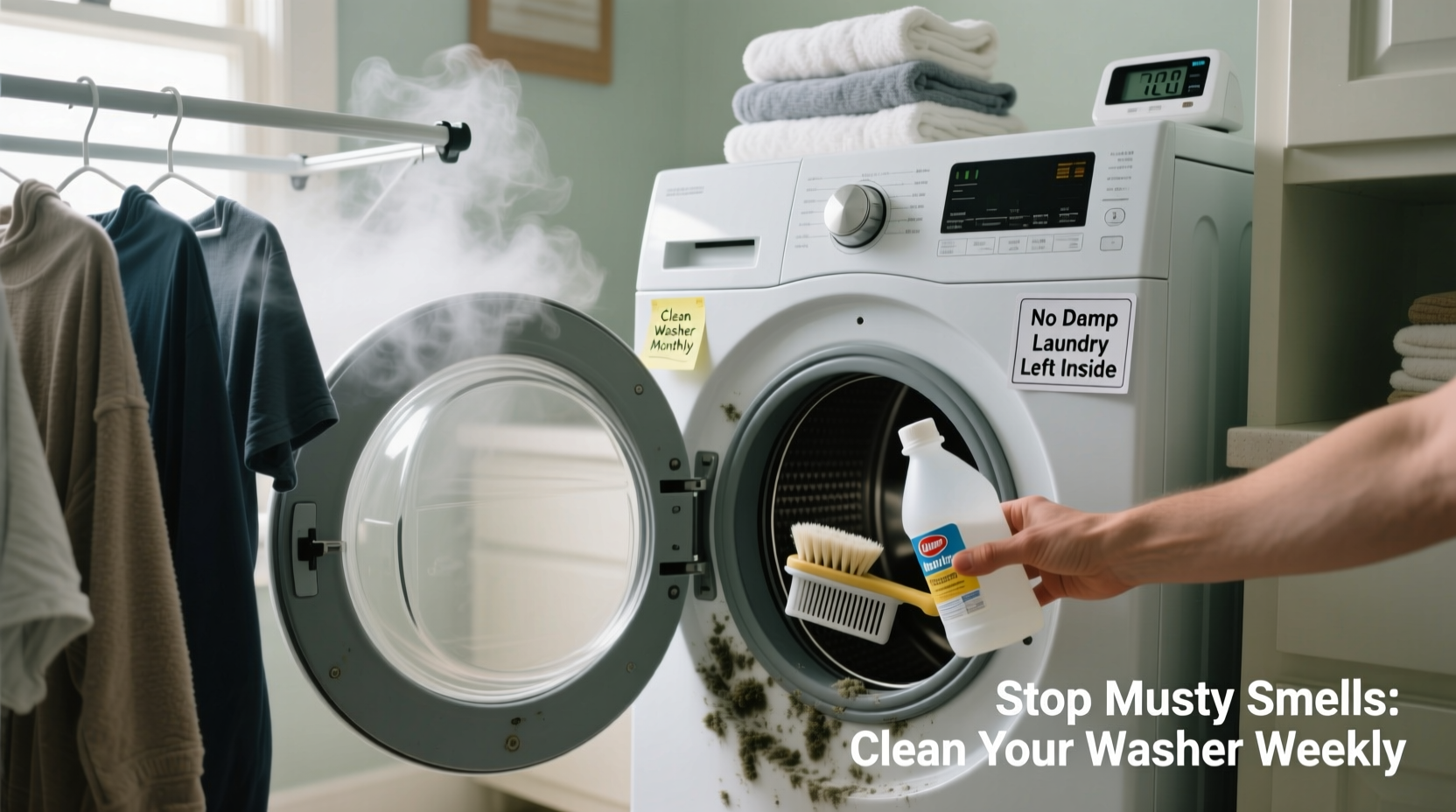
Musty smells in laundry are rarely due to poor detergent use or inadequate washing cycles. Instead, they result from biological activity—mold spores and bacteria multiplying in damp, dark places. These microorganisms feed on organic residues like body oils, sweat, and leftover detergent, producing volatile organic compounds (VOCs) that emit that signature stale odor.
Common sources include:
- Washer gasket and drum buildup: Front-loaders have rubber door seals that trap water and lint, fostering mold colonies.
- Stagnant water in hoses or pumps: Poor drainage leaves moisture behind, encouraging bacterial growth.
- Overloading or under-spinning: Clothes that don’t spin dry enough retain excess moisture, prolonging dampness.
- Poor ventilation in laundry areas: High humidity prevents proper drying and encourages mold in both machines and closets.
- Detergent residue: Excess soap or fabric softener coats fibers and traps moisture, promoting microbial growth.
“Musty odors in laundry are almost always a sign of microbial contamination in the washing system itself. Cleaning the machine is as important as cleaning the clothes.” — Dr. Lena Peterson, Environmental Microbiologist
Step-by-Step Guide to Eliminate Washer Mold
If your clothes consistently smell musty after drying, your washing machine likely harbors mold. Follow this detailed cleaning protocol to restore hygiene and performance.
- Run a hot empty cycle with bleach (for top-loaders): Set the machine to the hottest water setting and longest cycle. Add 1 cup of chlorine bleach. Let it agitate briefly, then pause the cycle and let it soak for 30–60 minutes before completing.
- Use vinegar and baking soda (for front-loaders or bleach-sensitive machines): Pour 2 cups of white vinegar into the detergent drawer and ½ cup of baking soda directly into the drum. Run a hot cycle without clothes.
- Clean the door seal: Wipe down the rubber gasket thoroughly with a cloth soaked in vinegar or a bleach solution. Pay attention to folds and crevices where black mold commonly hides.
- Remove and clean the detergent drawer: Slide out the dispenser tray and scrub it with warm, soapy water. Soak in vinegar if residue persists.
- Check the drain pump filter: Consult your manual to locate the filter. Place a towel underneath, open the panel, and remove any lint, coins, or sludge.
- Wipe down the drum and lid: Use a microfiber cloth and vinegar solution to clean interior surfaces, including the underside of the lid.
- Leave the door and drawer open after use: Allow airflow to dry internal components and prevent moisture accumulation.
Preventing Musty Smells During Drying
Even with a clean washer, improper drying practices can reintroduce musty odors. Whether using a dryer or air-drying, timing and airflow are critical.
For machine drying:
- Avoid overloading the dryer. Crowded clothes can’t tumble freely, leading to uneven drying.
- Clean the lint filter after every load. A clogged filter reduces efficiency and traps moisture.
- Inspect and clean the dryer vent annually. Blockages restrict airflow and create damp pockets.
- Use dryer balls (wool or rubber) to improve air circulation and reduce drying time.
For air-drying:
- Dry clothes in well-ventilated areas, preferably near open windows or fans.
- Avoid drying in basements or bathrooms unless dehumidified.
- Shake out garments before hanging to maximize surface exposure.
- Turn synthetic fabrics inside out to speed up drying and reduce odor retention.
| Drying Method | Best For | Risk of Mustiness | Prevention Tips |
|---|---|---|---|
| Tumble Dryer (vented) | All fabrics, fast drying | Low (if maintained) | Clean lint filter, inspect ducts yearly |
| Condenser Dryer | Apartment living | Moderate | Empty water tank immediately, clean filters weekly |
| Air-Drying Indoors | Delicates, sustainability | High | Use fans, dehumidifiers, avoid overcrowding |
| Outdoor Line Drying | Naturals like cotton, linen | Very Low | Ensure full sun and breeze, bring in before dew |
Real Example: Resolving a Persistent Laundry Odor Issue
Sarah, a homeowner in Portland, Oregon, noticed her family’s clothes increasingly smelled damp despite regular washing. She tried doubling detergent, adding scented boosters, and re-drying loads—but the odor persisted. Frustrated, she inspected her front-loading washer and discovered thick black mold along the door gasket and inside the detergent drawer. After researching, she followed a deep-cleaning routine using vinegar and baking soda, cleaned the filter, and began leaving the door ajar between uses. She also started using high-efficiency (HE) detergent to reduce suds buildup. Within two weeks, the musty smell vanished. Sarah now performs monthly maintenance and reports her laundry smells fresher than ever—even without fabric softener.
This case illustrates how easily mold can go unnoticed until it impacts daily life. Simple awareness and routine care reversed years of gradual contamination.
Do’s and Don’ts of Laundry Hygiene
To maintain fresh-smelling clothes and a healthy washing environment, follow these guidelines:
| Do’s | Don’ts |
|---|---|
| Use high-efficiency (HE) detergent in appropriate amounts | Overuse detergent or fabric softener |
| Leave washer door and detergent drawer open after use | Close the washer tightly after cycles |
| Wash workout clothes immediately after use | Let sweaty clothes sit in hampers for days |
| Run a monthly hot cleaning cycle | Wait until odors appear to clean the machine |
| Store clean clothes in dry, ventilated closets | Keep folded items in plastic bins in damp basements |
Essential Checklist for Musty Smell Prevention
Follow this actionable checklist to keep your laundry fresh and your appliances clean:
- ☐ Clean washer drum and gasket monthly with vinegar or bleach
- ☐ Remove and wash detergent drawer every 3 months
- ☐ Check and clear drain pump filter quarterly
- ☐ Clean lint filter after every dryer use
- ☐ Inspect dryer vent hose annually for blockages
- ☐ Leave washing machine door open between loads
- ☐ Avoid overloading washer or dryer
- ☐ Use HE detergent measured precisely
- ☐ Dry clothes completely before folding or storing
- ☐ Store clean laundry in low-humidity areas
Frequently Asked Questions
Why do my clothes smell musty even after using fabric softener?
Fabric softeners and dryer sheets can actually worsen the problem by coating fibers and trapping moisture and bacteria. The waxy residues create a film that prevents proper drying and becomes a food source for microbes. Switching to vinegar in the rinse cycle or eliminating softeners altogether often resolves lingering odors.
Can I use bleach on all types of washing machines?
Top-loading machines generally tolerate bleach well for periodic cleaning. However, front-loaders may be damaged by frequent bleach use, especially on rubber seals. For these, white vinegar is a safer alternative. Always consult your manufacturer’s manual before using harsh chemicals.
How can I tell if mold is growing inside my washer?
Visible signs include black spots around the door gasket, a persistent damp odor even when empty, or slimy residue in the detergent drawer. If clothes develop a sour smell shortly after washing, it’s a strong indicator of internal contamination. Regular inspection and maintenance are key to early detection.
Conclusion: Take Control of Your Laundry Environment
Musty-smelling clothes are not inevitable—they’re a signal that your laundry system needs attention. By understanding the role of moisture, mold, and machine hygiene, you can eliminate the root causes rather than masking symptoms. Regular maintenance of your washer and dryer, mindful drying practices, and smart storage choices make a dramatic difference. Fresh laundry should smell like cleanliness, not damp basements or forgotten towels. Implement these steps consistently, and you’ll not only protect your clothes but also improve indoor air quality and extend the life of your appliances.




 浙公网安备
33010002000092号
浙公网安备
33010002000092号 浙B2-20120091-4
Comments
No comments yet. Why don't you start the discussion?