
Winter brings cozy nights and frosty mornings—but also a common household nuisance: condensation on windows. While it might seem like a minor inconvenience, persistent window moisture can lead to mold growth, damaged frames, peeling paint, and poor indoor air quality. The good news? With the right strategies, you can significantly reduce or even eliminate condensation. This guide breaks down the science behind the problem and delivers proven, practical solutions that work.
Why Condensation Forms on Windows in Winter
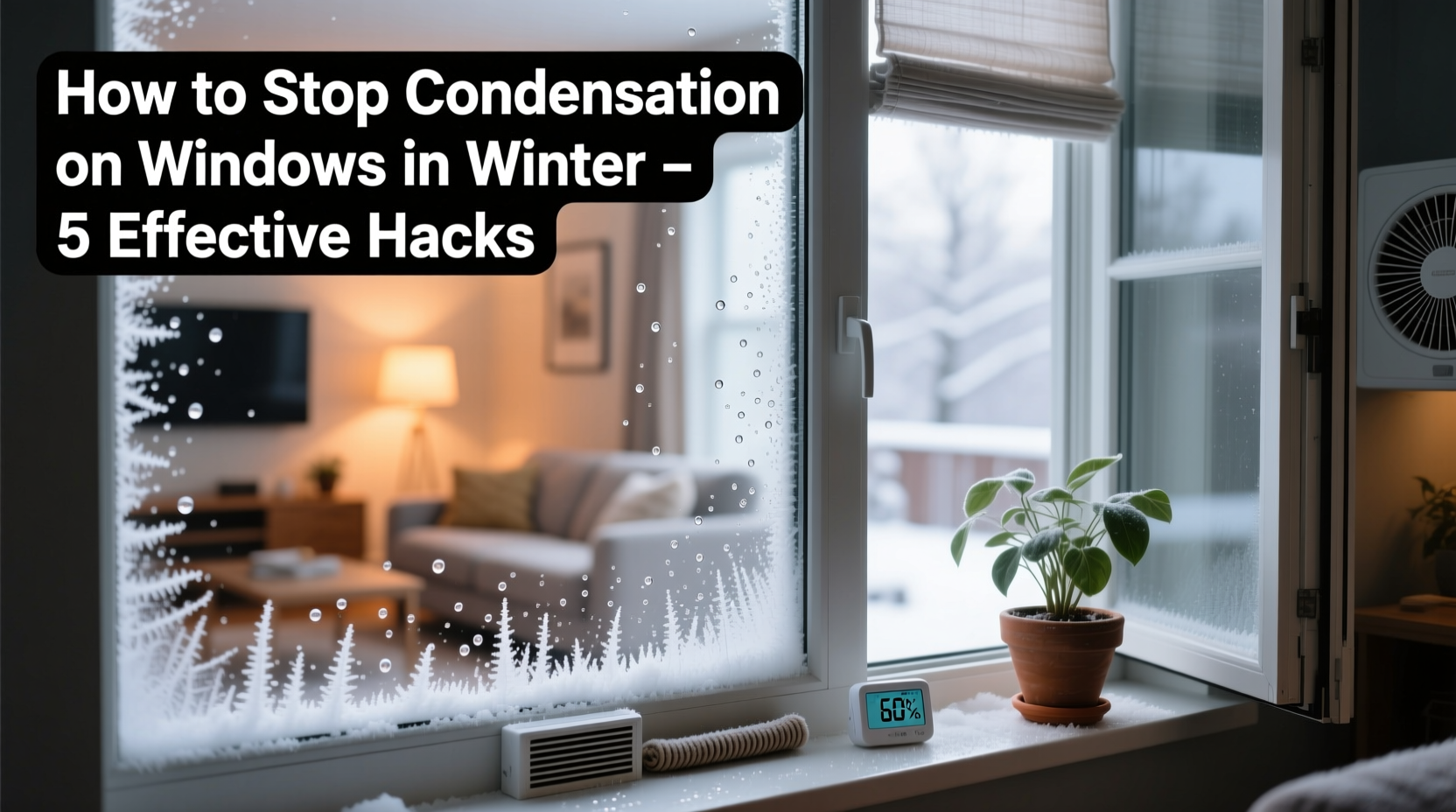
Condensation occurs when warm, moist air inside your home comes into contact with cold surfaces—like window glass. During winter, indoor humidity levels often rise due to activities like cooking, showering, and drying clothes indoors. When this humid air hits the cooler pane of glass, it cools rapidly, and water vapor turns into liquid droplets.
The severity depends on several factors: outdoor temperature, indoor humidity, window insulation quality, and airflow. Single-pane windows are especially prone, but even double-glazed units can fog up if conditions are just right—or wrong.
“Condensation isn’t just about windows—it’s a symptom of excess indoor humidity. Addressing the root cause protects not only your glazing but your entire living environment.” — Dr. Alan Reeves, Indoor Air Quality Specialist, National Home Environment Council
Top 7 Effective Hacks to Stop Window Condensation
1. Control Indoor Humidity Levels
The most impactful step is managing relative humidity (RH) in your home. Ideal indoor humidity during winter should be between 30% and 50%. Above that, condensation risk increases dramatically.
To lower humidity:
- Ventilate while cooking—use range hoods that exhaust outdoors.
- Take shorter, cooler showers and keep bathroom doors closed.
- Avoid air-drying laundry indoors, especially in poorly ventilated rooms.
- Use lids on pots when boiling water to minimize steam release.
2. Improve Air Circulation
Stagnant air allows moisture to pool near cold surfaces. Increasing airflow helps disperse humid air before it settles on windows.
Simple circulation fixes include:
- Running ceiling fans in reverse (clockwise) at low speed to push warm air down from ceilings.
- Opening interior doors to allow cross-flow between rooms.
- Leaving space between furniture and exterior walls to avoid trapping damp air.
In bedrooms, cracked doors overnight can make a noticeable difference by morning.
3. Upgrade or Supplement Window Insulation
Cold glass = condensation magnet. Improving thermal resistance reduces the temperature differential that causes fogging.
Effective insulation upgrades:
- Weatherstripping: Seal gaps around window frames where cold air infiltrates.
- Insulated curtains or cellular shades: Close them at night to create a barrier between warm air and cold glass.
- Window insulation film: Apply shrink-film kits (like those from 3M) to create an extra air gap, boosting R-value without replacing windows.
4. Use a Dehumidifier Strategically
Dehumidifiers actively remove moisture from the air. For homes with chronic condensation, investing in one (or more) can be transformative.
Choose based on room size:
| Room Size | Recommended Dehumidifier Capacity |
|---|---|
| Small (up to 300 sq ft) | 20–30 pint/day |
| Medium (300–600 sq ft) | 30–50 pint/day |
| Large or multi-room use | 50+ pint/day with continuous drain option |
Place units in high-moisture areas—basements, bathrooms, and bedrooms. Run them on a schedule or humidity-sensing mode to maintain ideal RH without over-drying.
5. Vent Appliances to the Outside
Many homeowners unknowingly add gallons of water vapor to their indoor air daily through unvented appliances.
Ensure these are properly vented outdoors:
- Bathroom exhaust fans (run for 20–30 minutes post-shower)
- Kitchen range hoods
- Dryers (check for kinks or blockages in ducts)
- Fuel-burning heaters or furnaces
If your bathroom fan doesn’t have an external vent, consider upgrading. A study by the Building Science Institute found that homes with externally vented fans had 40% less window condensation than those relying on recirculating models.
6. Absorb Moisture Passively
When mechanical solutions aren't feasible, passive absorption helps. These methods won’t replace dehumidifiers but offer supplementary relief.
Try placing moisture-absorbing products near problem windows:
- Silica gel packs (reusable and inexpensive)
- Calcium chloride-based products (e.g., DampRid)
- Bamboo charcoal bags (natural and odor-absorbing)
While not a standalone fix, combining passive absorbers with other tactics enhances overall effectiveness.
7. Consider Window Replacement (Long-Term Fix)
If you're dealing with old, single-pane windows, no amount of short-term hack will fully solve the issue. Modern double- or triple-glazed windows with low-emissivity (Low-E) coatings and argon gas fills dramatically reduce surface temperature differences.
Look for ENERGY STAR-rated windows with a U-factor below 0.30 for cold climates. Though the upfront cost ranges from $400–$1,000 per window, long-term benefits include energy savings, noise reduction, and elimination of condensation.
“We replaced our 1970s aluminum-framed windows with modern double-glazed units last winter. The first morning after installation, I woke up expecting the usual fog—and saw nothing. Crystal clear glass. It changed how we experience winter at home.” — Linda M., homeowner in Vermont
Step-by-Step Plan to Eliminate Condensation This Winter
Follow this timeline to systematically address condensation before it becomes problematic:
- Week 1: Assess & Monitor
Buy a hygrometer. Measure humidity in key rooms (bedrooms, bathrooms, kitchen). Note which windows fog most. - Week 2: Seal & Vent
Install weatherstripping on drafty windows. Test and clean exhaust fans. Ensure dryer vent is unobstructed. - Week 3: Install Insulation
Apply window film to north- and east-facing panes. Hang insulated curtains. - Week 4: Introduce Mechanical Help
Purchase a dehumidifier for the most affected area. Set to maintain 40% RH. - Ongoing: Maintain Habits
Keep bathroom doors closed during showers. Use lids on pots. Run ceiling fans in reverse.
Common Mistakes That Make Condensation Worse
Avoid these pitfalls that sabotage your efforts:
| Mistake | Why It’s Harmful | What to Do Instead |
|---|---|---|
| Blocking vents or radiators with furniture | Reduces warm air circulation near windows, increasing condensation risk | Leave at least 6 inches of clearance around heating sources |
| Using humidifiers in winter | Adds unnecessary moisture when air is already struggling to stay dry | Only use if RH is below 30% and symptoms of dryness appear |
| Ignoring small leaks or drafts | Allows cold air infiltration, chilling window surfaces further | Inspect seals annually and re-caulk as needed |
| Keeping blinds or curtains shut all day | Traps moisture against glass overnight | Open them during daylight hours to allow warming and airflow |
Real Example: Solving Bedroom Window Fog in a Historic Home
The Thompson family lived in a 100-year-old brick house in Ohio. Every winter, their bedroom windows dripped with condensation, leading to mildew on the sills and warped wood trim. They tried wiping the glass daily, but the problem persisted.
After consulting a home energy auditor, they discovered their indoor humidity was 68%—well above the safe winter threshold. Their bathroom fan vented into the attic, not outside, and they dried towels on a rack in the bedroom nightly.
Their solution plan:
- Redirected bathroom exhaust to exterior
- Installed a quiet 50-pint dehumidifier in the hallway
- Replaced heavy velvet curtains with thermal-lined ones
- Stopped indoor drying and used the basement utility sink instead
Within two weeks, window condensation dropped by 80%. By mid-winter, only trace moisture appeared during extreme cold snaps. The change improved sleep quality and eliminated musty odors.
FAQ: Your Condensation Questions Answered
Is condensation on windows dangerous?
Occasional condensation is normal. But persistent pooling indicates high indoor humidity, which can promote mold growth, damage window frames, and contribute to respiratory issues. Chronic condensation should be addressed promptly.
Why do only some windows fog up?
Windows on exterior walls, corners of the house, or those facing north typically get colder. Older windows or those with metal frames also conduct cold more efficiently. Differences in room usage (e.g., a frequently used bathroom nearby) can also explain localized fogging.
Can I prevent condensation without spending money?
Yes. Simple behavioral changes—like cracking windows briefly to ventilate, avoiding indoor drying, using lids when cooking, and running existing fans longer—can reduce moisture significantly at no cost.
Final Checklist: Your Anti-Condensation Action Plan
✅ Condensation Prevention Checklist
- Measure indoor humidity with a hygrometer
- Ensure all exhaust fans vent outside
- Seal air leaks around windows and doors
- Use window insulation film on cold-facing panes
- Install or run a dehumidifier in problem areas
- Open curtains during the day for solar gain
- Avoid air-drying clothes indoors
- Run ceiling fans in reverse mode
- Inspect and clean dryer vents annually
- Consider upgrading to energy-efficient windows if problems persist
Take Control of Your Winter Comfort Today
Condensation on windows isn’t just an eyesore—it’s a signal from your home. Ignoring it risks structural damage and health concerns. But with informed, consistent action, you can transform foggy mornings into clear views of snowy landscapes.
The best solutions combine awareness, behavior, and smart upgrades. Start small: measure your humidity, vent your bathroom, and crack a door. Then build from there. Every step reduces moisture, improves comfort, and protects your investment.




 浙公网安备
33010002000092号
浙公网安备
33010002000092号 浙B2-20120091-4
Comments
No comments yet. Why don't you start the discussion?